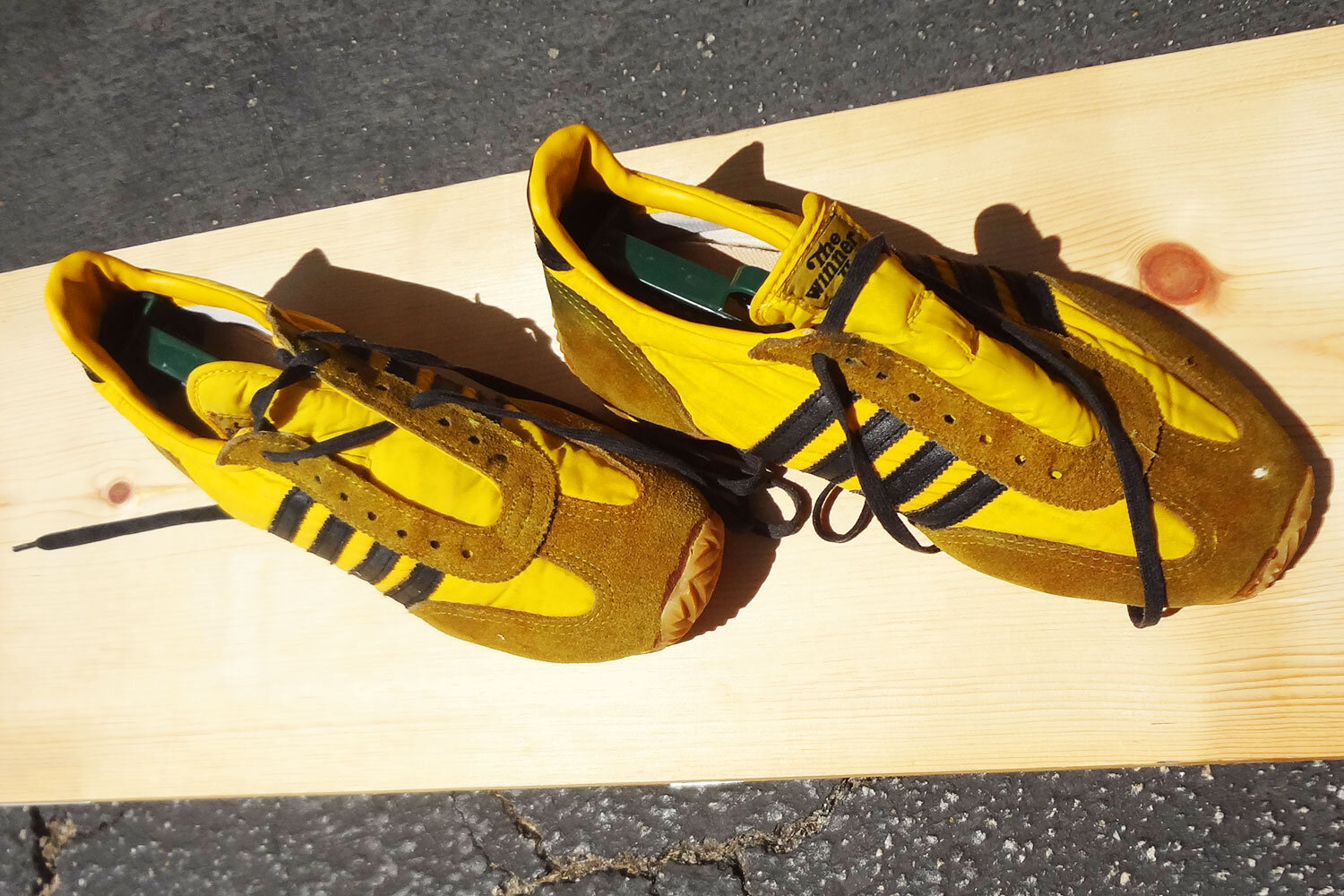
You’ve probably heard this one before: a scrappy upstart running shoe brand from Oregon rises out of the track culture at the University of Oregon, fueled by a new kind of running shoe design and a close connection to athletes at Hayward Field. Most people would assume that story belongs to the now-global giant based in Beaverton. But that’s not the tale we’re telling here. This is the story of Osaga, a homegrown Eugene rival that carved out its own place in running history backed by bold innovation, deep community roots, and a vision to make TrackTown USA the true capital of the sport.
Chapter 1: Building a Brand in TrackTown USA
In the 1970s, around 1974, Osaga emerged in Eugene, Oregon right in the heart of TrackTown USA, in the shadow of Hayward Field. Founded by Bill Combs, a visionary entrepreneur with a deep commitment to the running community, the company was fueled by a mission to serve athletes with products tailored to the needs of competitive runners. Combs made his ambition clear: “As I see it, to really make the city more the track capital of the USA. We have the fans, the facility, and a super track. This is just the icing on the cake.” For him, Osaga was not just about sneakers, it was about strengthening Eugene’s identity as the hub of American running. Bill Combs, was also a local shoe retailer in Eugene whose store, Burch’s Fine Shoes, remains in operation today.
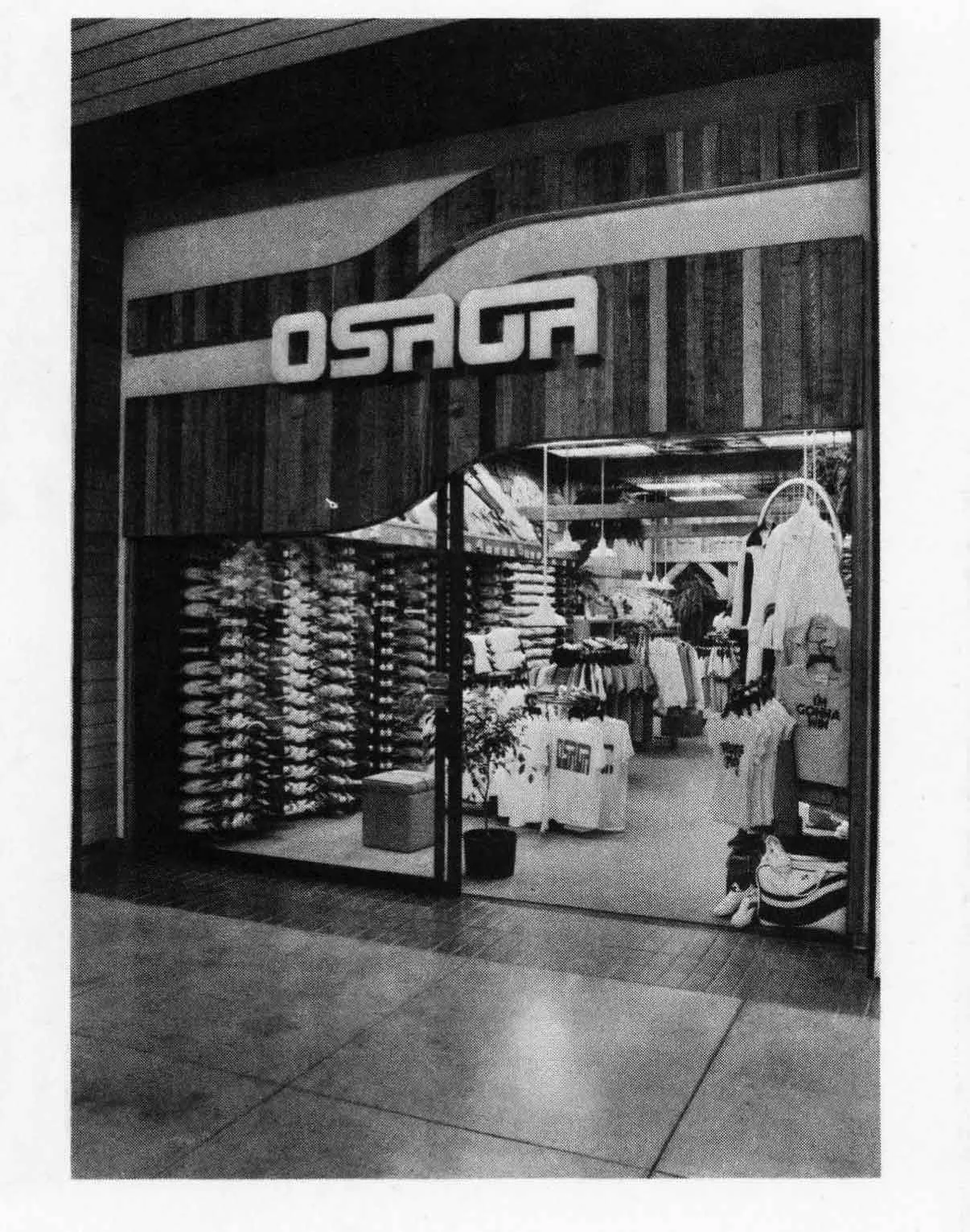
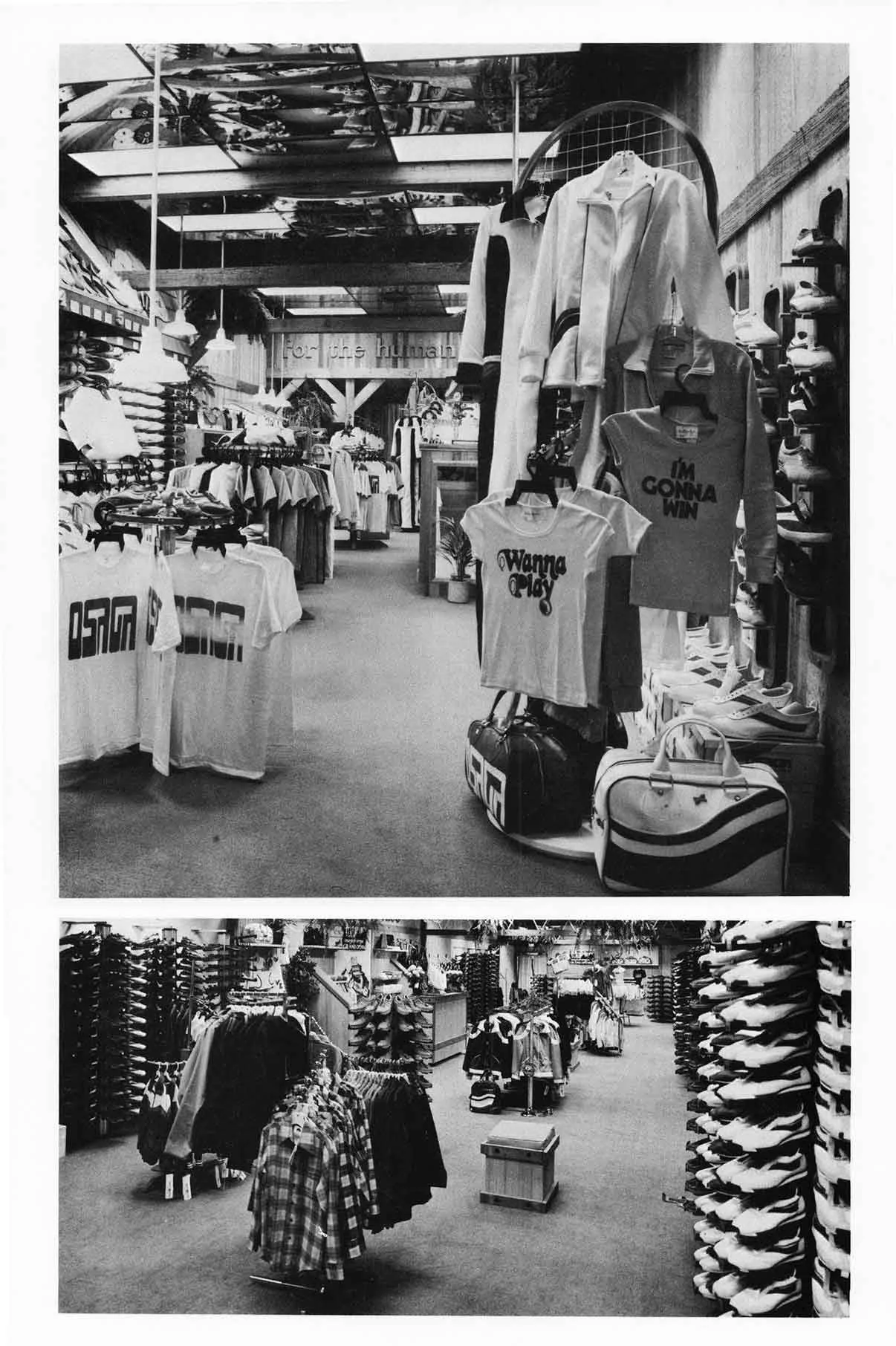
Osaga’s leadership, including president Norman Moenkhaus, worked closely with the University of Oregon to refine athlete-first innovations. As Moenkhaus explained, “We work closely with a number of people at the university. Our business is so closely related to the athletic department, we have counseled a number of their people in developing our product. We felt an obvious way of furthering our work with the university was to help them in this project.”
That collaboration extended beyond footwear into infrastructure that served the entire running community. In 1978, Osaga donated a cutting-edge $80,000 electronic scoreboard to Hayward Field. At the time, it was the most advanced track and field scoreboard in the nation capable of displaying athlete names, times, distances, heights, lane assignments, and full meet results. For Combs, the gift was about legacy as much as technology: “I believe the scoreboard will become an institution to the university, athletes who compete at the local, national and international level at Hayward Field and to the super-fans of Track City, USA.”
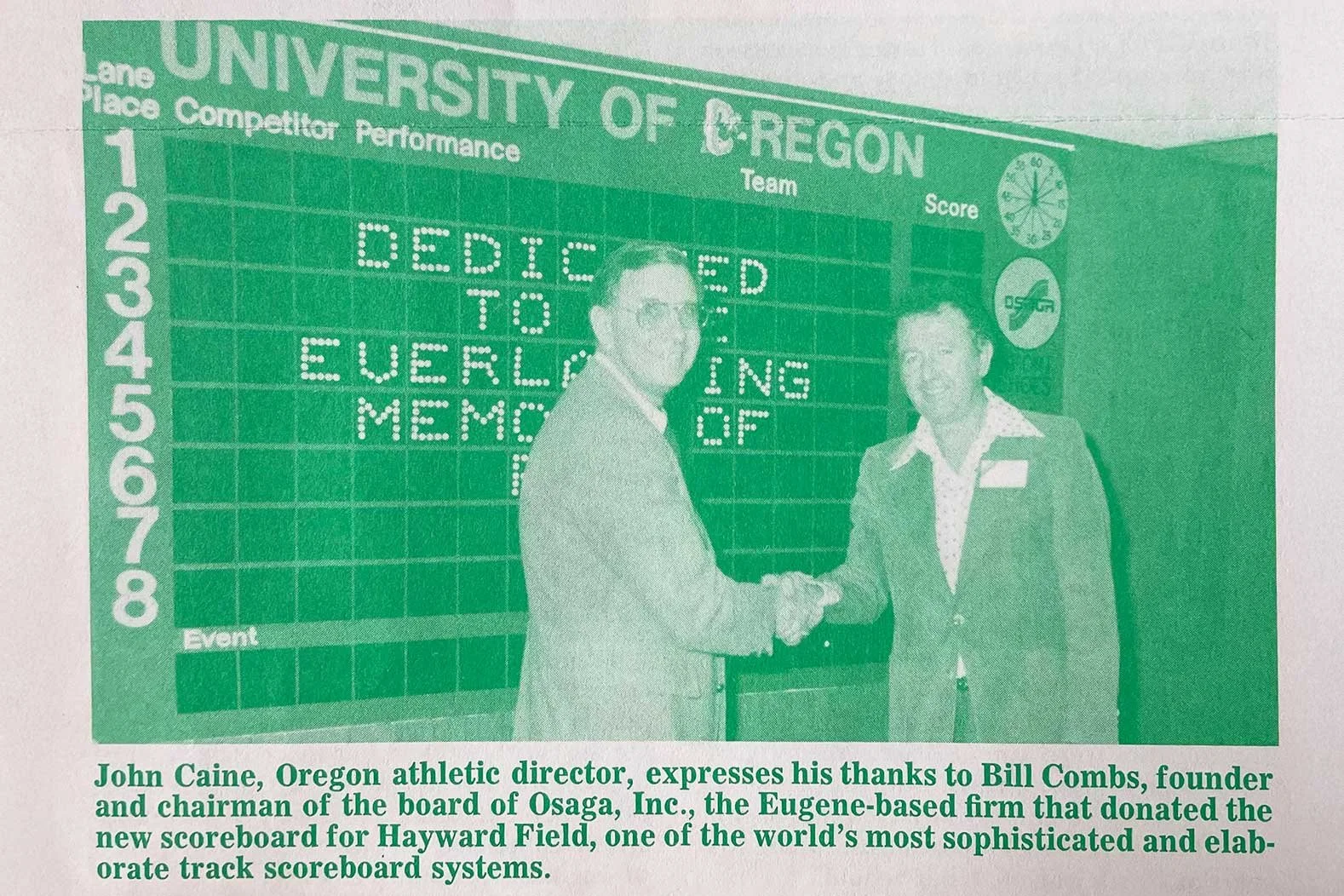
John Caine, Oregon athletic director, expresses his thanks to Bill Combs, founder and chairman of the board of Osaga, Inc., the Eugene-based firm that donated the new scoreboard for Hayward Field, one of the world's most sophisticated and elaborate track scoreboard systems.
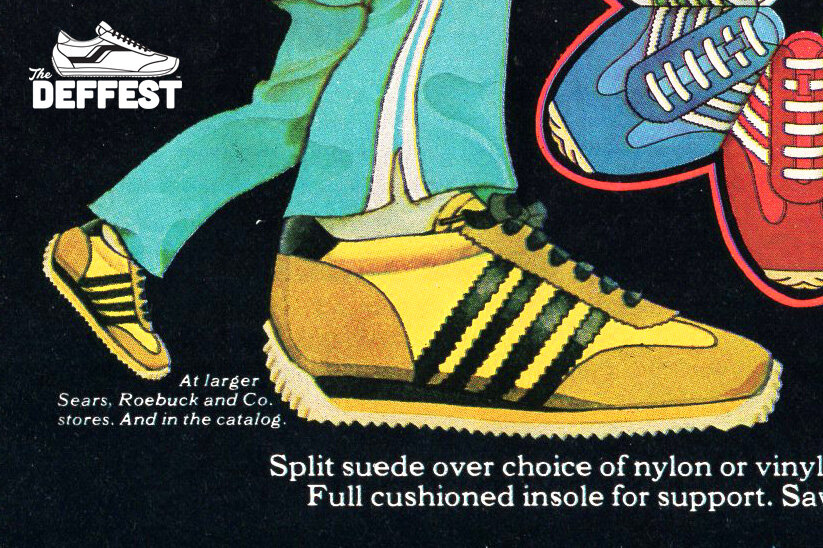
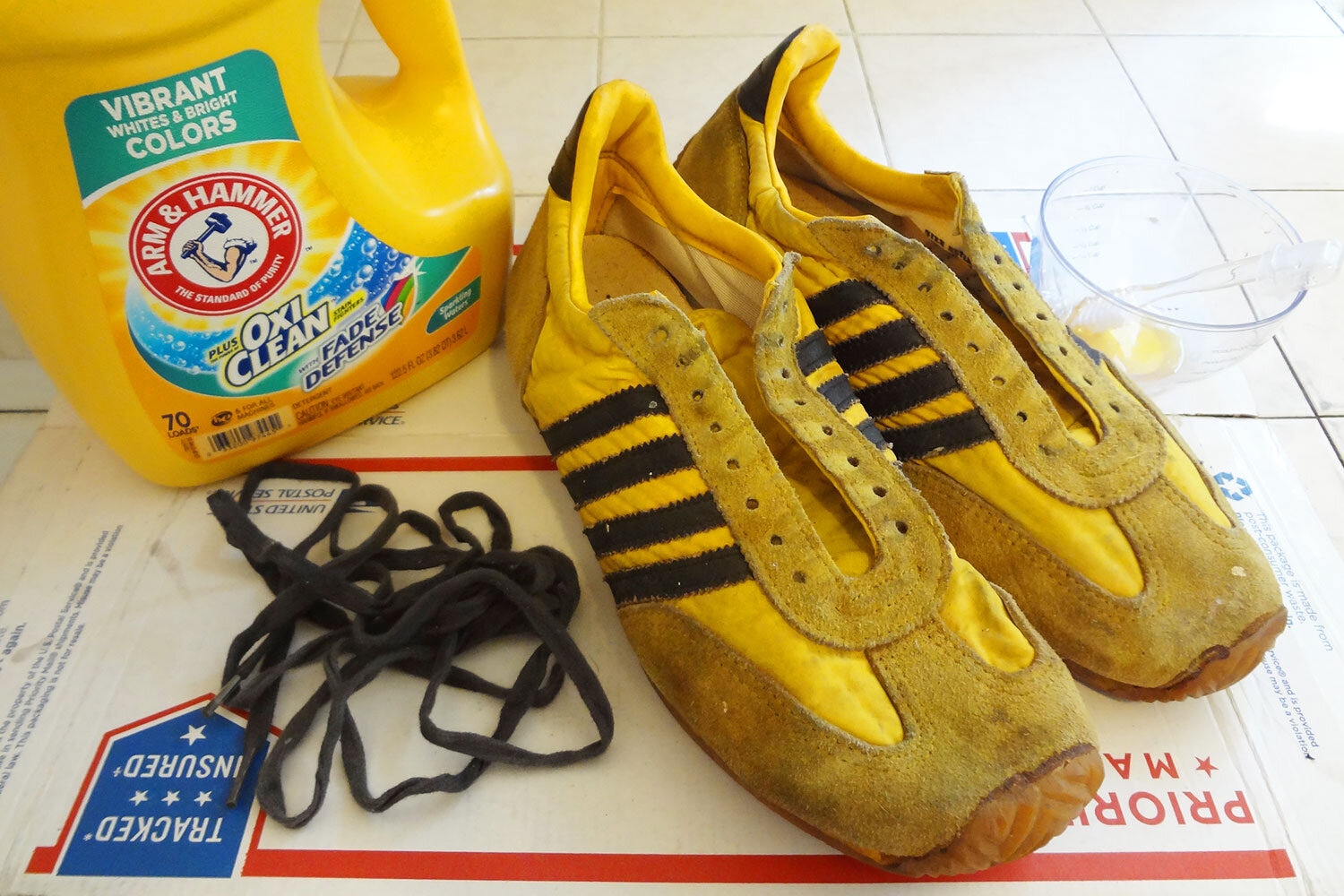
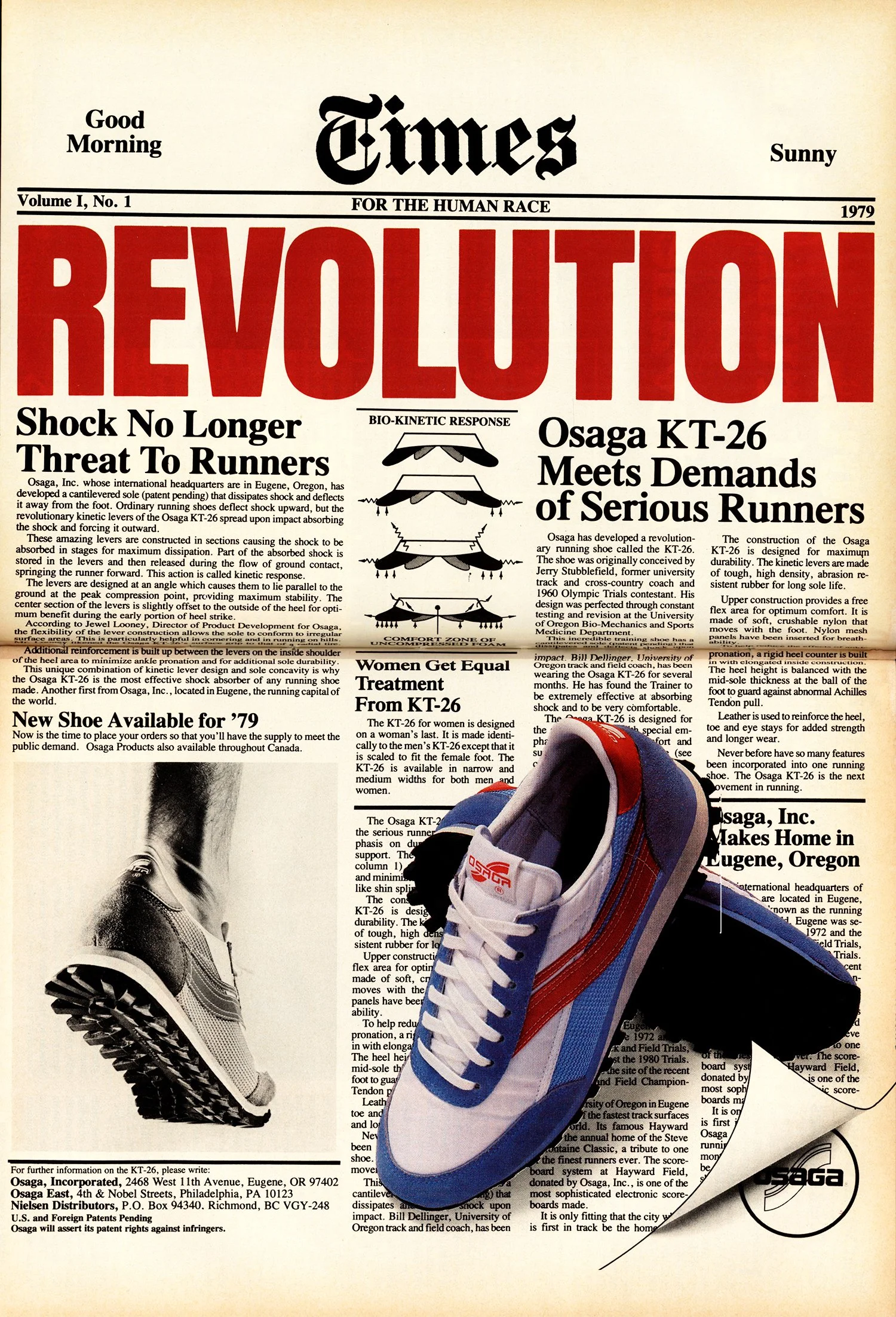
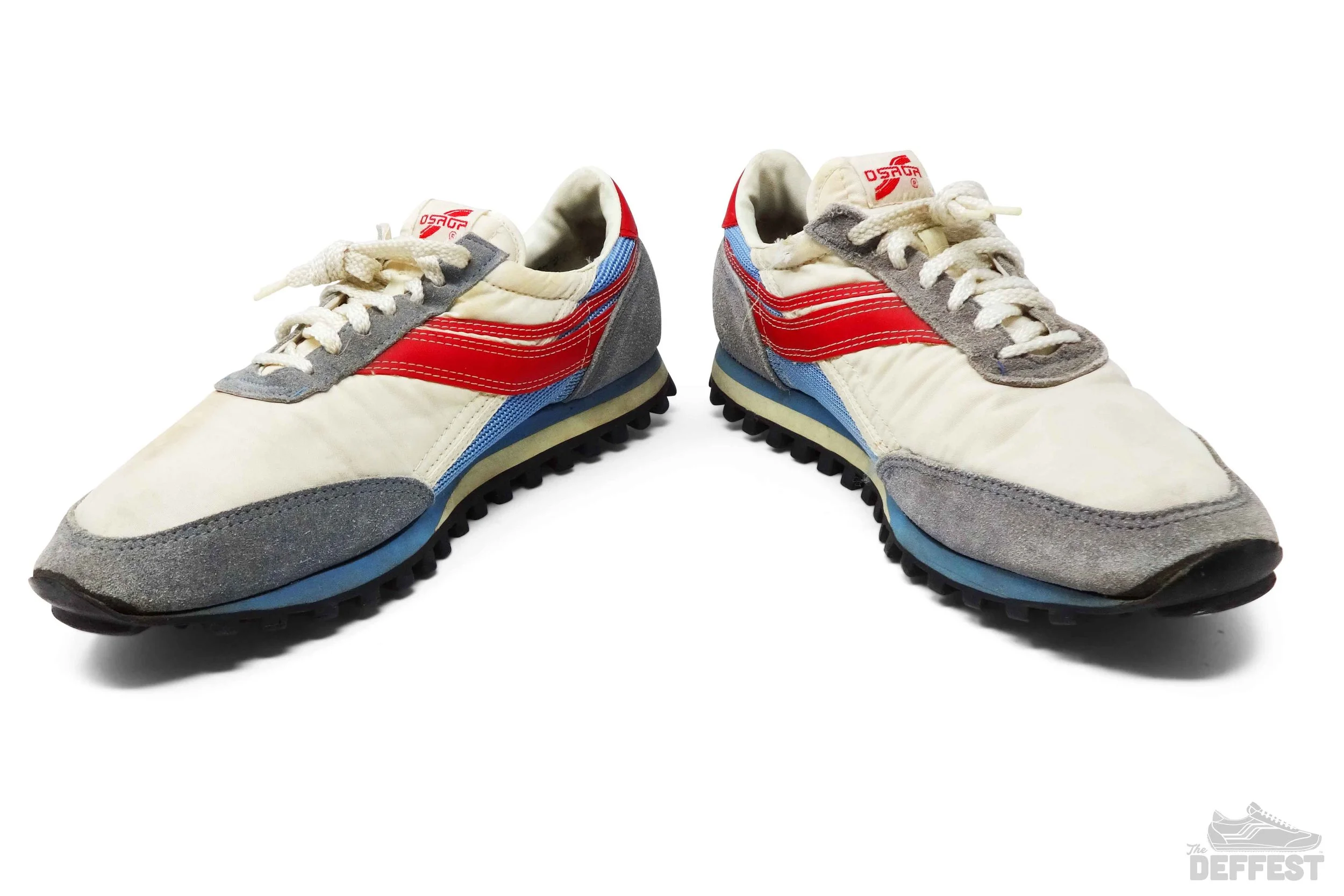
Alongside their community contributions, Osaga pressed forward with product innovation. Their flagship model, the KT-26, was built around the experimental “Cantilever Principle”, a design that improved shock absorption and stability while giving runners greater control. Marketed as the serious runner’s shoe, it was a bold attempt to blend biomechanical research with state-of-the-art construction.
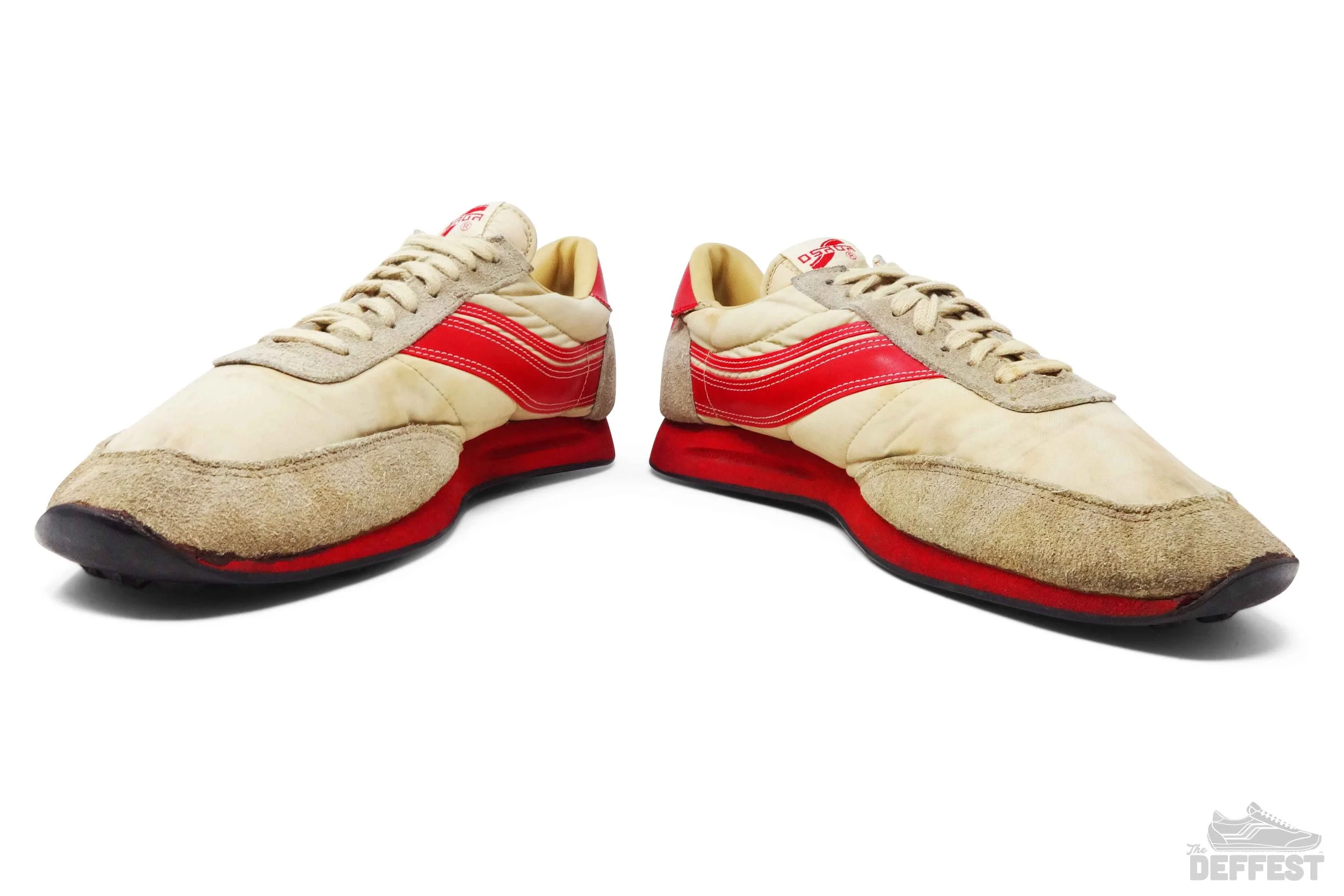
As Moenkhaus described, “Both Osaga and the program at the University of Oregon Athletic Department have grown in response to the interest in physical fitness and sports shown by the people of Eugene. We’re pleased that Osaga is able to help further the University’s standing as one of the nation’s leaders in track and field.”
Grounded in community ties, experimental engineering, and an unwavering commitment to the running culture of Eugene, Osaga exemplified the spirit of a scrappy upstart.
Chapter 2: From Shuttered Brand to Cult Classic
By the early 1980s, Osaga’s momentum caught the attention of international players, and the brand was eventually sold to Mitsubishi International Corporation. After the sale and over time the Osaga brand's visibility was reduced and by the mid-to-late ’90s, the Osaga name had vanished and was shuttered in the face of overwhelming competition and shifting market dynamics. What might have been just another forgotten footwear story instead took a surprising turn.
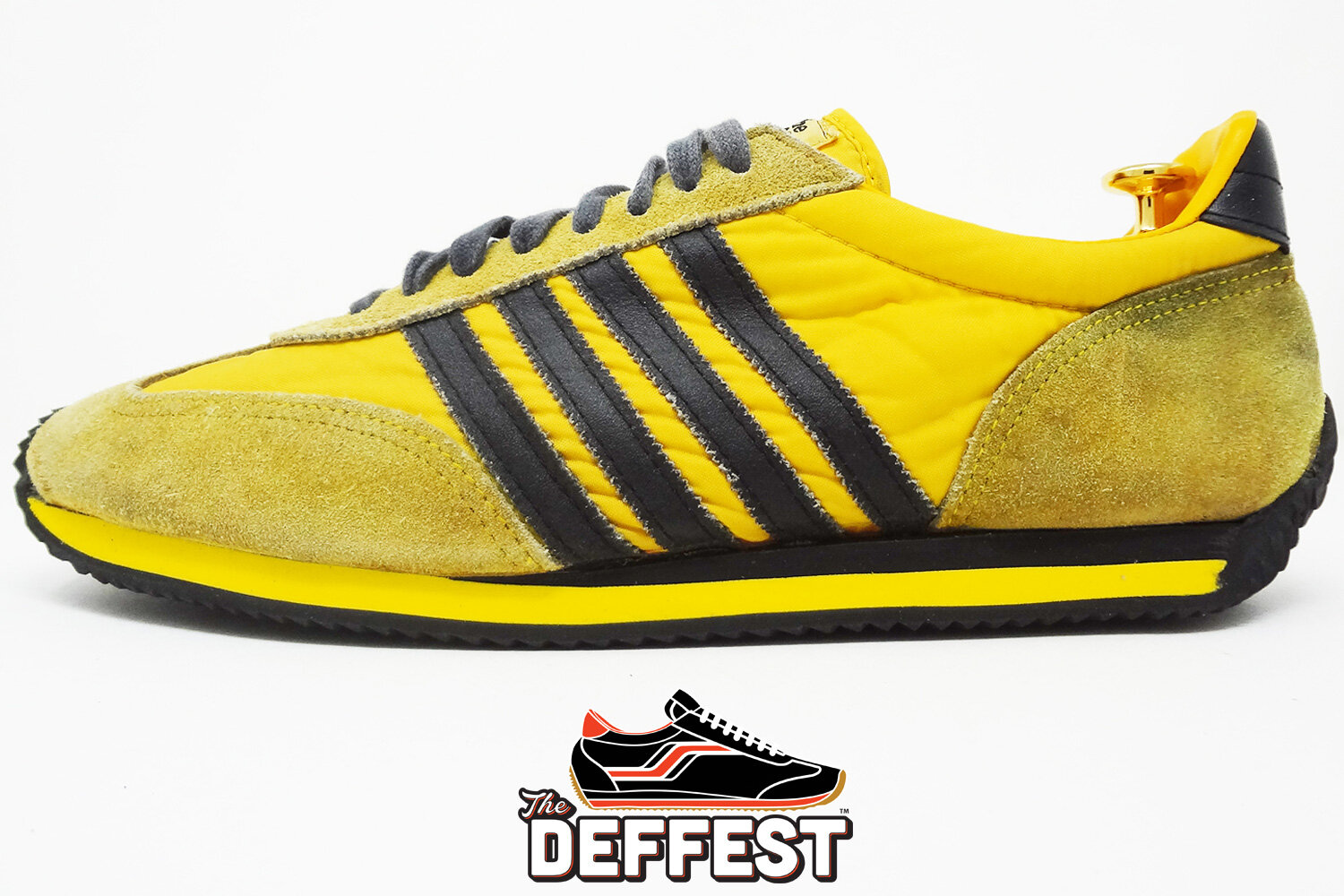
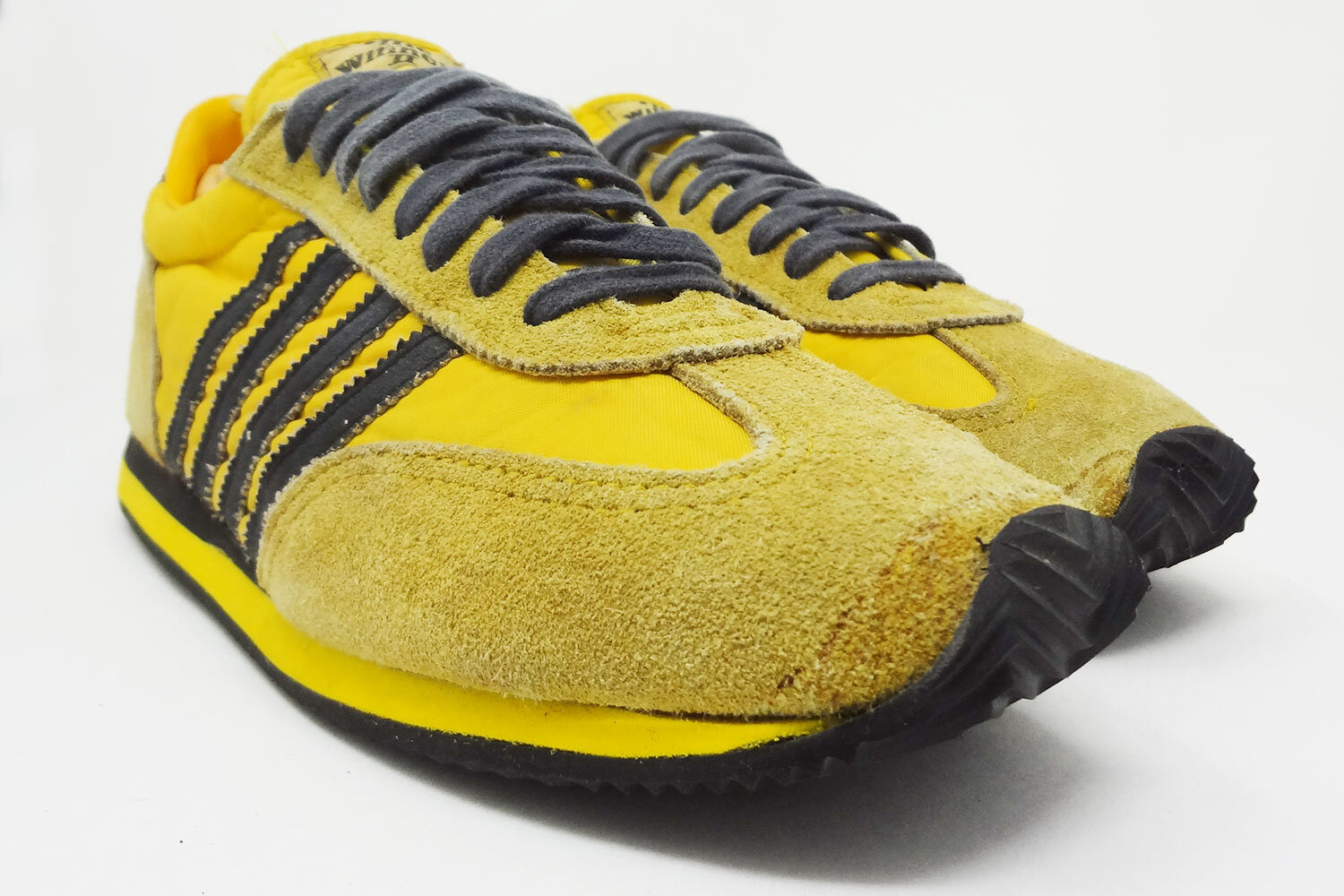
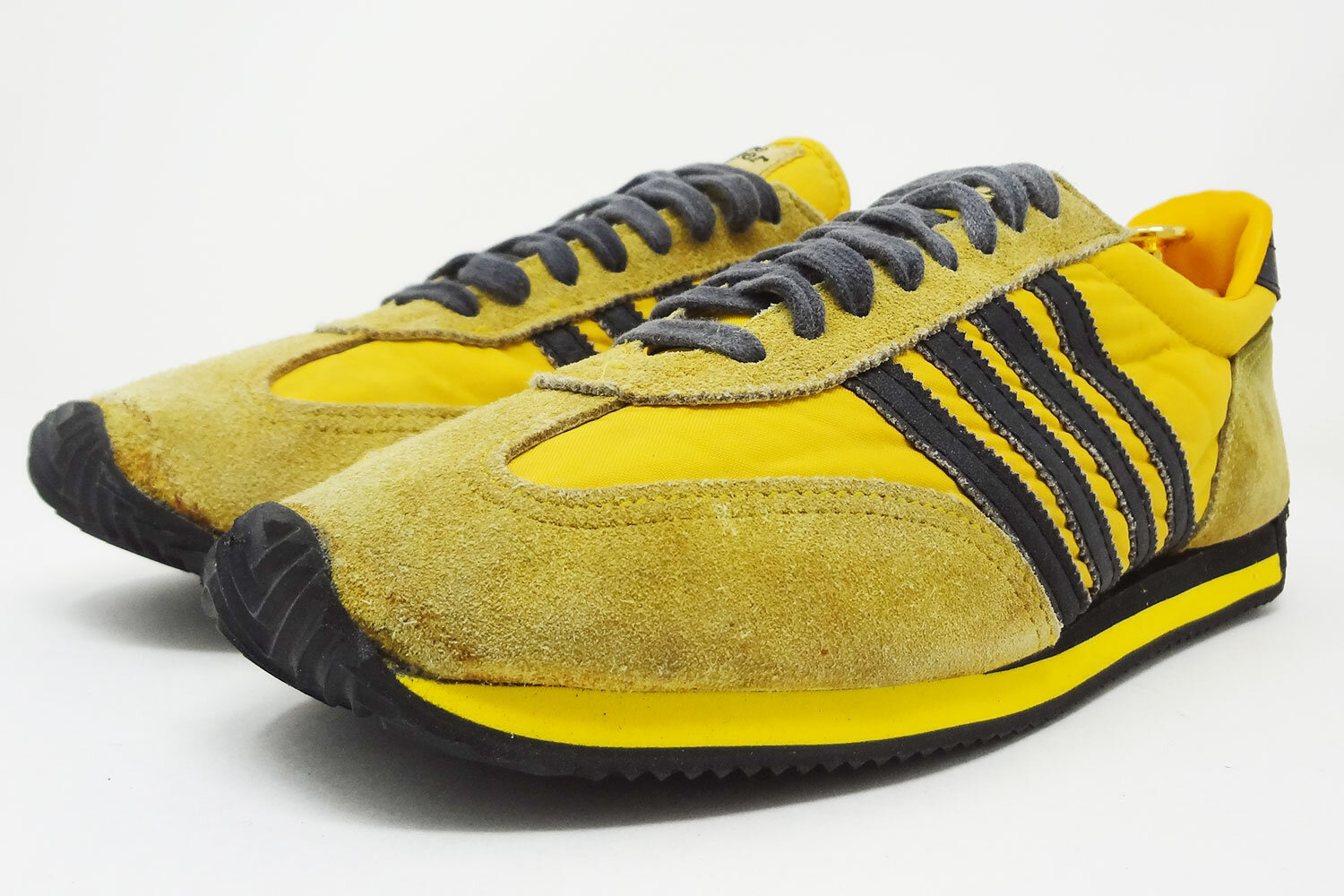
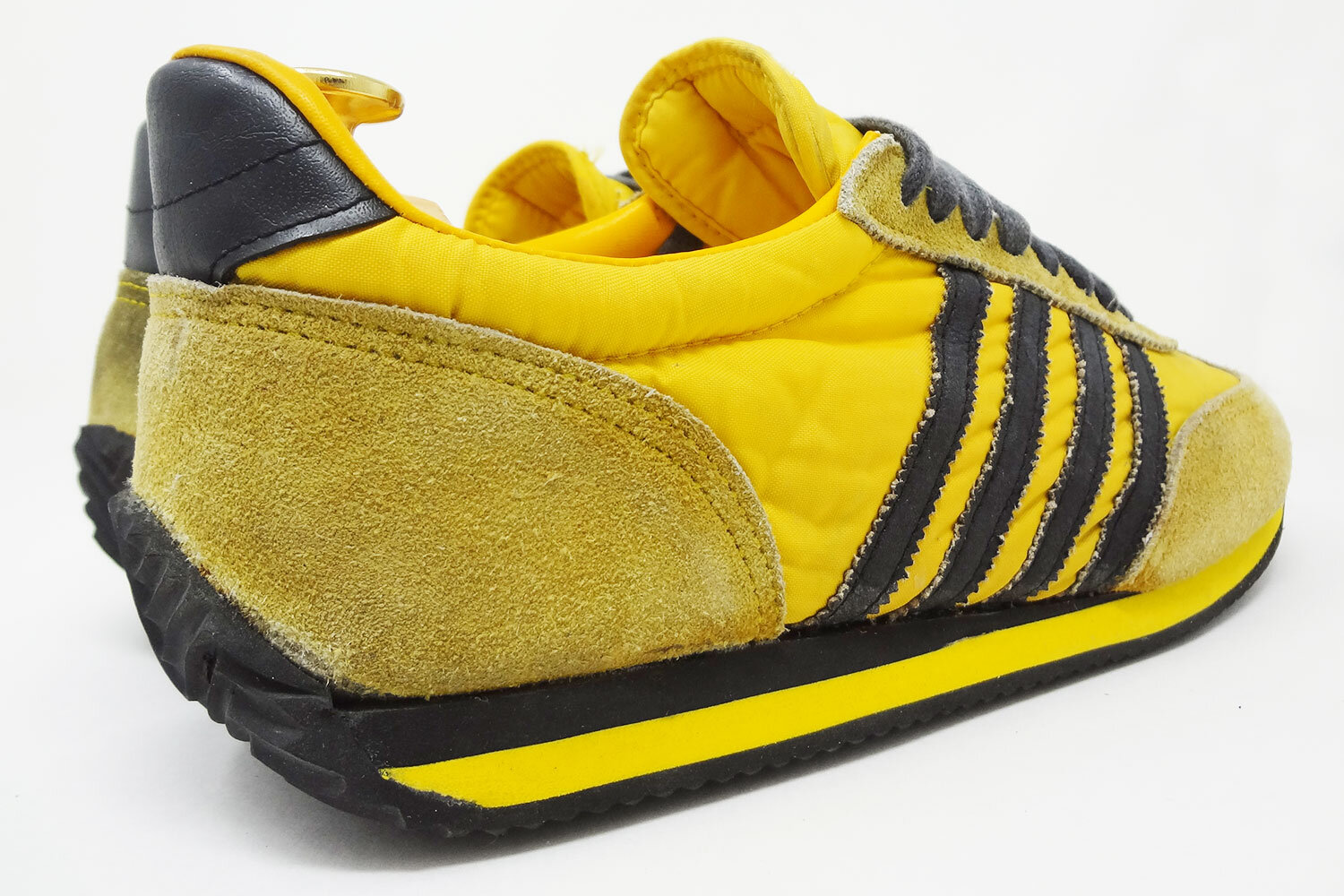
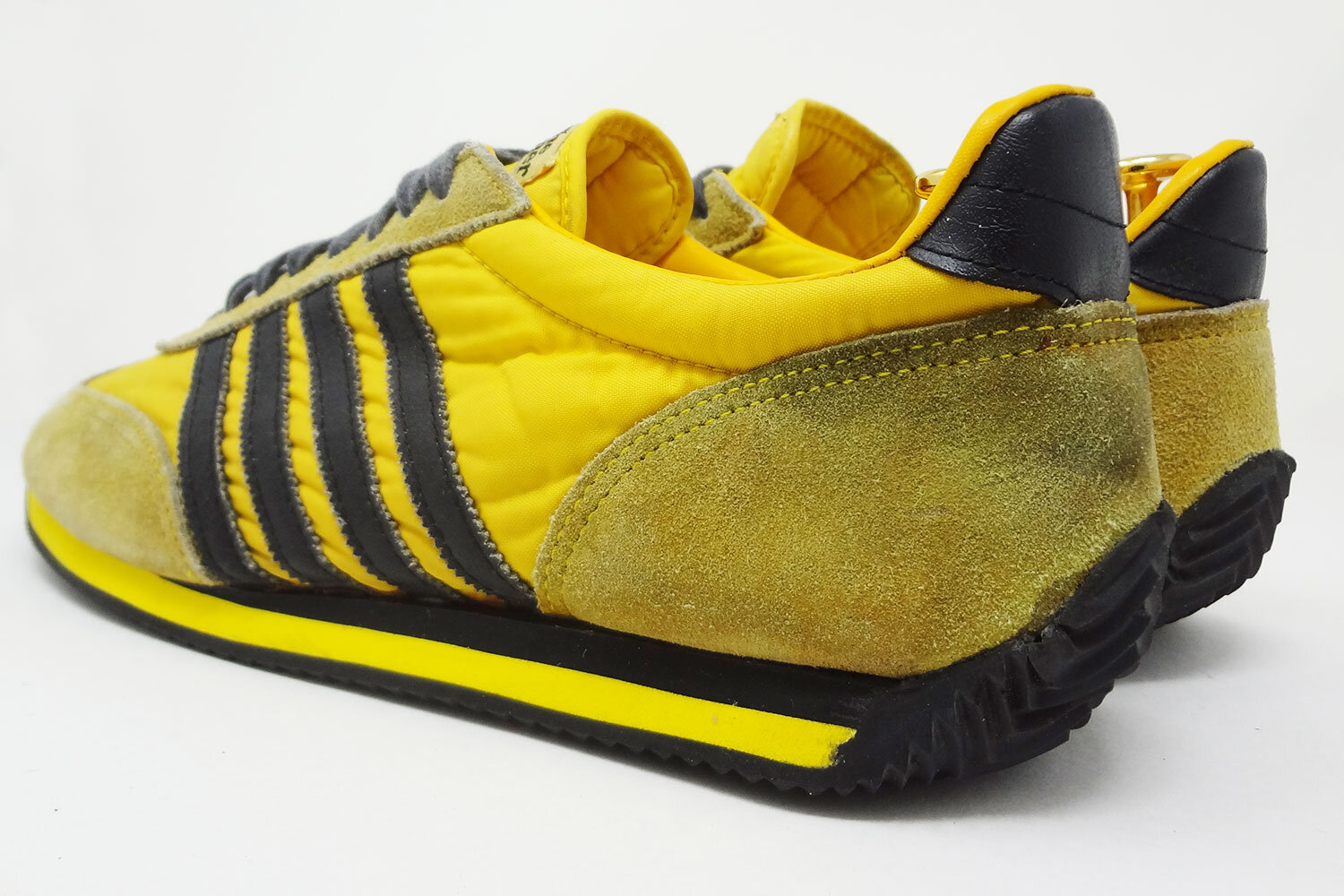
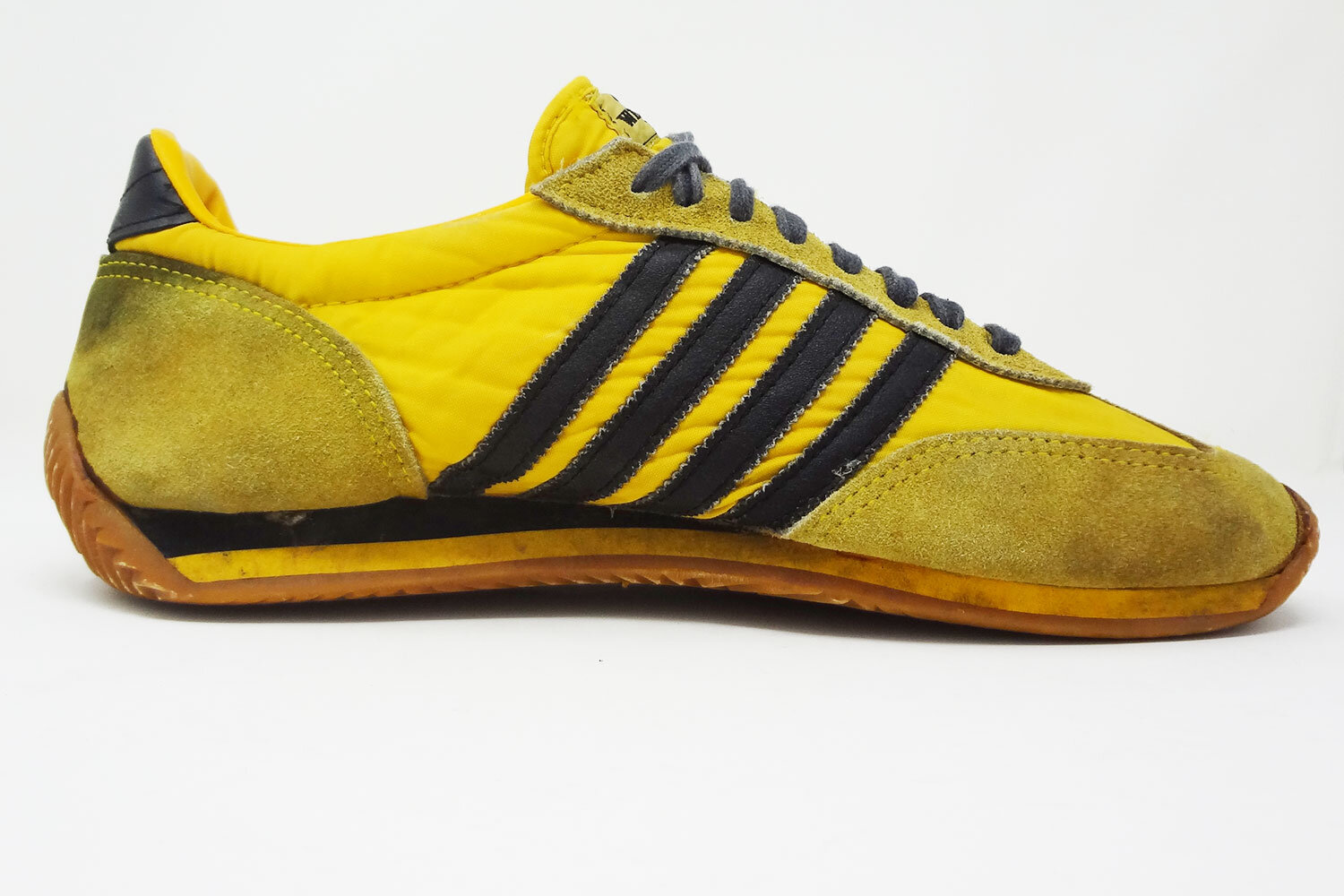
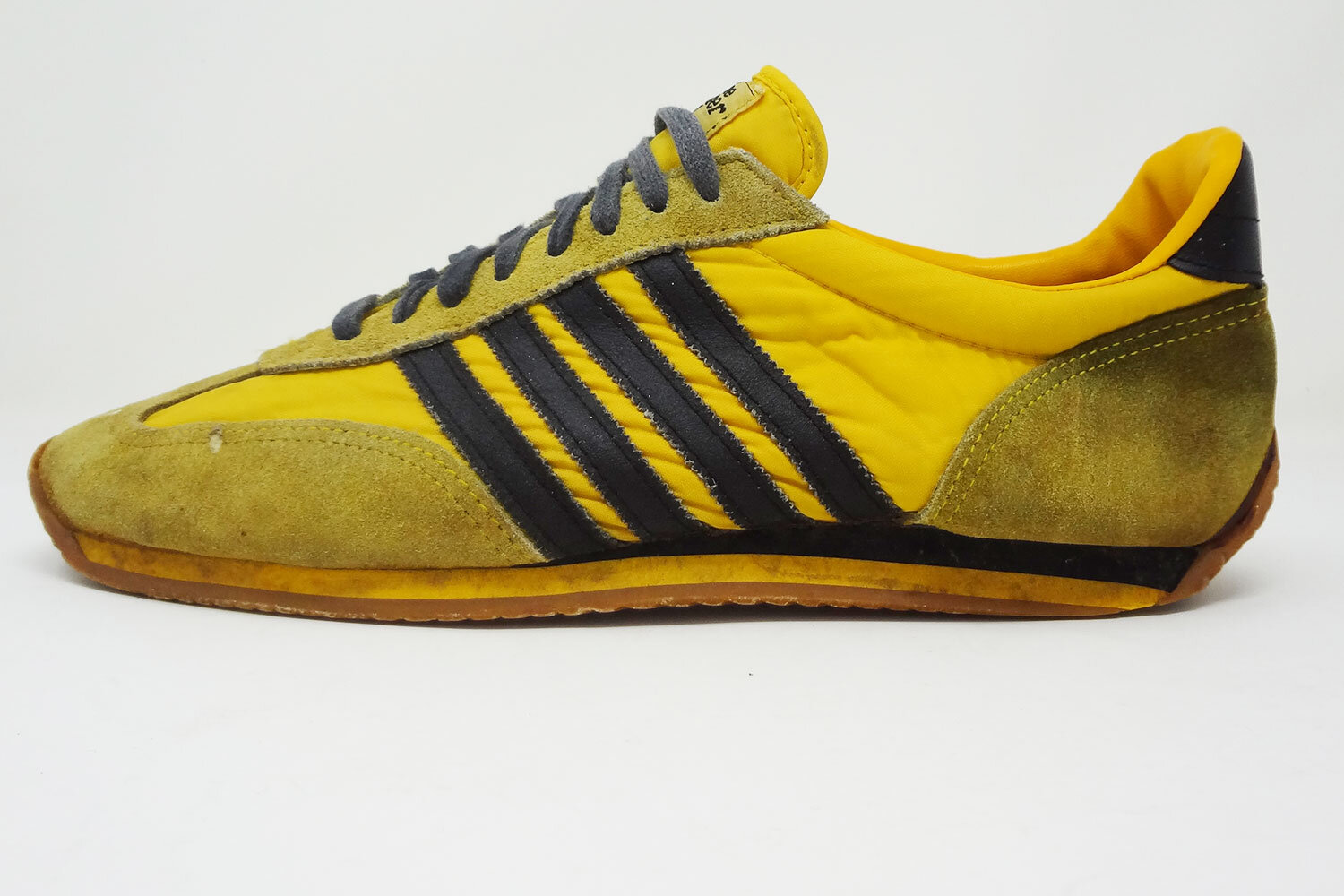
In the years that followed Osaga emerged from the ashes as a cult classic in the vintage sneaker world. Many of the remaining pairs, with their unique silhouettes and bold design language, found a second life in the American secondhand market and in Japan, where vintage sneaker collectors developed an intense appreciation for the forgotten American sneaker brand. Long after it’s closure the Osaga brand began picking up steam again. What may not have been fully understood or embraced in Osaga’s own time became celebrated decades later as rare, ahead-of-their-time artifacts of design.
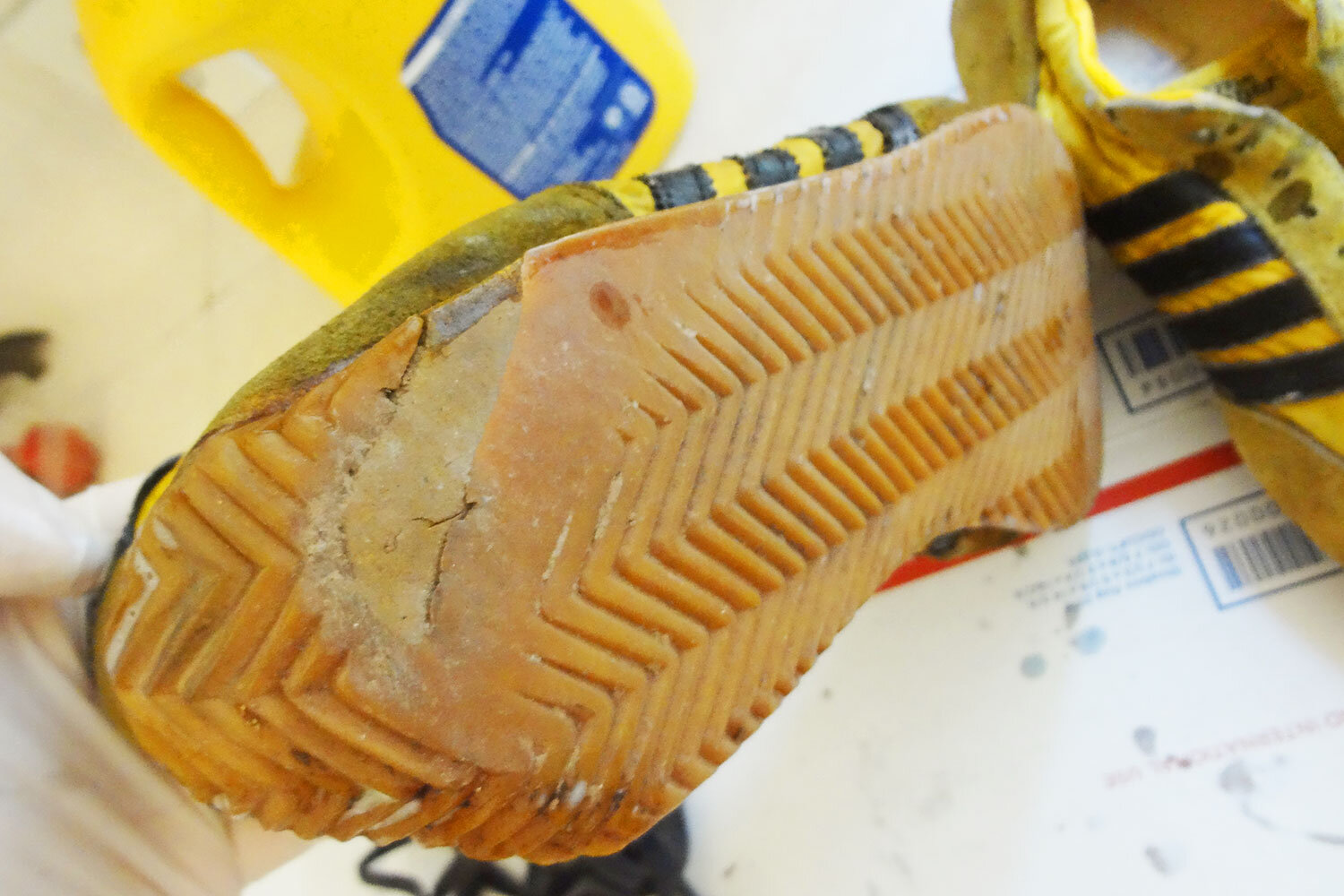
In resale shops and on Japanese collector sites, Osaga sneakers became sought after grails that could command staggering prices from $400 to $1,200 depending on condition and rarity. The KT-26, Moscow 80, and other once-forgotten models now stood alongside vintage Nike, Onitsuka Tiger, and Adidas pairs in curated collections.
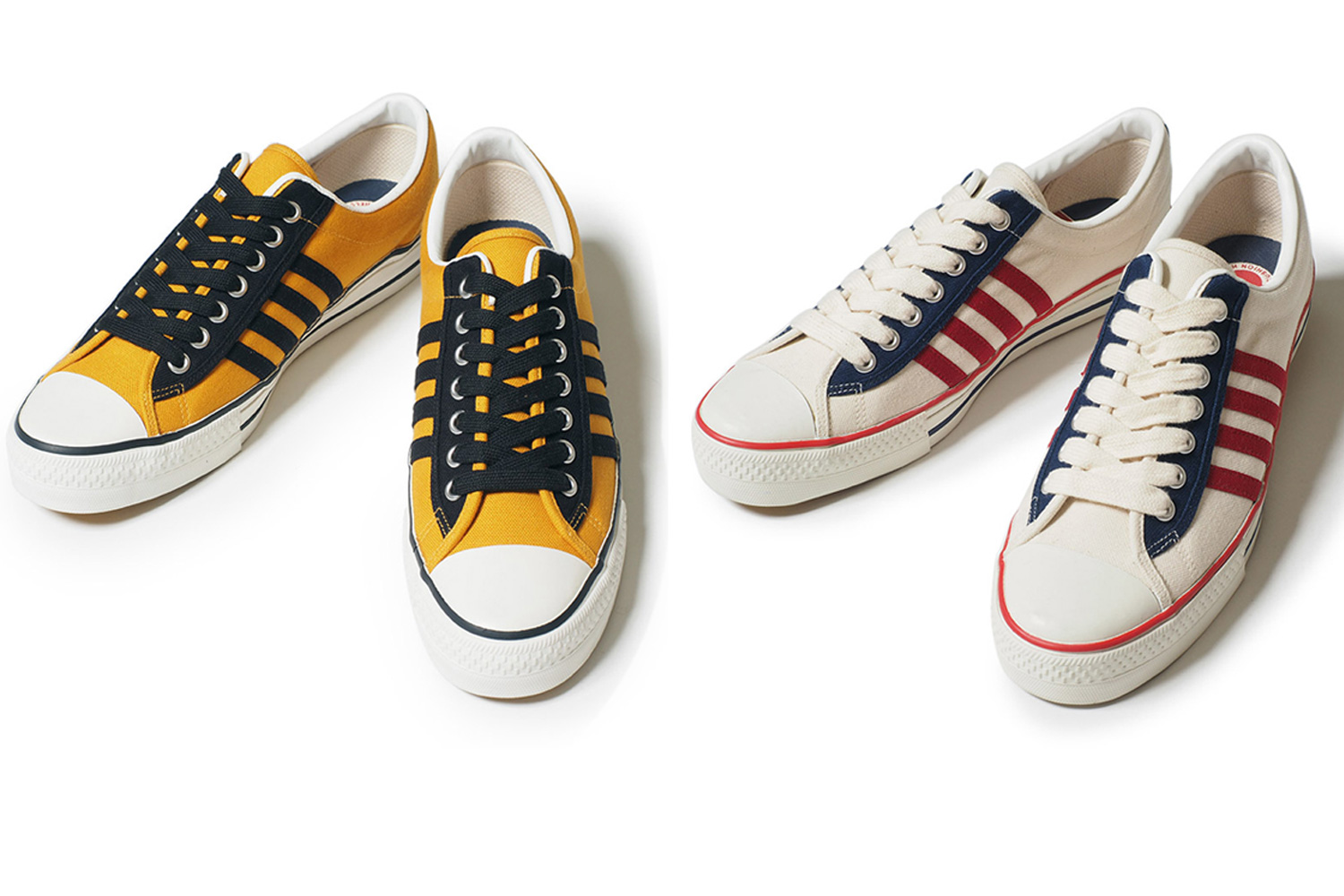
You can check our some of the many pairs that landed at the mighty Soma Shimokitazawa shop here, here and here and they have several more pairs posted on their site.
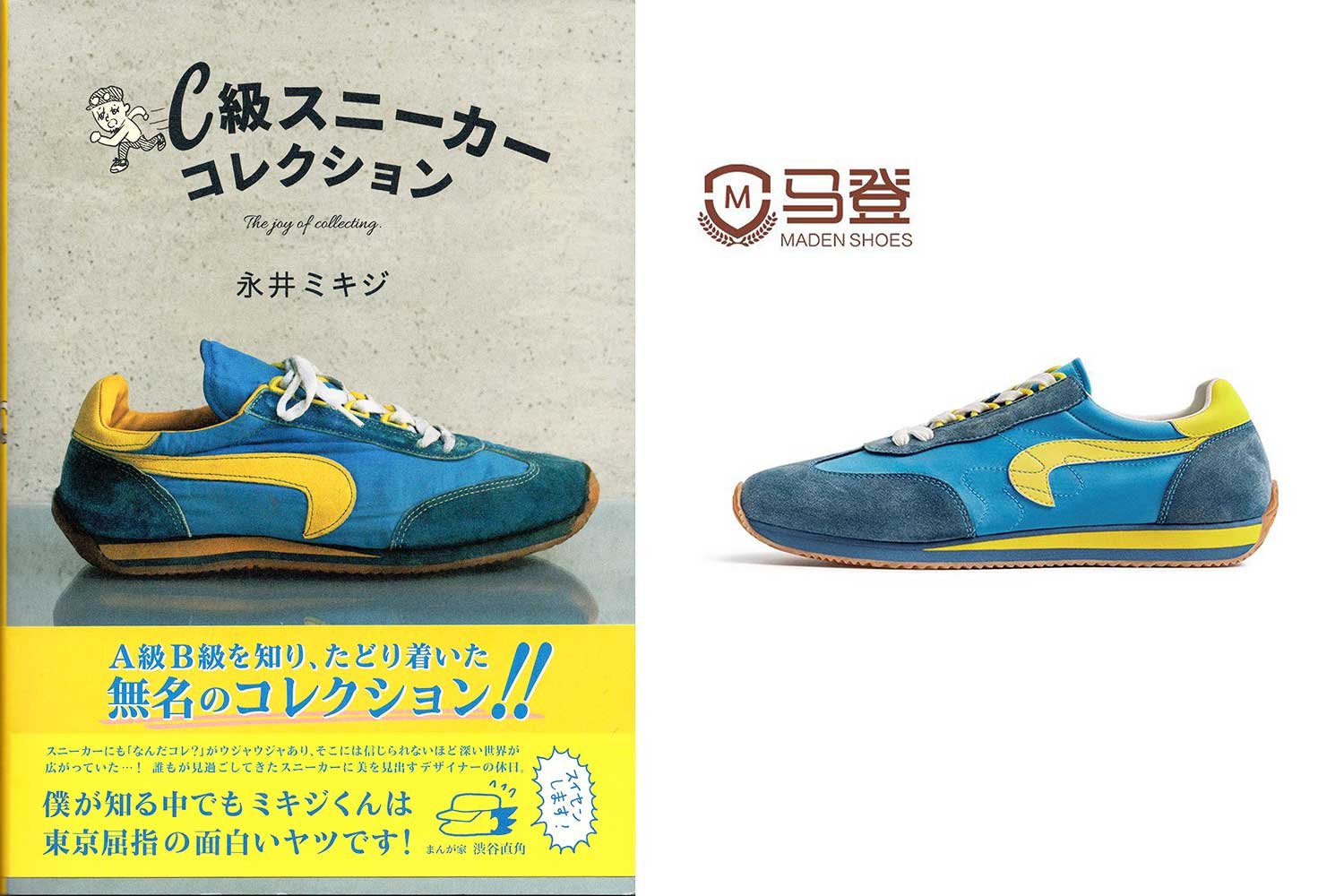
The Osaga vintage running shoes were also heavily featured in the excellent Japanese sneaker collector book ‘‘C-Class sneaker collection. The joy of collecting” by Mikiji Nagai.
And another pair from vintage sneaker collector’s mojotakagi’s instagram page.
The shoes that once lined Eugene track meets were now being rediscovered in Tokyo storefronts, celebrated not as failed products but as treasures of running history.
Chapter 3: THE REVIVAL | For the Human Race 2.0
Osaga was named after the Osage Native American tribe, and embraced the original tagline “For the Human Race,” a reflection of its mission to create world-class shoes for everyday athletes. Decades after the brand’s disappearance, that slogan has found new life in the hands of the next generation. Two grandsons of founder Bill Combs decided to carry the torch, reviving the family brand with a back-to-its-roots philosophy: reissuing the original models that once made Osaga a name to watch.
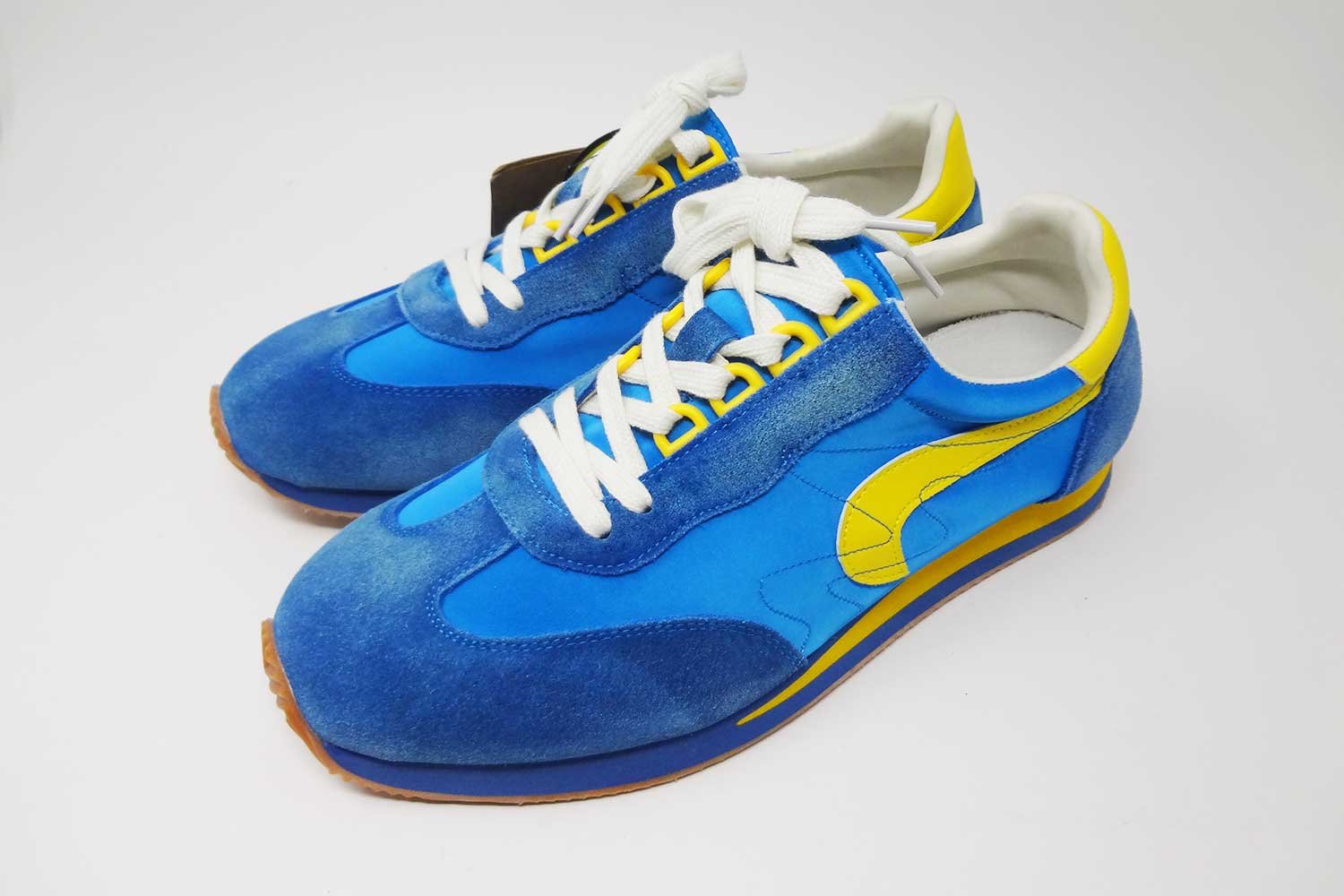
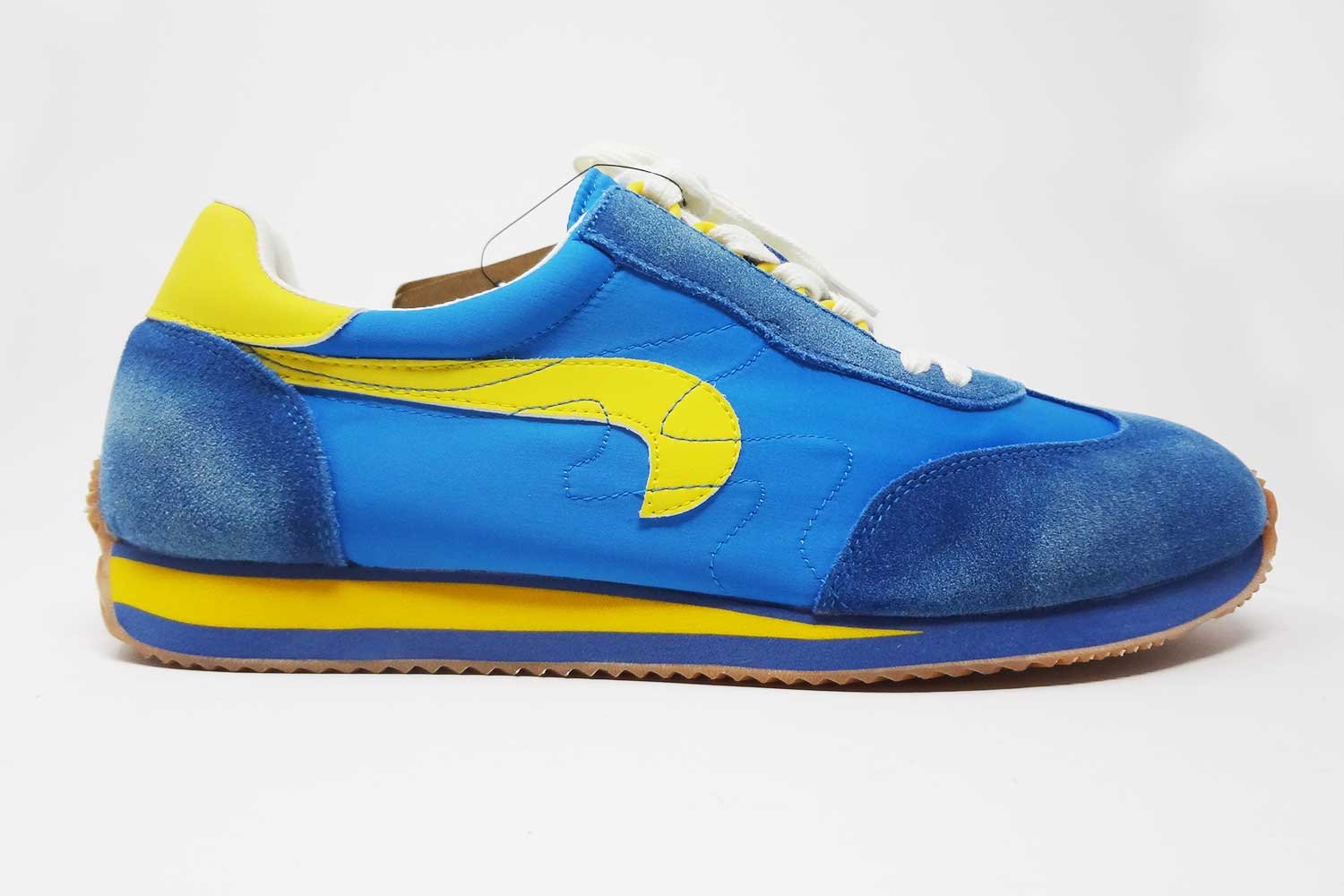
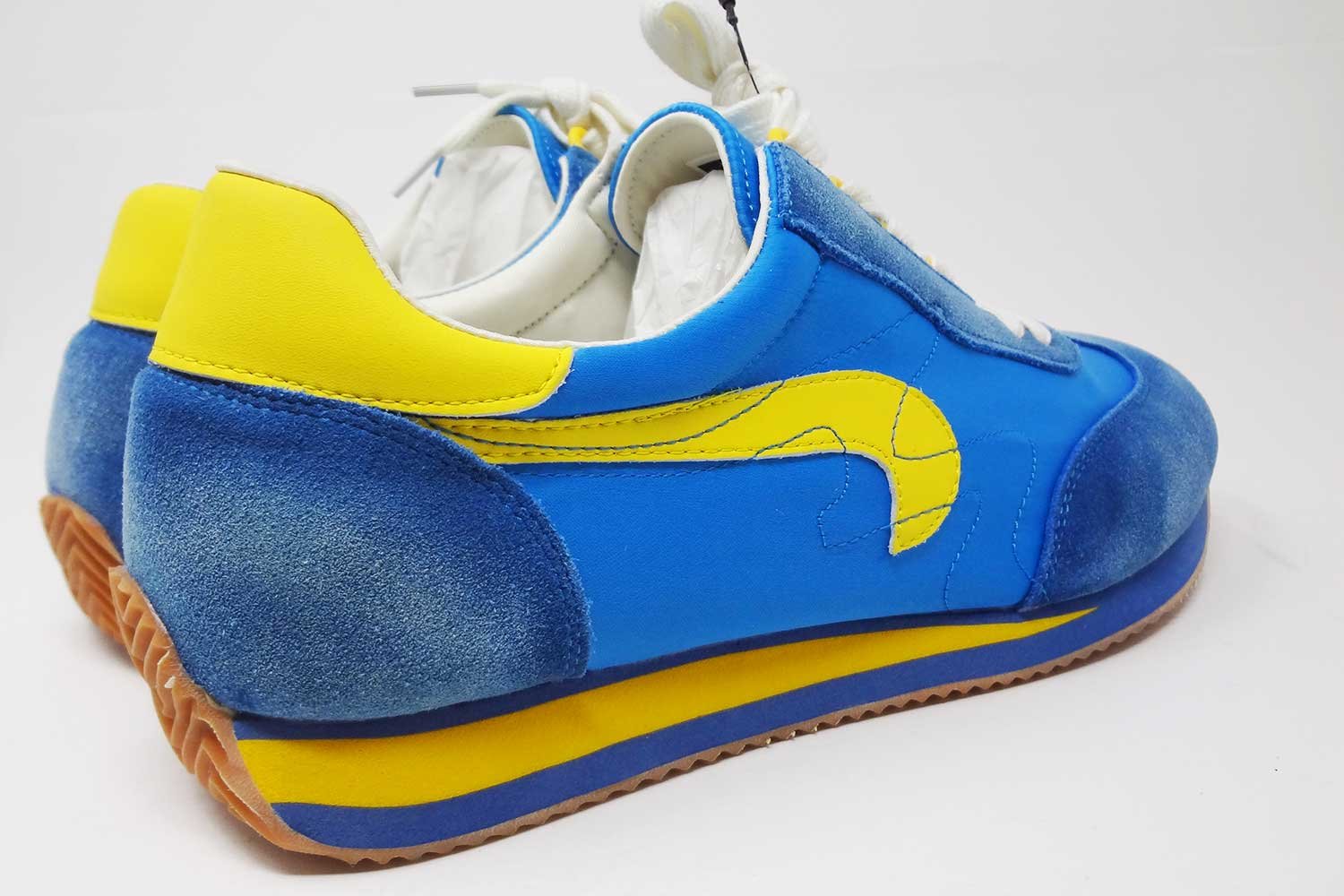
The revival includes faithful reproductions of the KT-26, complete with its distinctive cantilever sole, and the Osaga 80 a reissue of the “Moscow 80,” the shoe first introduced in the lead-up to the 1980 Olympics. These reissues aren’t just nostalgic tributes; they’re functional, wearable sneakers that carry the same energy and athlete-first spirit as the originals.
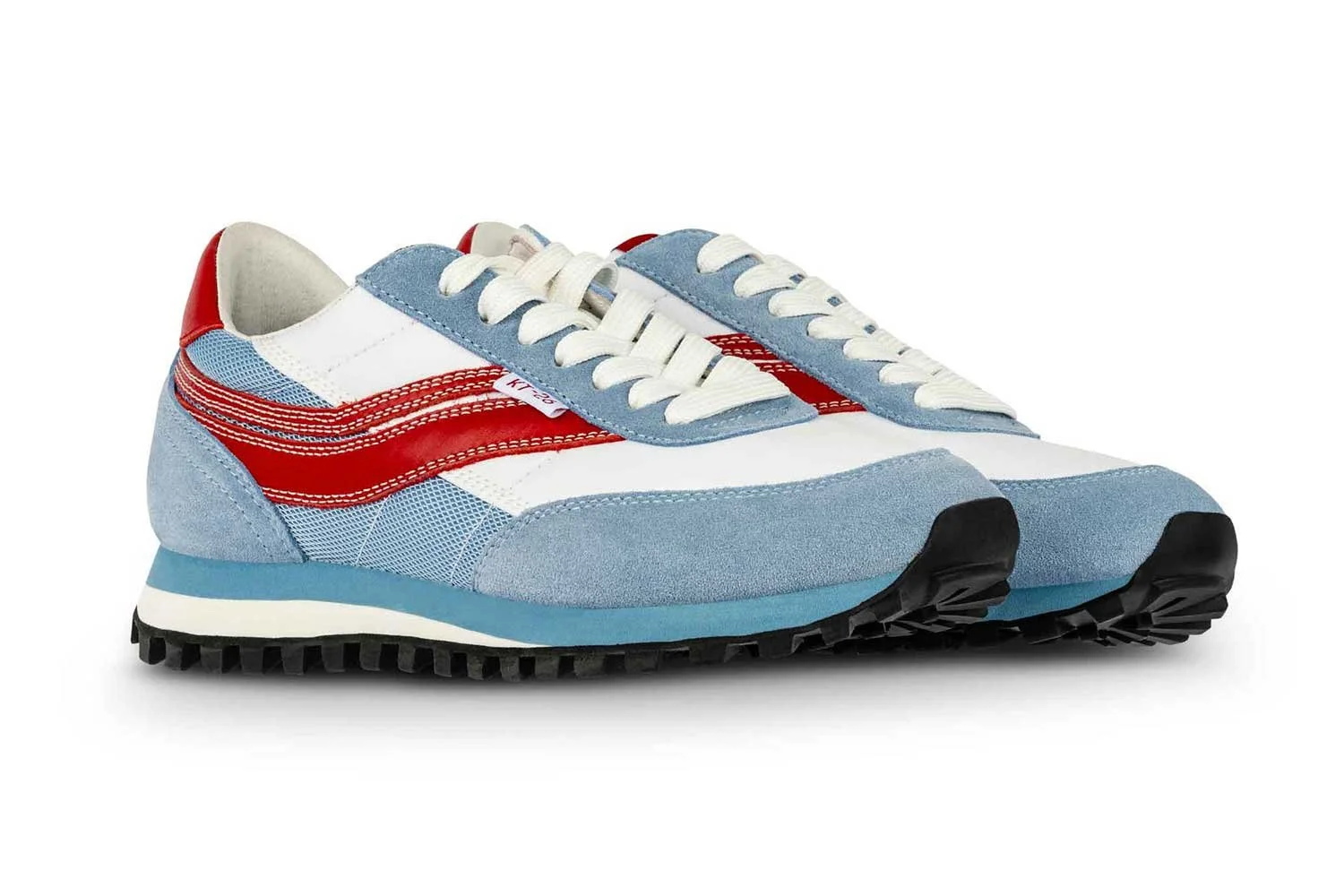
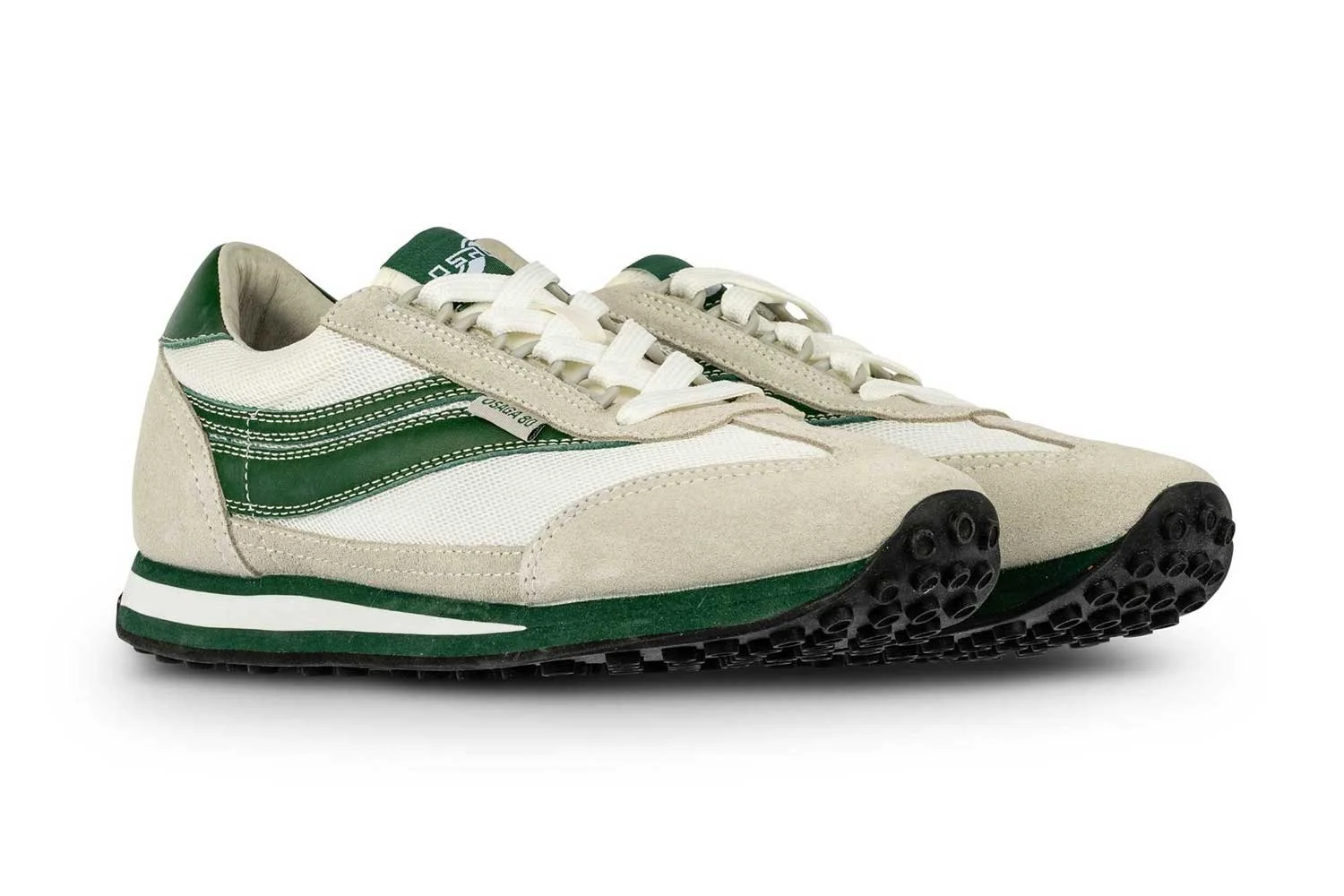
We’ve had the chance to wear the new reissues of the Osaga KT-26 and 80 models, and they’re comfortable, springy, and true to the innovative roots that defined Osaga’s first chapter. We recently added them to our updated Top 10 Retro Running Sneakers for 2025 - Deffest Sneaker Buyer's Guide.
In many ways, this new phase is not just about reviving a product, it's about reclaiming a legacy, restoring Osaga’s place in TrackTown lore, and proving that the brand’s tagline still carries weight: For the Human Race 2.0.
Epilogue: Why Osaga’s Story Still Matters
The story of Osaga isn’t just about shoes, it's about what happens when passion for sport, community, and innovation intersect. From its scrappy beginnings in Eugene to its investment in Hayward Field, from its quiet disappearance to its rebirth as a cult collectible in Japan, Osaga’s journey mirrors the cycles of many great ideas: born locally, overlooked in their time, rediscovered by those who recognize their value, and finally revived for a new generation.
In the end, Osaga stands as a reminder that true innovation doesn’t always come from the largest players. Sometimes it comes from a handful of believers working in the shadow of a track stadium, guided by a vision larger than themselves. And thanks to its revival, Osaga once again belongs to the runners, the collectors, and the dreamers who understand that heritage and performance can share the same sole. If you're interested in Osaga’s new product line we’ve included a link here as well as a link to our vintage Osaga shop at RewindRunning.com.