The Osaga Retro Reissue Collection: The Return of the Osaga 80 & KT-26, A Running Heritage Reborn

Affiliate disclosure: This article contains affiliate links. We may earn a commission if you make a purchase through these links, at no additional cost to you.

Osaga Shoes: The Golden Age Returns

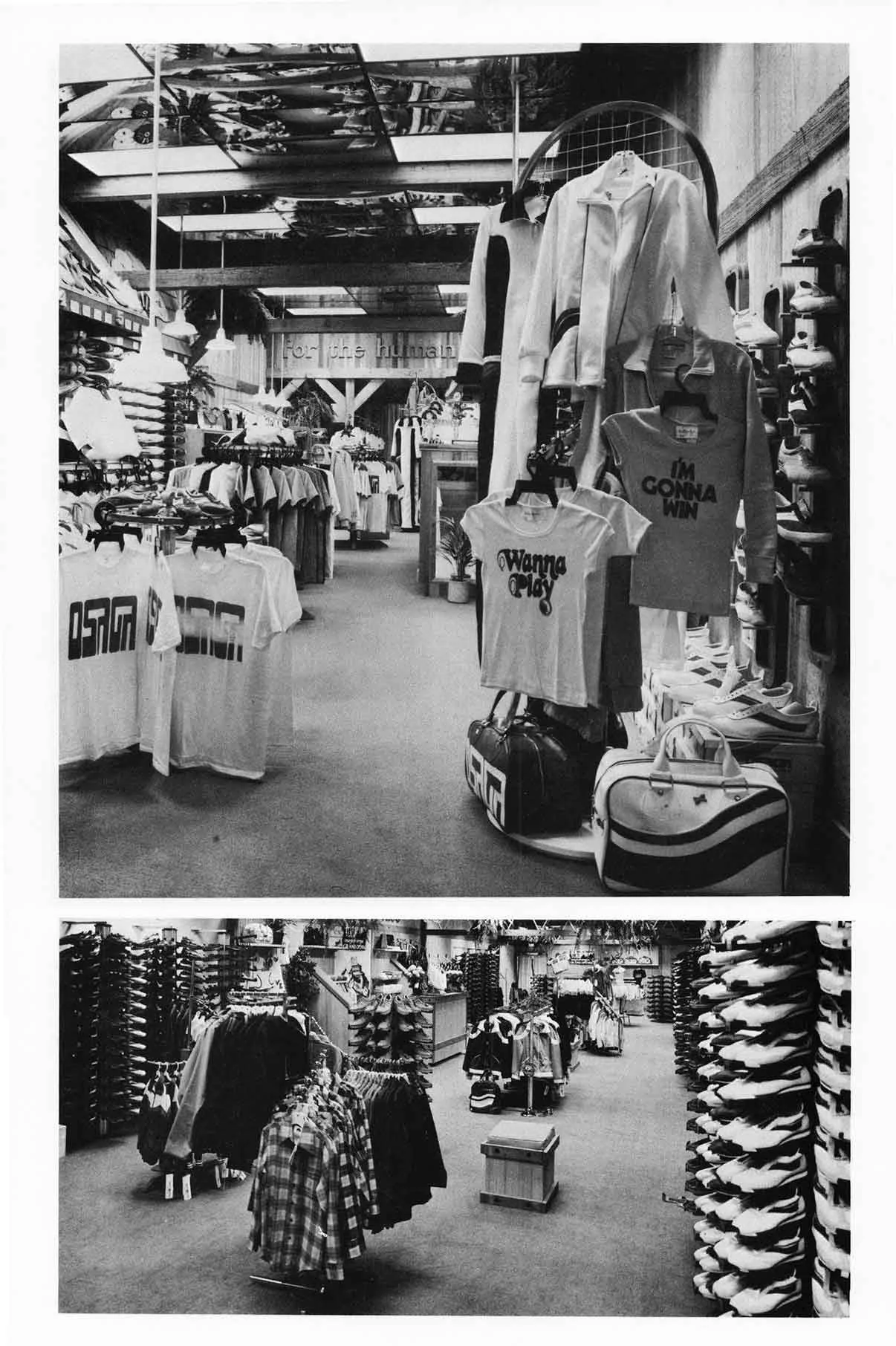
Few brands captured the heart of America’s Running Boom quite like Osaga. Born in Eugene, Oregon, aka TrackTown USA, Osaga stood shoulder-to-shoulder with the biggest names in running during the 1970s by focusing on biomechanics, comfort, and pure running efficiency. Now, decades later, the company is once again lacing up history with the launch of the Osaga Retro Reissue Collection, headlined by two of its most legendary silhouettes: the Osaga 80 (formerly Moscow 80) and the KT-26.

These reissues are not mere remakes, they’re historically faithful reconstructions enhanced by modern materials and technology, bridging the craftsmanship of the 1970s with the comfort standards of today.

Osaga 1977 vintage Moscow 80 running shoe ad

Osaga 80: The Evergreen Classic

“...a shoe that is among the best in sole cushioning and comfort.”, Runner’s World, 1979

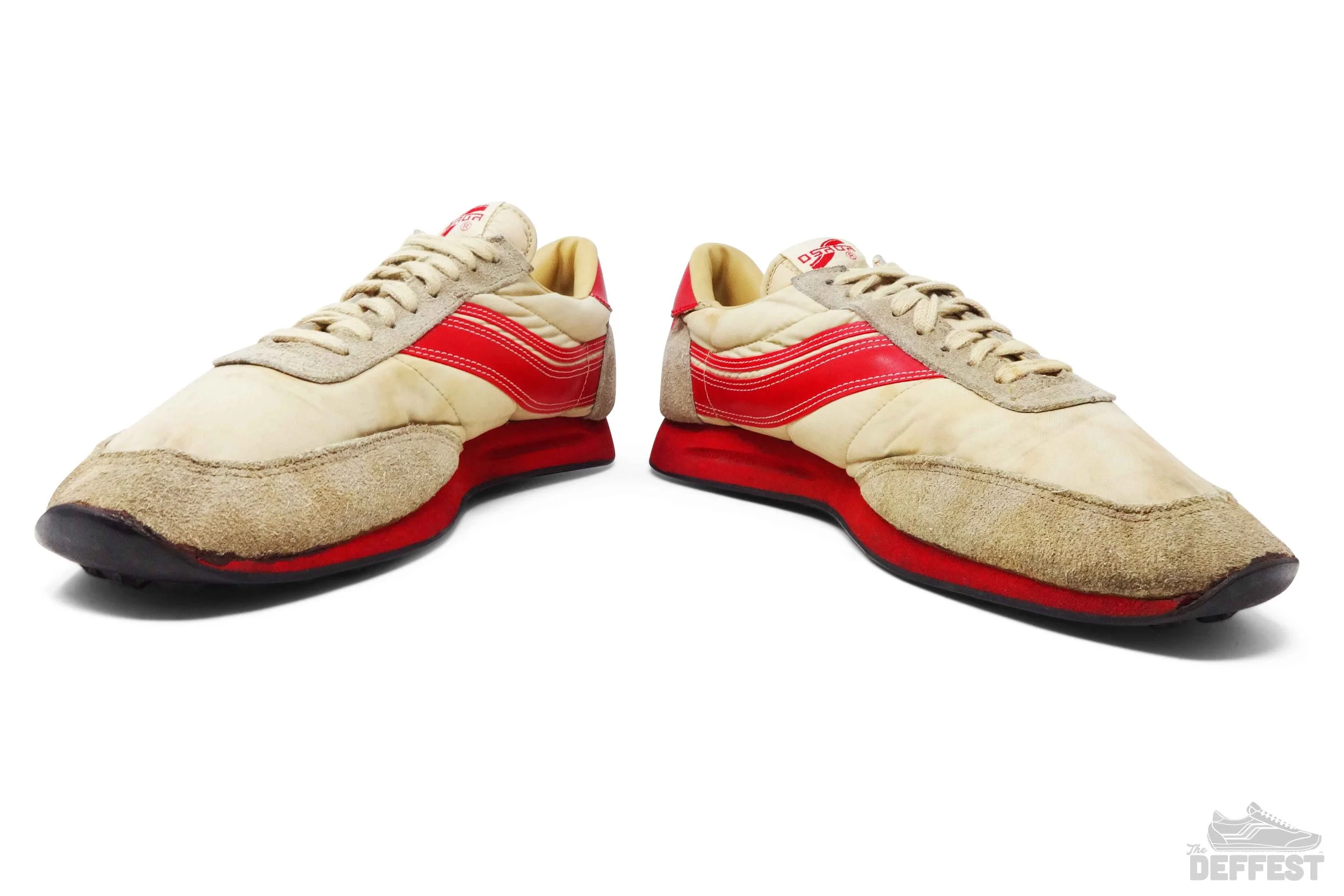
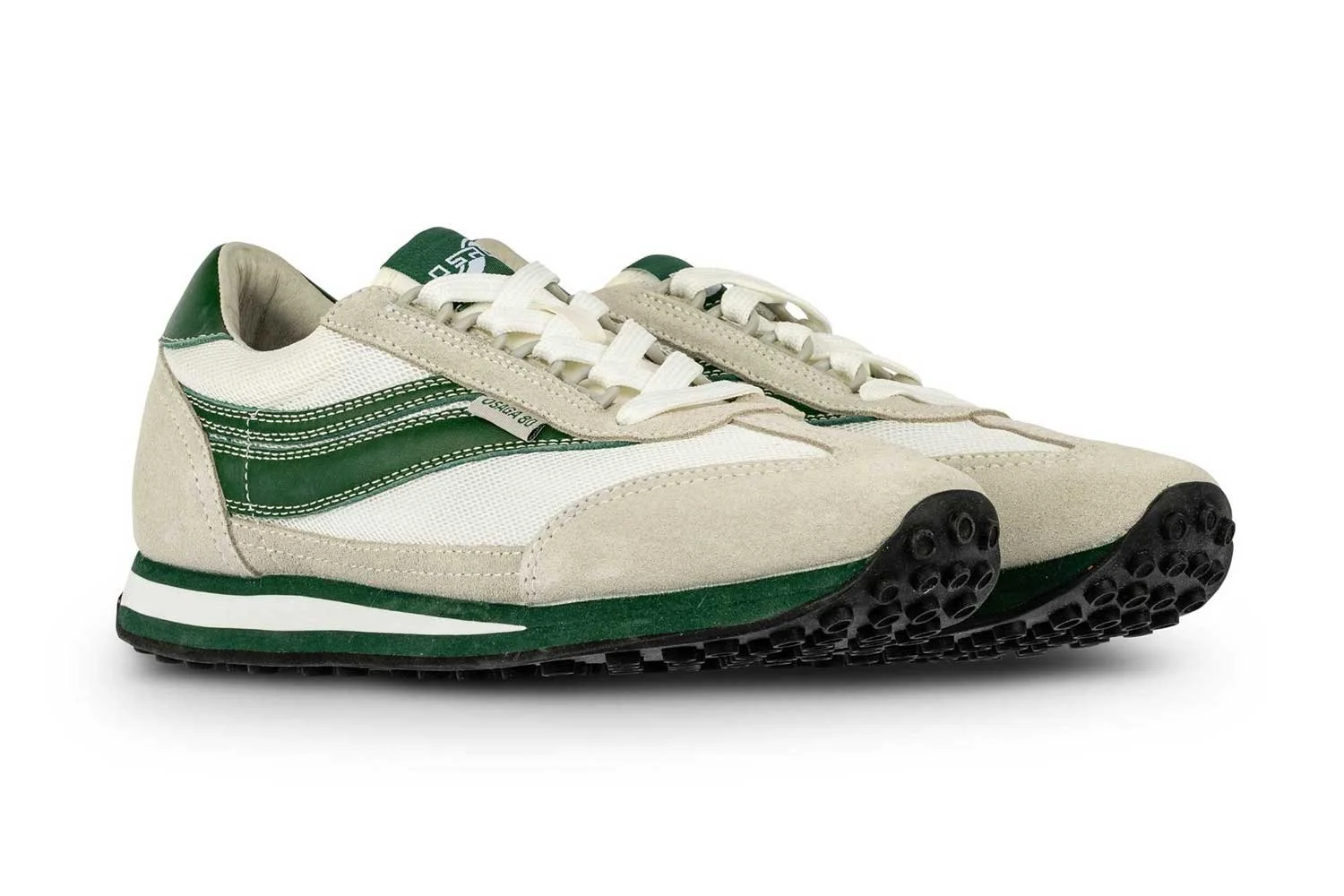
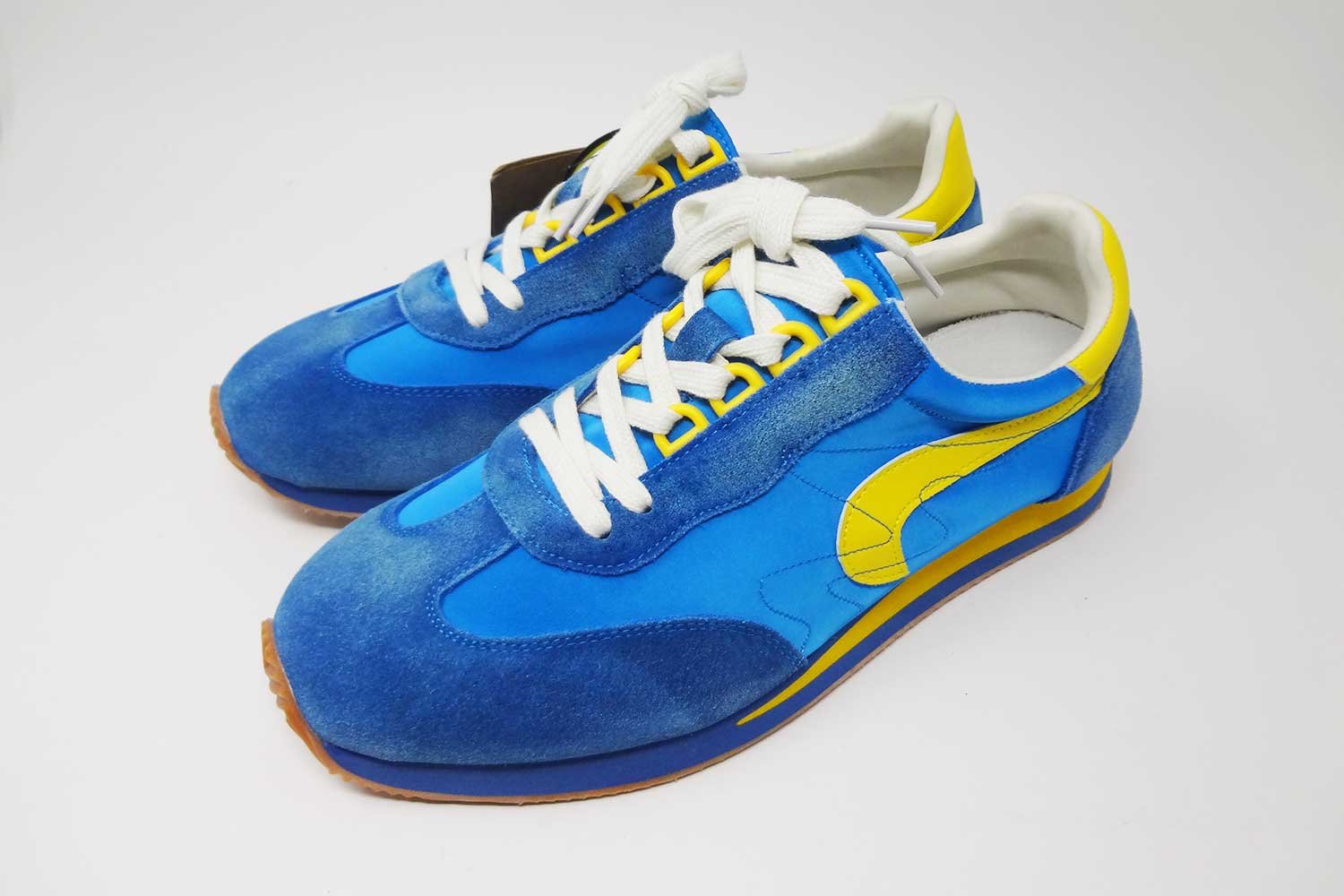
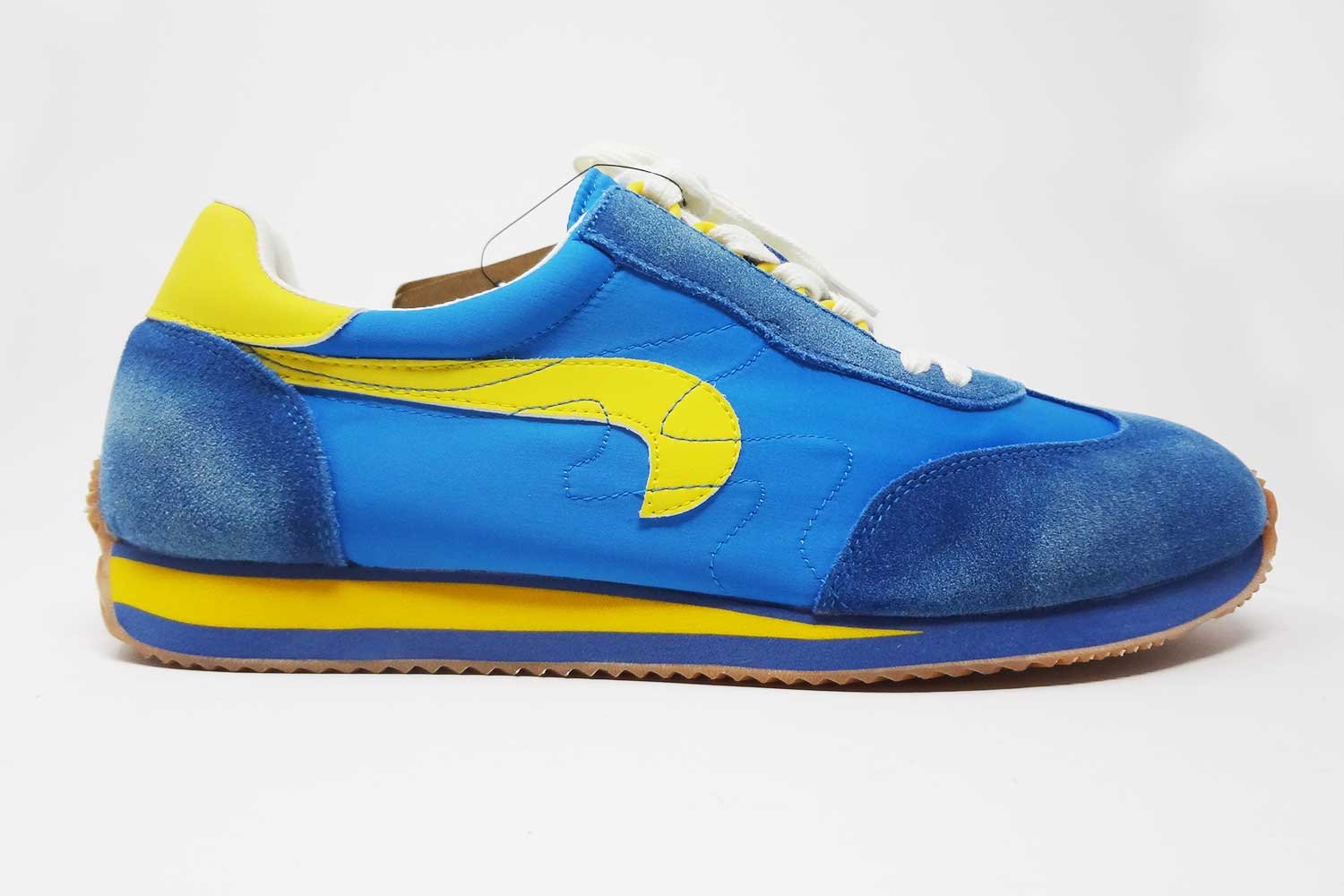
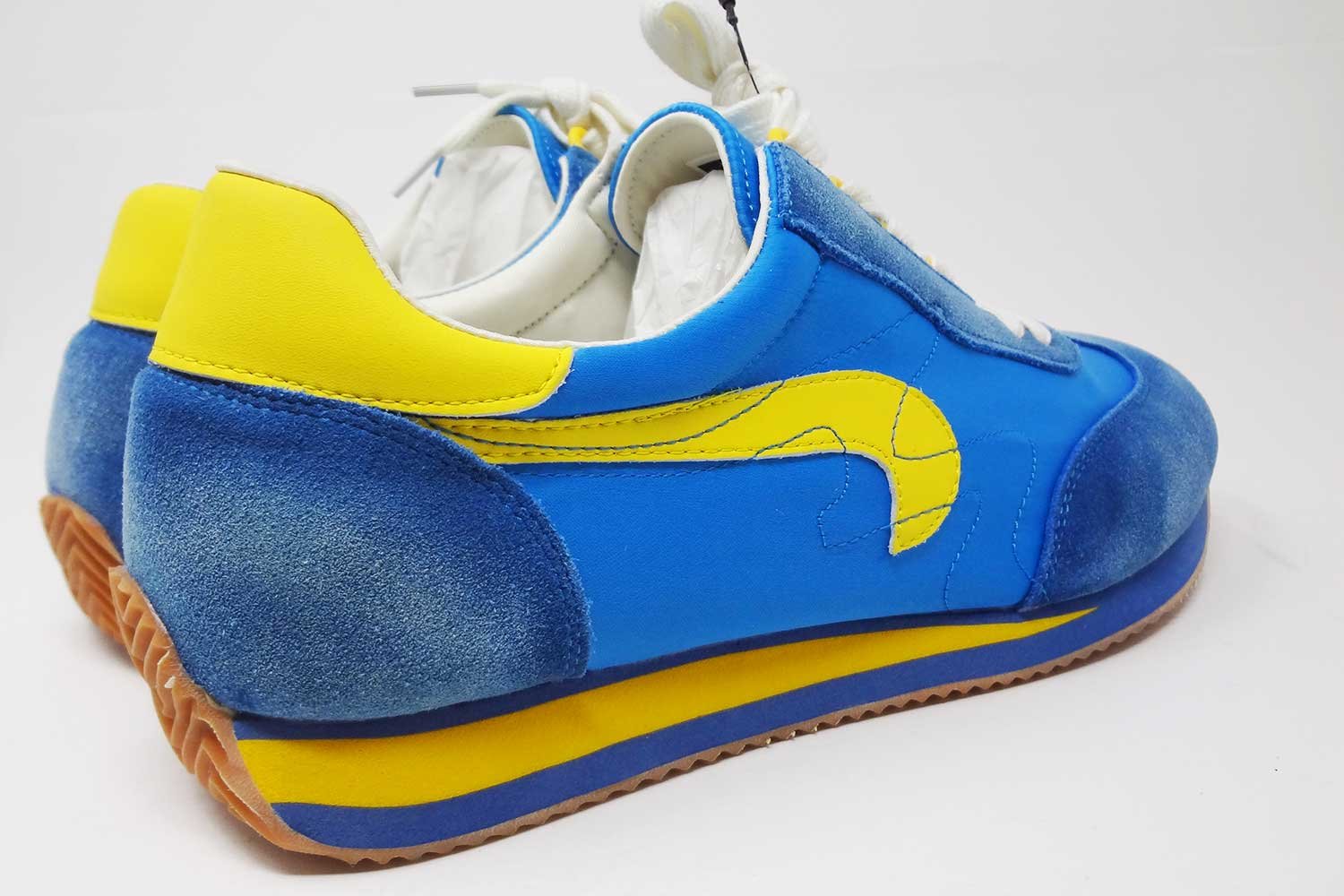
The Osaga 80 vintage running inspired sneakers

The Osaga 80, originally known as the Moscow 80, was praised for its superior cushioning and light-on-its-feet feel. The reissue, affectionately nicknamed The Evergreen, stays true to that spirit, offering a heritage running-flat silhouette with updated details for everyday wear.

Modern Updates Meet Retro DNA

  • Comfort Lining with Aegis® Anti-Microbial Treatment – keeps feet cool and fresh through long wear.

  • Premium Suede, Leather & Performance Mesh Upper – lightweight, breathable, and era-authentic.

  • Removable Molded PU Footbed – modern support that adapts to your stride.

  • EVA Cushioned Midsole & Rubber Outsole with Osaga Tread – inspired by the brand’s original multi-stud sole pattern.

  • Metal Aglet Laces – a subtle nod to mid-century craftsmanship.

Available in White & Green and Black leather color ways, the Osaga 80 perfectly captures the vibe of 1970s runners while adding the plush, flexible comfort expected today.

Shop the Osaga 80 Collection →

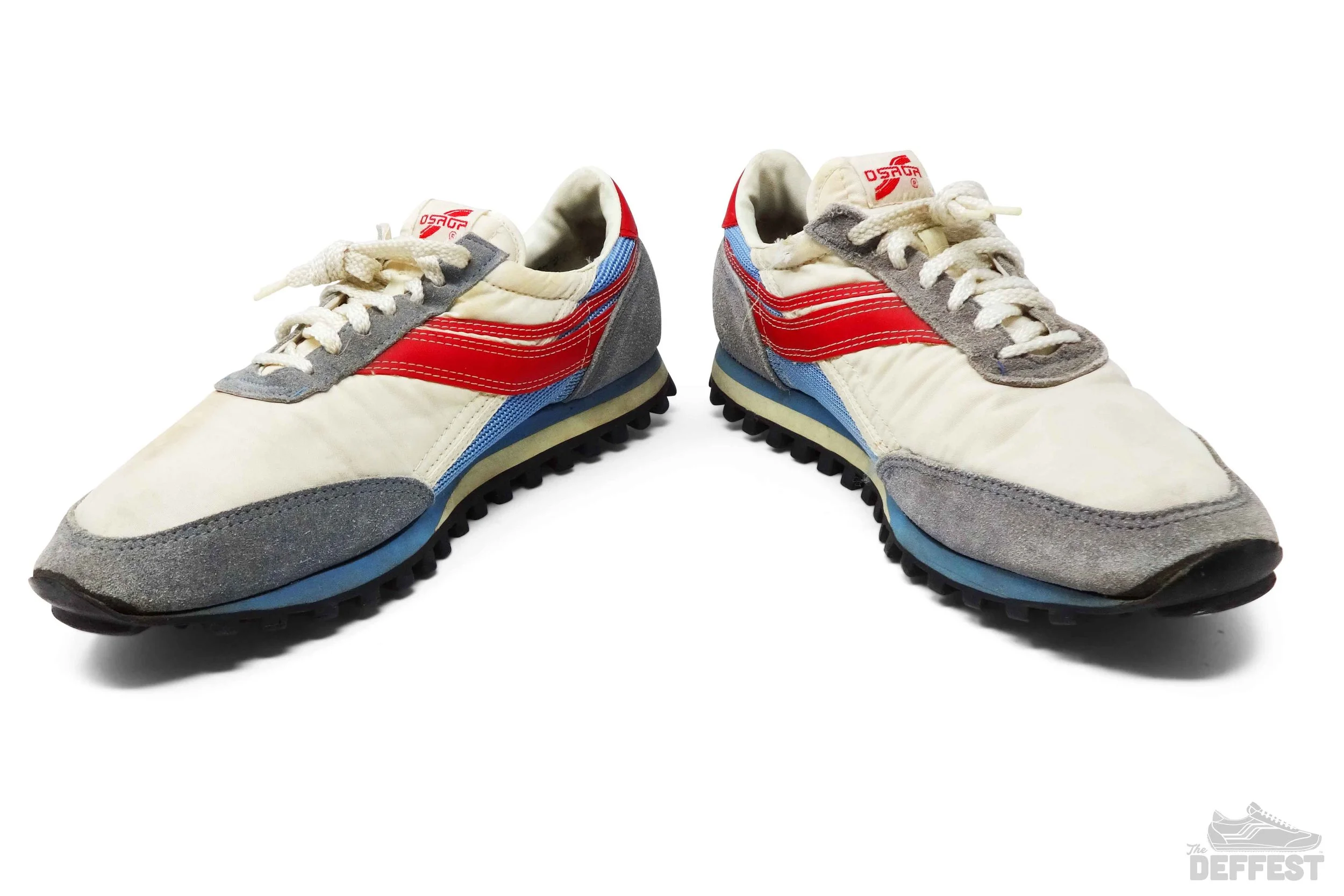
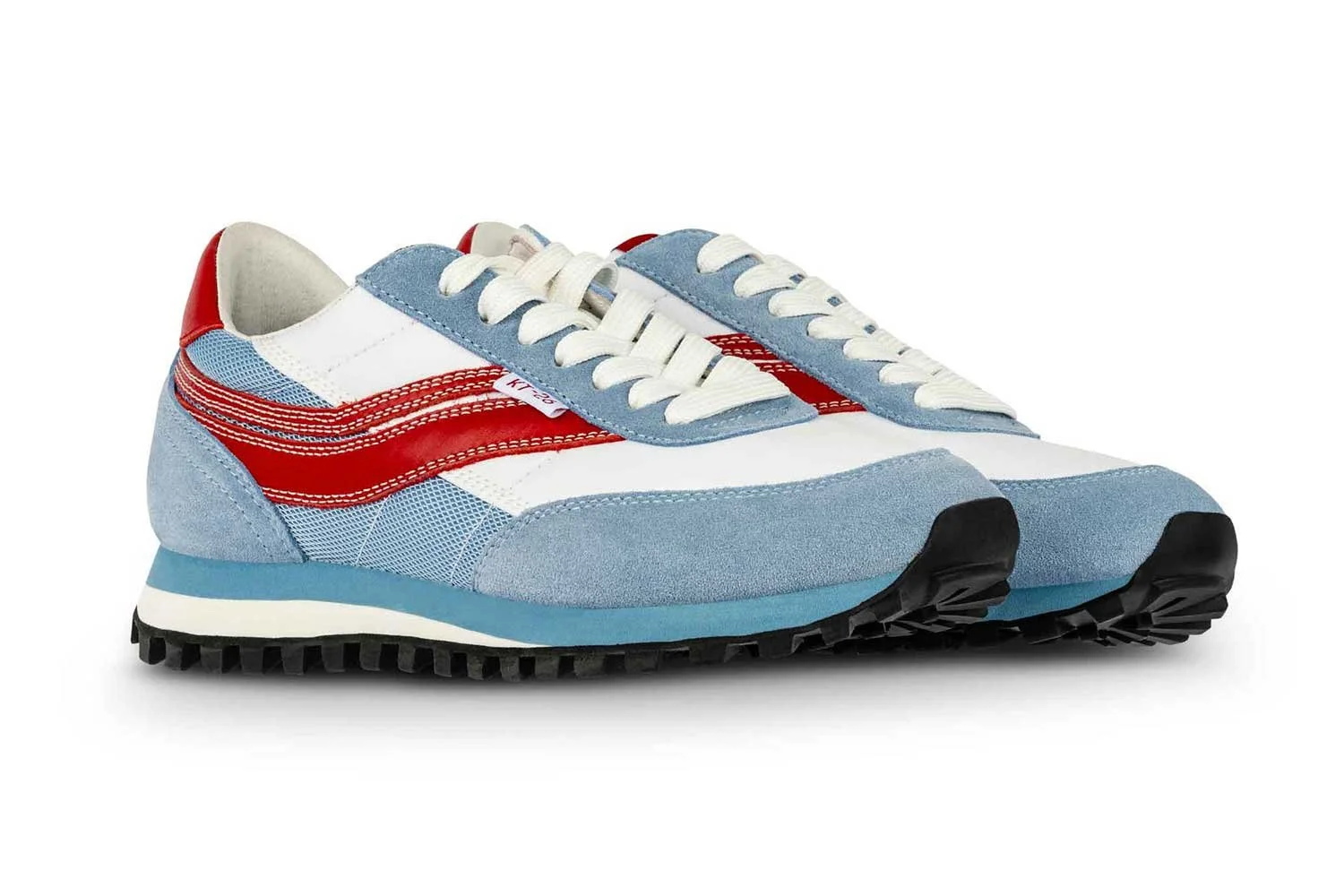
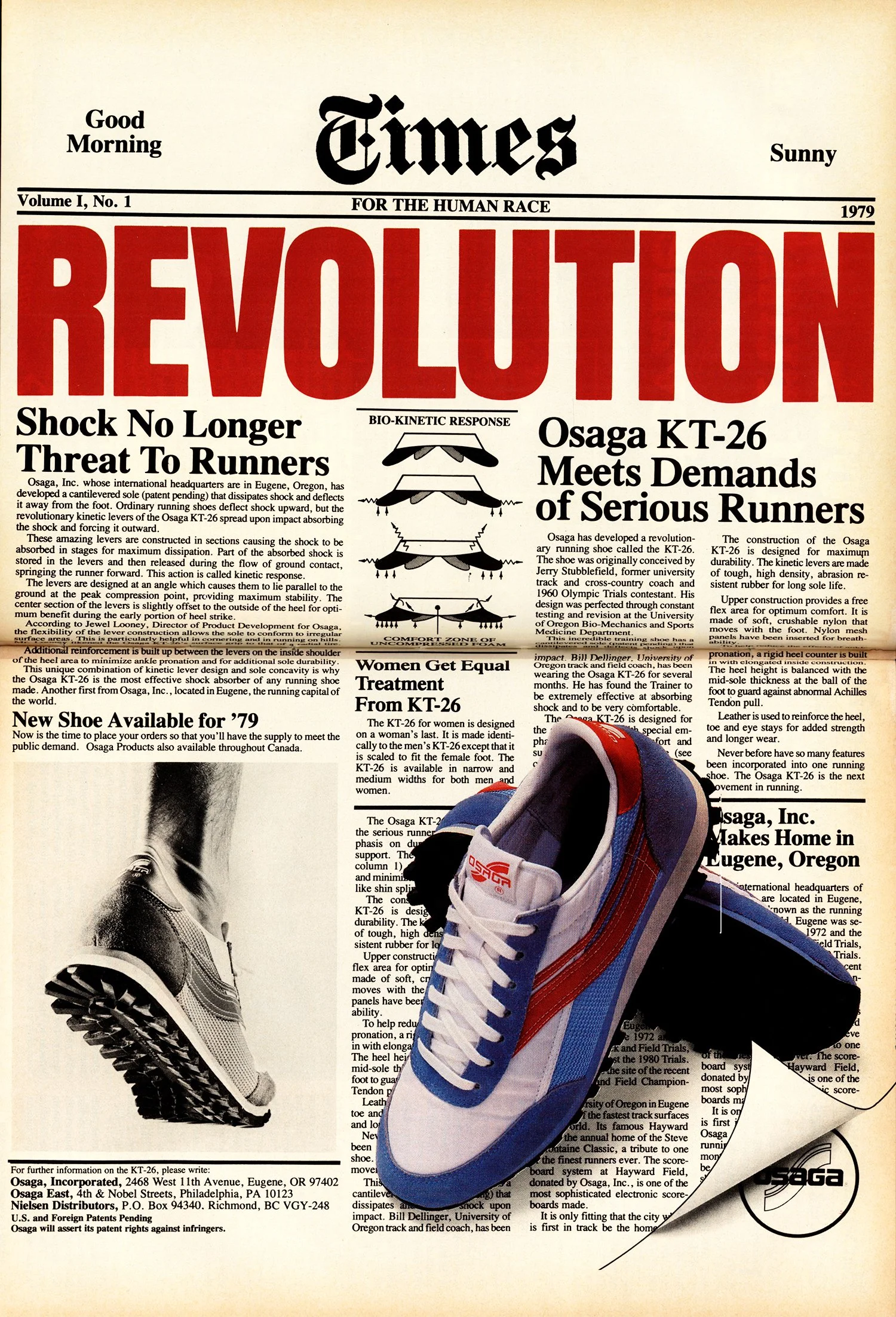
Osaga KT-26 vintage-inspired retro sneakers

The KT-26: The Revolution Returns

“The KT-26 incorporates the Cantilever Principle... for better foot protection and greater control.”, Osaga Performance Ad, 1981

“It’s for the challenge of the 80s, and Osaga Performance wants you to win.”

If the Osaga 80 represented grace and cushioning, the KT-26 embodied engineering and endurance. Marketed as “the ultimate in protection for training shoes,” the KT-26 introduced the world’s first cantilever outsole, a system that absorbed shock and returned energy through kinetic leverage, decades before “energy return” became a buzzword.

Engineering Ahead of Its Time

Osaga’s 1980s campaign described it best:

“Bio-kinetic construction… dissipates shock upon impact and deflects it away from the foot and leg.”

The KT-26 reissue brings that same biomechanical brilliance back to life with:

  • Re-engineered Cantilever Outsole for multi-directional shock absorption and stability

  • Supportive Rigid Heel Counter & Arch System for balance and motion control

  • Breathable Nylon and Mesh Upper paired with Suede Reinforcements

  • Durable Rubber Outsole patterned after Osaga’s original “kinetic levers”

  • Modern Cushioned Midsole & Ortholite Footbed for day-long comfort

Originally built for bigger runners and high-mileage trainers, the KT-26 was awarded a Runner’s World 5-Star rating, a badge Osaga proudly wore across its ads. Today, the reissue arrives ready for both serious runners and collectors who value authentic, biomechanics-driven design.

Shop the KT-26 Reissue →

Why These Reissues Matter

In an era where “retro” often means surface-level nostalgia, Osaga’s revival cuts deeper. Both models were re-engineered by the same family-run company that created them, preserving the ethos that defined 1970s performance footwear, comfort, science, and humanity in motion.

The tagline remains timeless:

“Osaga… for the human race.”

Explore the Full Story

Discover how this Oregon-born brand inspired generations of runners in our in-depth editorial:

The Untold Story of Osaga: Eugene’s Homegrown Running Brand


Shop the Osaga Retro Reissue Collection

  • Osaga 80: a faithful reissue of the 1970s Moscow 80, refined for modern comfort.

  • KT-26 Reissue: Osaga’s legendary cantilever trainer for serious runners and design purists.

Both models are available now in limited quantities at Osaga.com.

Affiliate Disclosure

The Deffest participates in affiliate marketing programs and may earn commissions on purchases made through our links. These funds help support our independent coverage of sneaker history and culture.
The Untold Story of Osaga: Eugene’s Homegrown Running Brand

You’ve probably heard this one before: a scrappy upstart running shoe brand from Oregon rises out of the track culture at the University of Oregon, fueled by a new kind of running shoe design and a close connection to athletes at Hayward Field. Most people would assume that story belongs to the now-global giant based in Beaverton. But that’s not the tale we’re telling here. This is the story of Osaga, a homegrown Eugene rival that carved out its own place in running history backed by bold innovation, deep community roots, and a vision to make TrackTown USA the true capital of the sport.

Chapter 1: Building a Brand in TrackTown USA

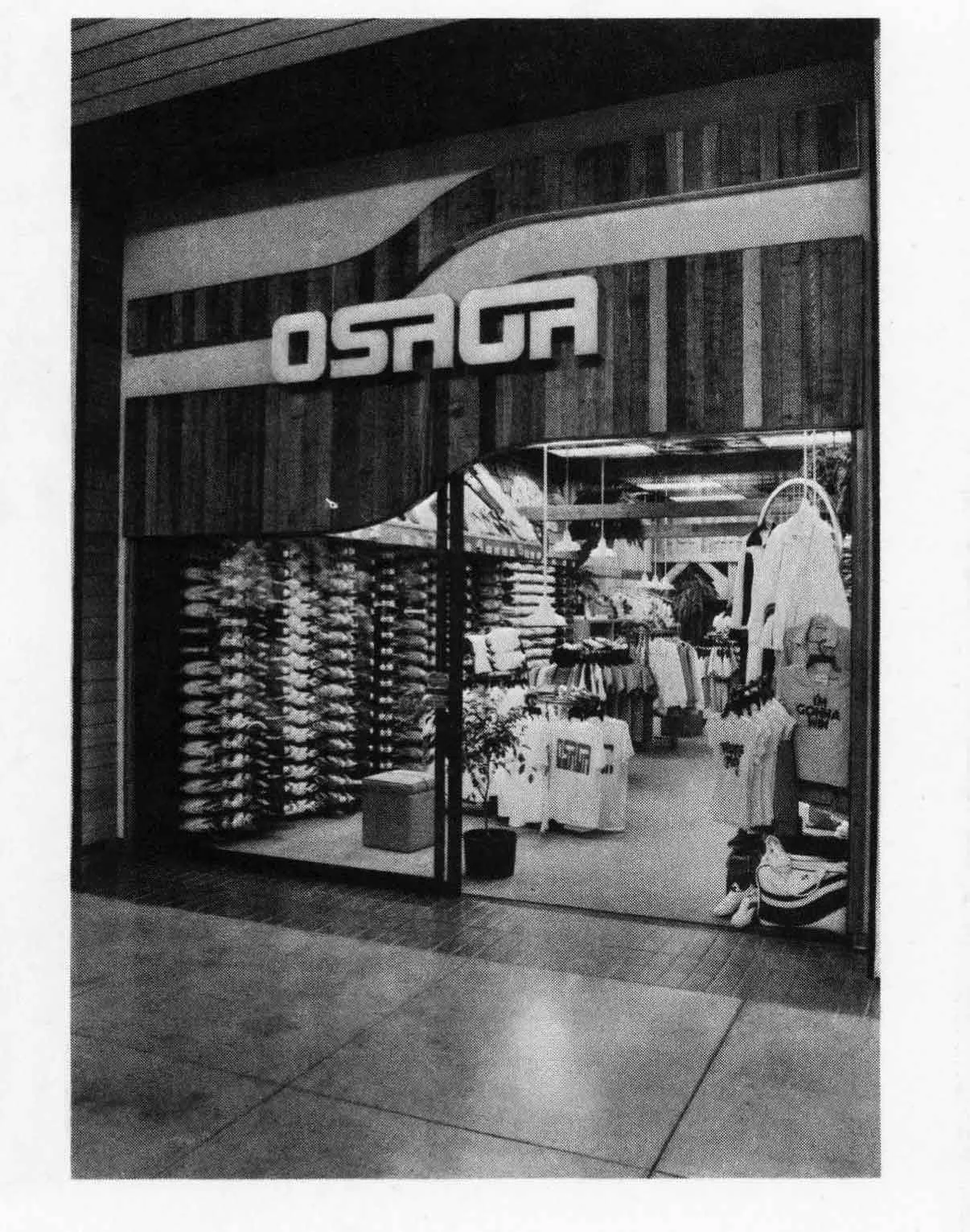
In the 1970s, around 1974, Osaga emerged in Eugene, Oregon right in the heart of TrackTown USA, in the shadow of Hayward Field. Founded by Bill Combs, a visionary entrepreneur with a deep commitment to the running community, the company was fueled by a mission to serve athletes with products tailored to the needs of competitive runners. Combs made his ambition clear: “As I see it, to really make the city more the track capital of the USA. We have the fans, the facility, and a super track. This is just the icing on the cake.” For him, Osaga was not just about sneakers, it was about strengthening Eugene’s identity as the hub of American running. Bill Combs, was also a local shoe retailer in Eugene whose store, Burch’s Fine Shoes, remains in operation today.

Osaga’s leadership, including president Norman Moenkhaus, worked closely with the University of Oregon to refine athlete-first innovations. As Moenkhaus explained, “We work closely with a number of people at the university. Our business is so closely related to the athletic department, we have counseled a number of their people in developing our product. We felt an obvious way of furthering our work with the university was to help them in this project.”

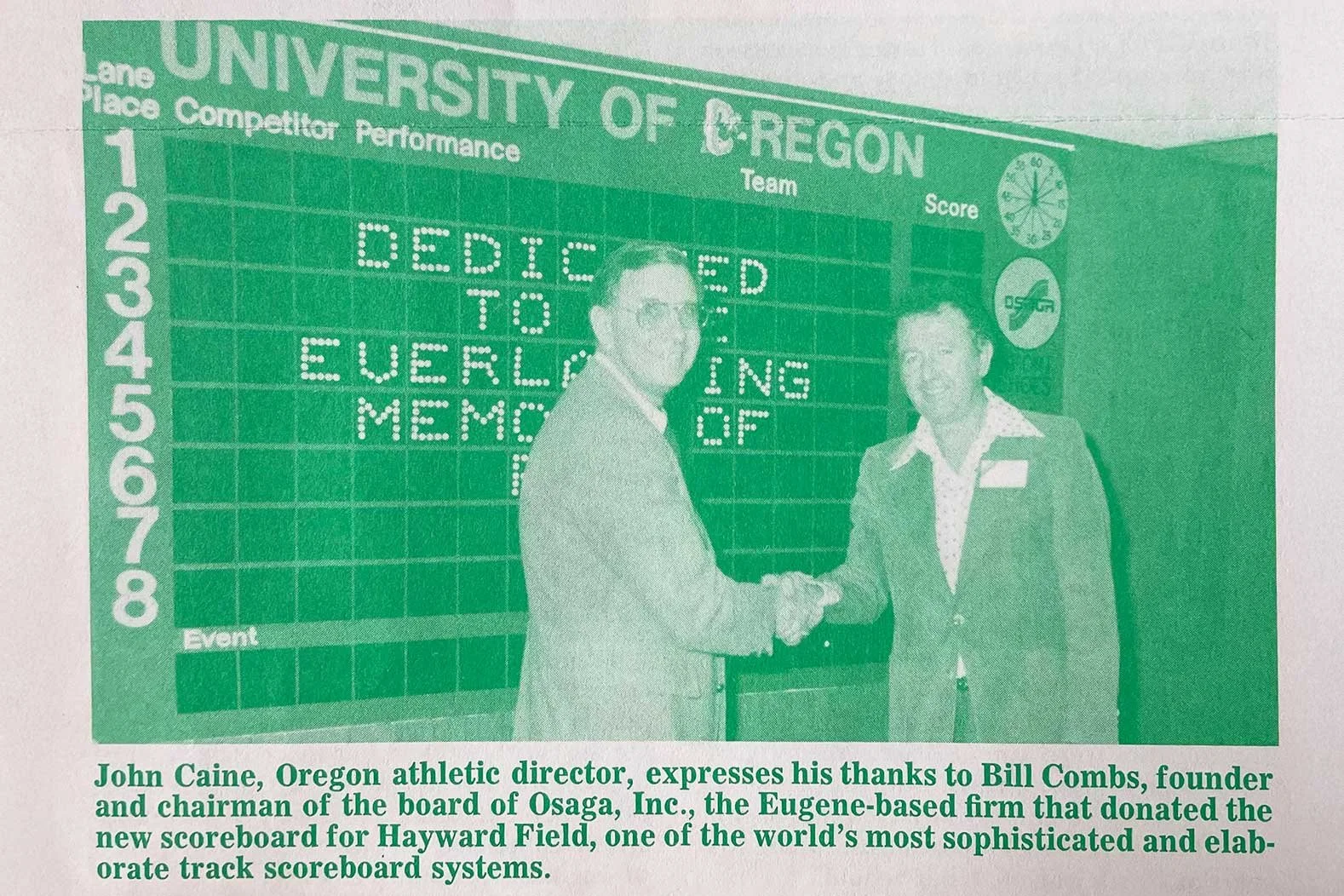
That collaboration extended beyond footwear into infrastructure that served the entire running community. In 1978, Osaga donated a cutting-edge $80,000 electronic scoreboard to Hayward Field. At the time, it was the most advanced track and field scoreboard in the nation capable of displaying athlete names, times, distances, heights, lane assignments, and full meet results. For Combs, the gift was about legacy as much as technology: “I believe the scoreboard will become an institution to the university, athletes who compete at the local, national and international level at Hayward Field and to the super-fans of Track City, USA.”

John Caine, Oregon athletic director, expresses his thanks to Bill Combs, founder and chairman of the board of Osaga, Inc., the Eugene-based firm that donated the new scoreboard for Hayward Field, one of the world's most sophisticated and elaborate track scoreboard systems.

Alongside their community contributions, Osaga pressed forward with product innovation. Their flagship model, the KT-26, was built around the experimental “Cantilever Principle”, a design that improved shock absorption and stability while giving runners greater control. Marketed as the serious runner’s shoe, it was a bold attempt to blend biomechanical research with state-of-the-art construction.

As Moenkhaus described, “Both Osaga and the program at the University of Oregon Athletic Department have grown in response to the interest in physical fitness and sports shown by the people of Eugene. We’re pleased that Osaga is able to help further the University’s standing as one of the nation’s leaders in track and field.”

Grounded in community ties, experimental engineering, and an unwavering commitment to the running culture of Eugene, Osaga exemplified the spirit of a scrappy upstart.
Chapter 2: From Shuttered Brand to Cult Classic

By the early 1980s, Osaga’s momentum caught the attention of international players, and the brand was eventually sold to Mitsubishi International Corporation. After the sale and over time the Osaga brand's visibility was reduced and by the mid-to-late ’90s, the Osaga name had vanished and was shuttered in the face of overwhelming competition and shifting market dynamics. What might have been just another forgotten footwear story instead took a surprising turn.

In the years that followed Osaga emerged from the ashes as a cult classic in the vintage sneaker world. Many of the remaining pairs, with their unique silhouettes and bold design language, found a second life in the American secondhand market and in Japan, where vintage sneaker collectors developed an intense appreciation for the forgotten American sneaker brand. Long after it’s closure the Osaga brand began picking up steam again. What may not have been fully understood or embraced in Osaga’s own time became celebrated decades later as rare, ahead-of-their-time artifacts of design.

In resale shops and on Japanese collector sites, Osaga sneakers became sought after grails that could command staggering prices from $400 to $1,200 depending on condition and rarity. The KT-26, Moscow 80, and other once-forgotten models now stood alongside vintage Nike, Onitsuka Tiger, and Adidas pairs in curated collections.

You can check our some of the many pairs that landed at the mighty Soma Shimokitazawa shop here, here and here and they have several more pairs posted on their site.

The Osaga vintage running shoes were also heavily featured in the excellent Japanese sneaker collector book ‘‘C-Class sneaker collection. The joy of collecting” by Mikiji Nagai.

And another pair from vintage sneaker collector’s mojotakagi’s instagram page.

The shoes that once lined Eugene track meets were now being rediscovered in Tokyo storefronts, celebrated not as failed products but as treasures of running history.

Chapter 3: THE REVIVAL | For the Human Race 2.0

Osaga was named after the Osage Native American tribe, and embraced the original tagline “For the Human Race,” a reflection of its mission to create world-class shoes for everyday athletes. Decades after the brand’s disappearance, that slogan has found new life in the hands of the next generation. Two grandsons of founder Bill Combs decided to carry the torch, reviving the family brand with a back-to-its-roots philosophy: reissuing the original models that once made Osaga a name to watch.

The revival includes faithful reproductions of the KT-26, complete with its distinctive cantilever sole, and the Osaga 80 a reissue of the “Moscow 80,” the shoe first introduced in the lead-up to the 1980 Olympics. These reissues aren’t just nostalgic tributes; they’re functional, wearable sneakers that carry the same energy and athlete-first spirit as the originals.

We’ve had the chance to wear the new reissues of the Osaga KT-26 and 80 models, and they’re comfortable, springy, and true to the innovative roots that defined Osaga’s first chapter. We recently added them to our updated Top 10 Retro Running Sneakers for 2025 - Deffest Sneaker Buyer's Guide.

In many ways, this new phase is not just about reviving a product, it's about reclaiming a legacy, restoring Osaga’s place in TrackTown lore, and proving that the brand’s tagline still carries weight: For the Human Race 2.0.

Epilogue: Why Osaga’s Story Still Matters

The story of Osaga isn’t just about shoes, it's about what happens when passion for sport, community, and innovation intersect. From its scrappy beginnings in Eugene to its investment in Hayward Field, from its quiet disappearance to its rebirth as a cult collectible in Japan, Osaga’s journey mirrors the cycles of many great ideas: born locally, overlooked in their time, rediscovered by those who recognize their value, and finally revived for a new generation.

In the end, Osaga stands as a reminder that true innovation doesn’t always come from the largest players. Sometimes it comes from a handful of believers working in the shadow of a track stadium, guided by a vision larger than themselves. And thanks to its revival, Osaga once again belongs to the runners, the collectors, and the dreamers who understand that heritage and performance can share the same sole. If you're interested in Osaga’s new product line we’ve included a link here as well as a link to our vintage Osaga shop at RewindRunning.com.

Sneakerhead Theatre Of The Absurd: A Bootleg of a Bootleg Nike and The Return of the Upside Down Swoosh

Things are getting weird out there…

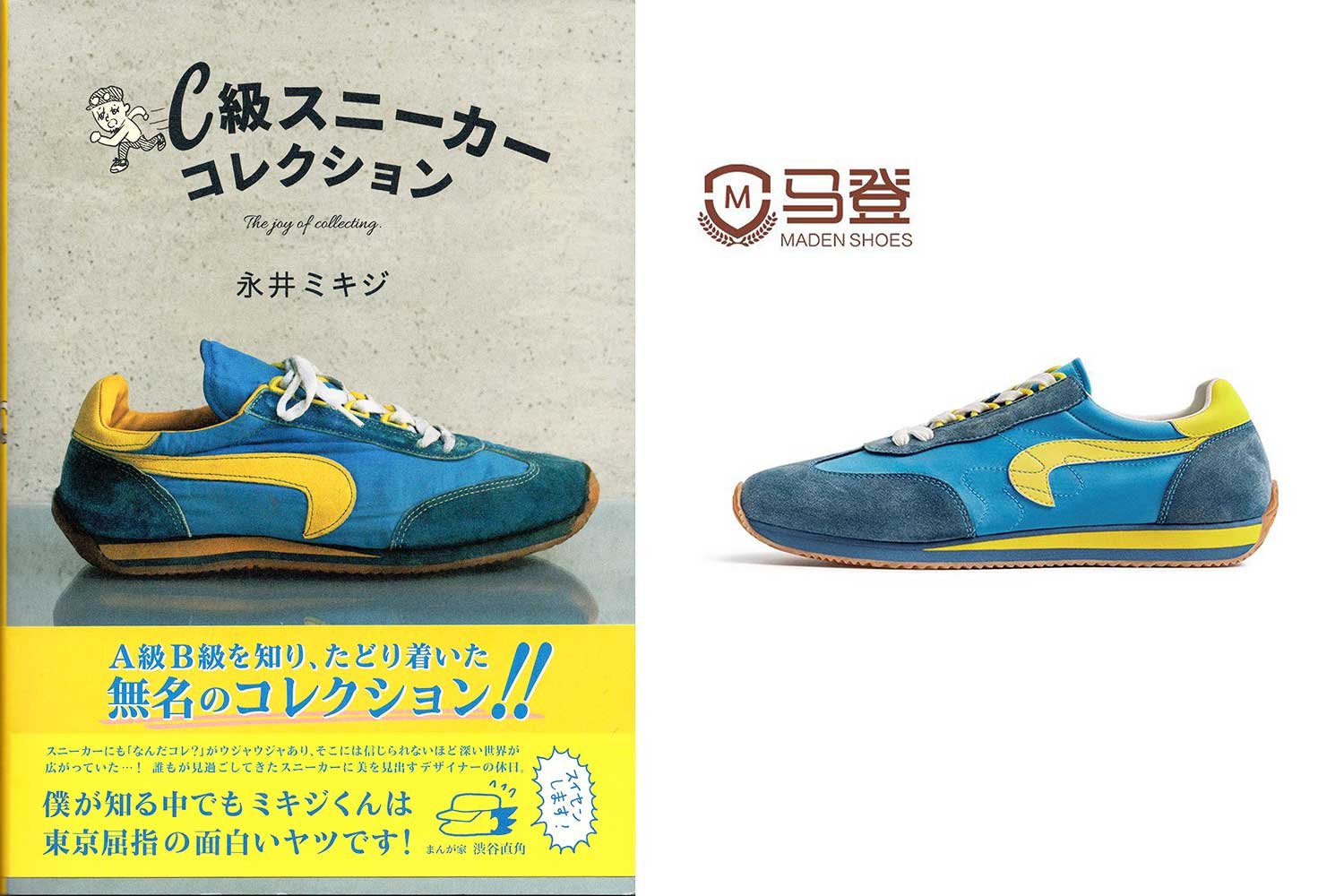
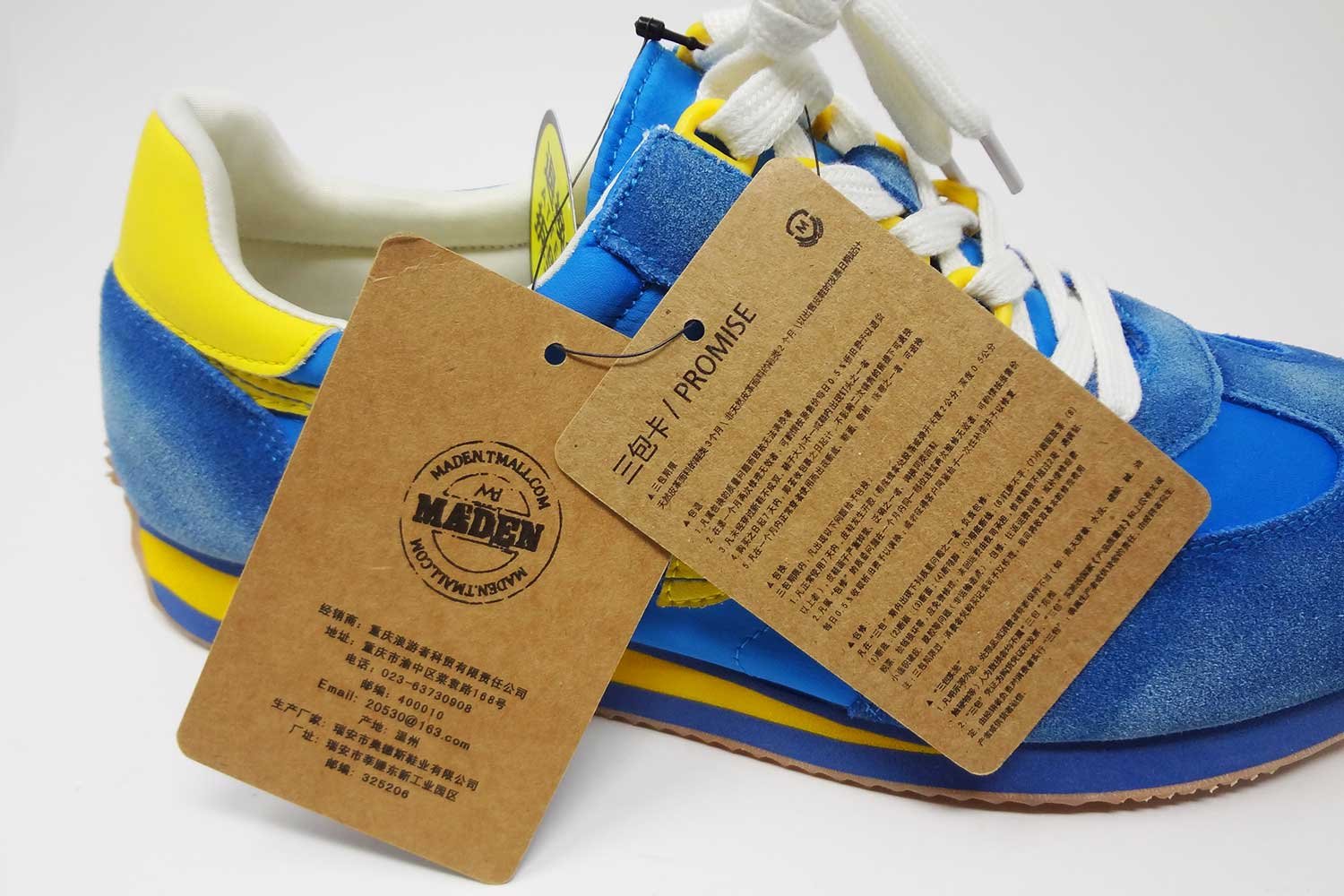
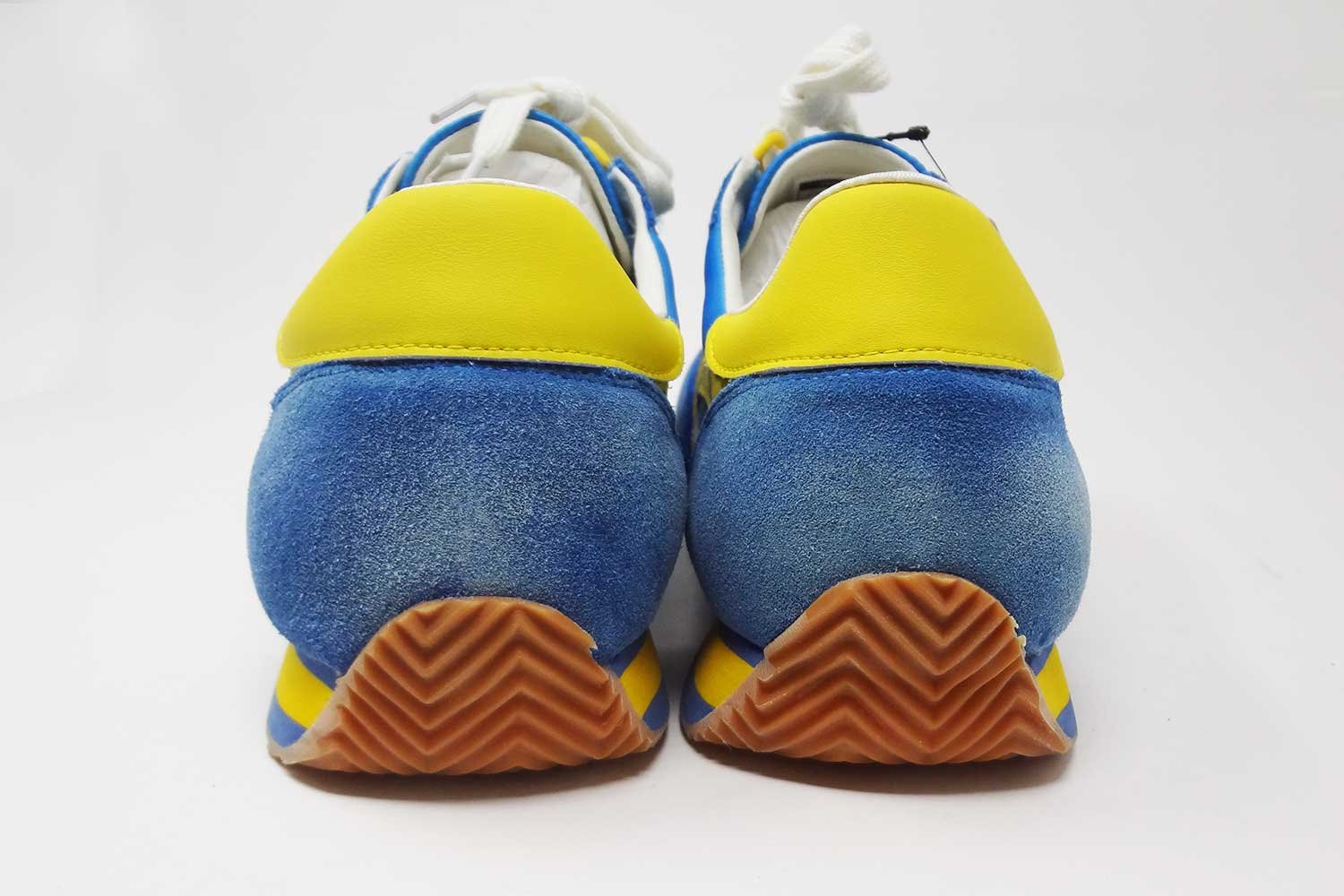
Raff’s vintage sneakers compared with Maden ‘Fake Series’ retro upside down swoosh sneakers.

Here at the Deffest blog we’re all about a groundbreaking post and we think this might be a new milestone in sneaker history - the first time we’ve ever seen a bootleg of a bootleg. This post was brought to you by the power of Google’s Lens tool. We recently picked up and reviewed the vintage sneaker book by Mikiji Nagai’s called C-Class sneaker collection. The joy of collecting.’ While we were researching that book we used Google Lens to find more information on it we came across this link to a brand called ‘Maden Wear’ series of sneakers called the ‘Fake Series’ and donning another upside down Nike swoosh. See photos below:

As best as we can tell what happened here is that a factory purchased the Mikiji Nagai book then went rogue and began making knock offs of the sneakers in the book, shockingly including a copy of Raff’s brand 1970’s upside down swoosh Nike bootleg. There is no tongue or heel label on these shoes outside of the footbed which says Maden C-CLASS sneaker. Just to be clear we are not promoting these sneakers but merely reporting on it. The sneakers in the photos above are low quality construction and an overall poor design. We’d much rather have the OG Raff’s or some proper 1970’s old school Nike runners. One last note - we reached out to Mikiji Nagai for a comment but did not hear back.

Deffest Book Club: Mikiji Nagai's 'C-Class sneaker collection. The joy of collecting.'

Today we’re looking at the excellent Japanese sneaker collector book ‘‘C-Class sneaker collection. The joy of collecting” by Mikiji Nagai. We picked up this book because we’ve been continuing to research the strange case of the vintage Kinney NBA Le Village upside down swoosh sneakers to either confirm or disprove that they may have been manufactured by Nike. We’re still digging into that post and will hopefully have some kind of update down the line. This C-Class sneaker collecting book was published by Graphic-sha in 2021 and features 160 pages of 1970s and 80s deep cuts from the vintage sneaker market in Japan.

C-Class sneaker collection. The joy of collecting. Vintage sneaker book by Mikiji Nagai. Published by Graphic-Sha.

Cobra, Osaga, Jets and Cedar Crest 1970s and 80s vintage sneakers. Image credit: Mikiji Nagai. Published by Graphic-Sha.

The book features some great photos of vintage runners and and other old school sneakers from a long list of brands including Airwalk, Asahi, Asics, Avia, Baliston, Bata, Bauer, Bravas, Brooks, Butting, Buster Brown, Cedar Crest, Cobra, Etonic, Jets, Jox, Kaepa, Karhu, KangaROOS, Keds, K-Swiss, Mizuno, Moonstar, Osaga, Romika, Saucony, Spot-Bilt, Vans, Wilson and more. The upside down swoosh sneakers on the cover were made by a brand call Raff’s shoes.

Raff’s brand 1970’s / 80’s upside down swoosh bootleg Nike sneakers.

If anyone is in the market for a holiday gift for the sneakerhead in your life this would be a cool item to give and we’ve included the book information below:

Author: Mikiji Nagai

Title: ‘C-Class sneaker collection’

ISBN: 978-4-7661-3489-6

Publisher: Graphic-sha

We’ll be posting articles a couple of more articles that reference this book over the next couple of days so stay tuned.

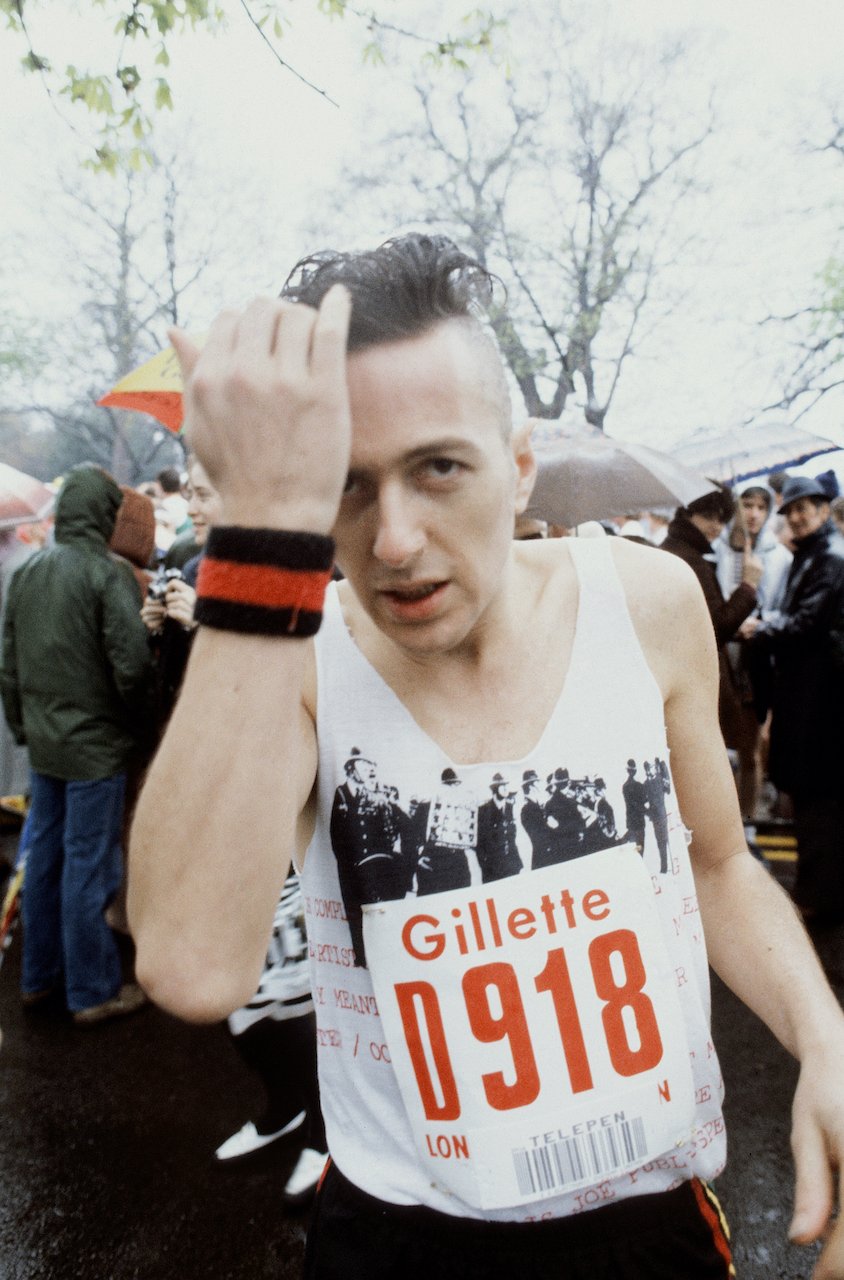
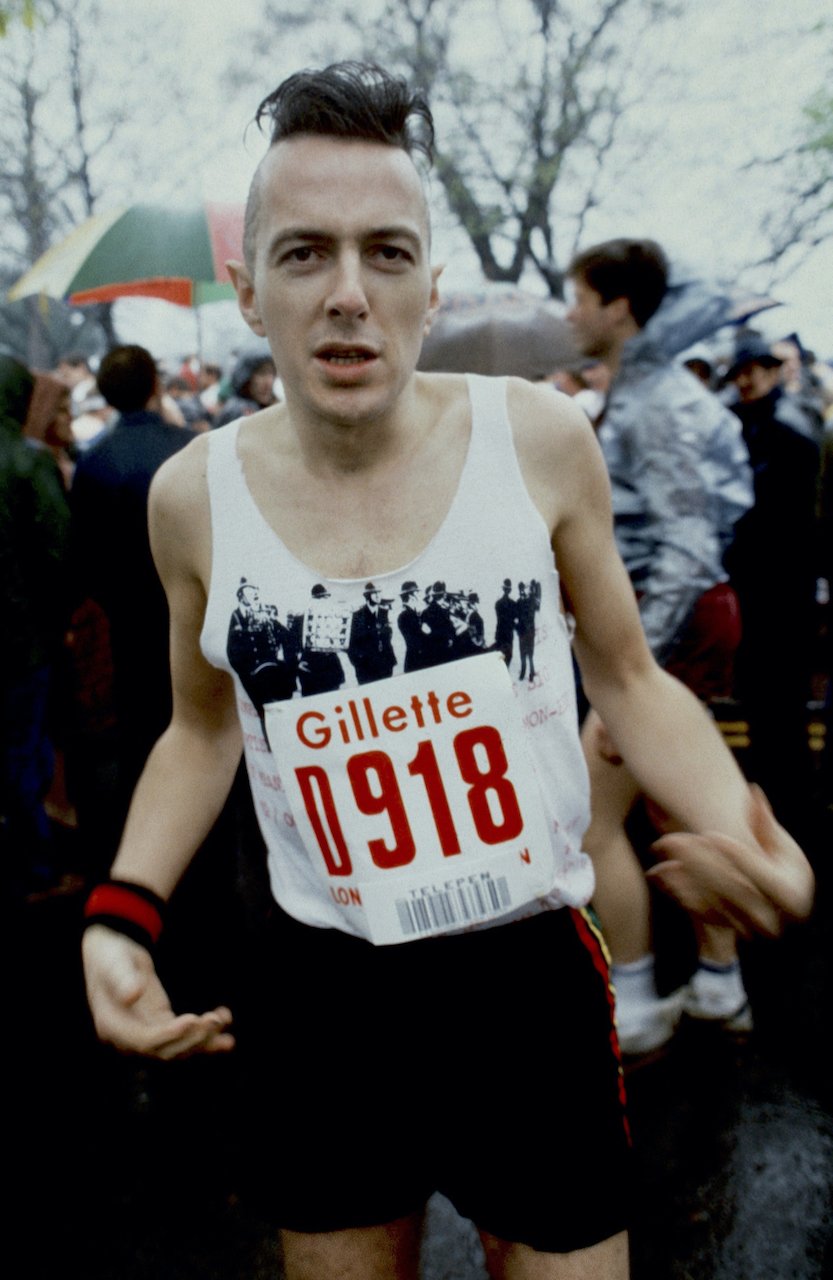
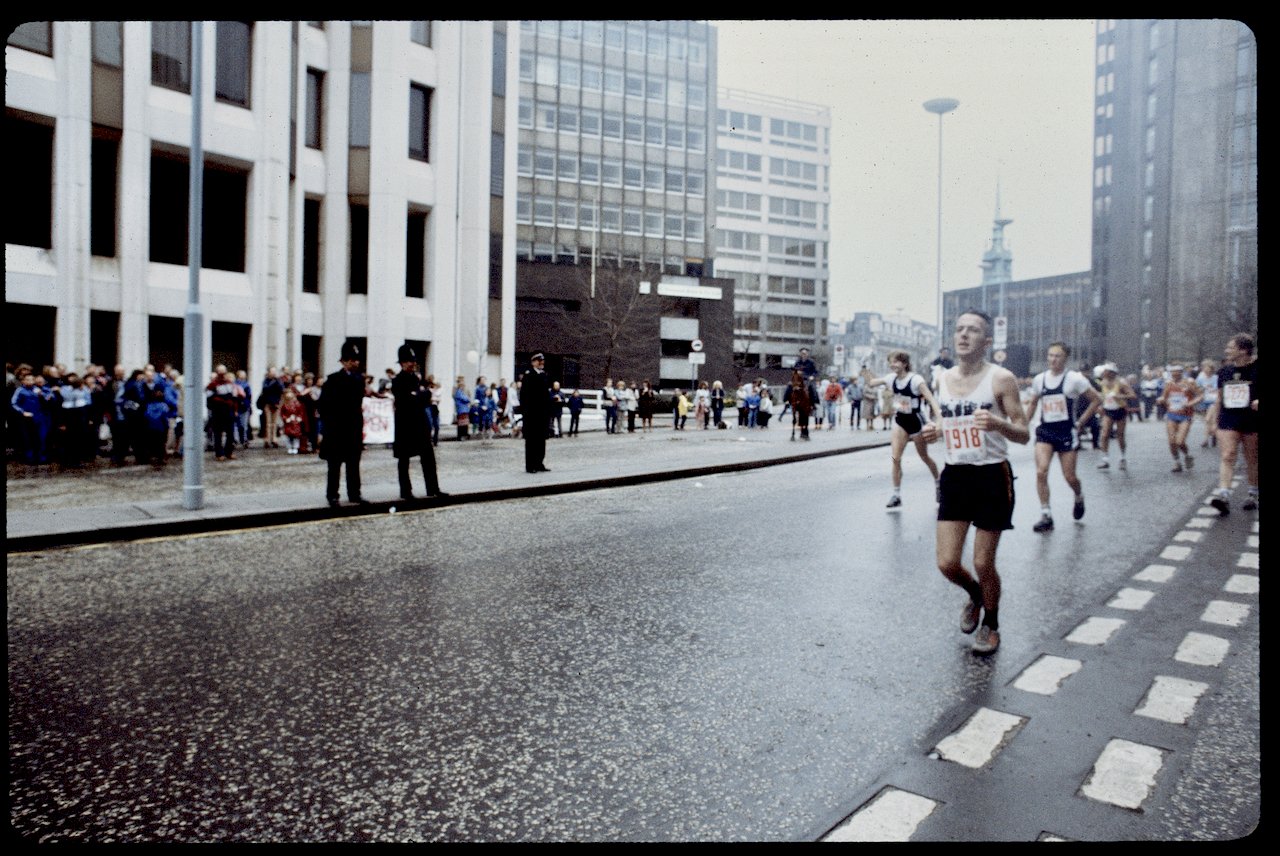
Part time punks: Joe Strummer London marathon photos by photographer Steve Rapport

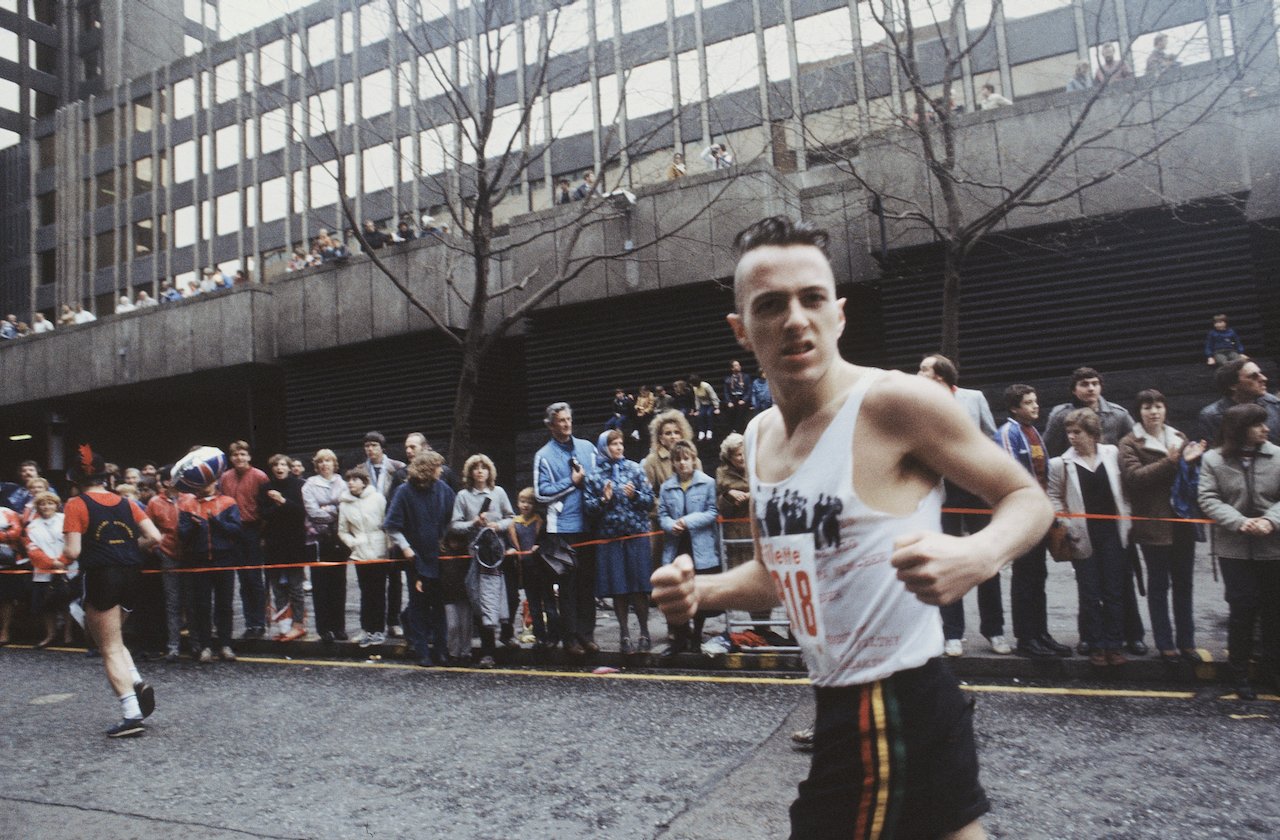
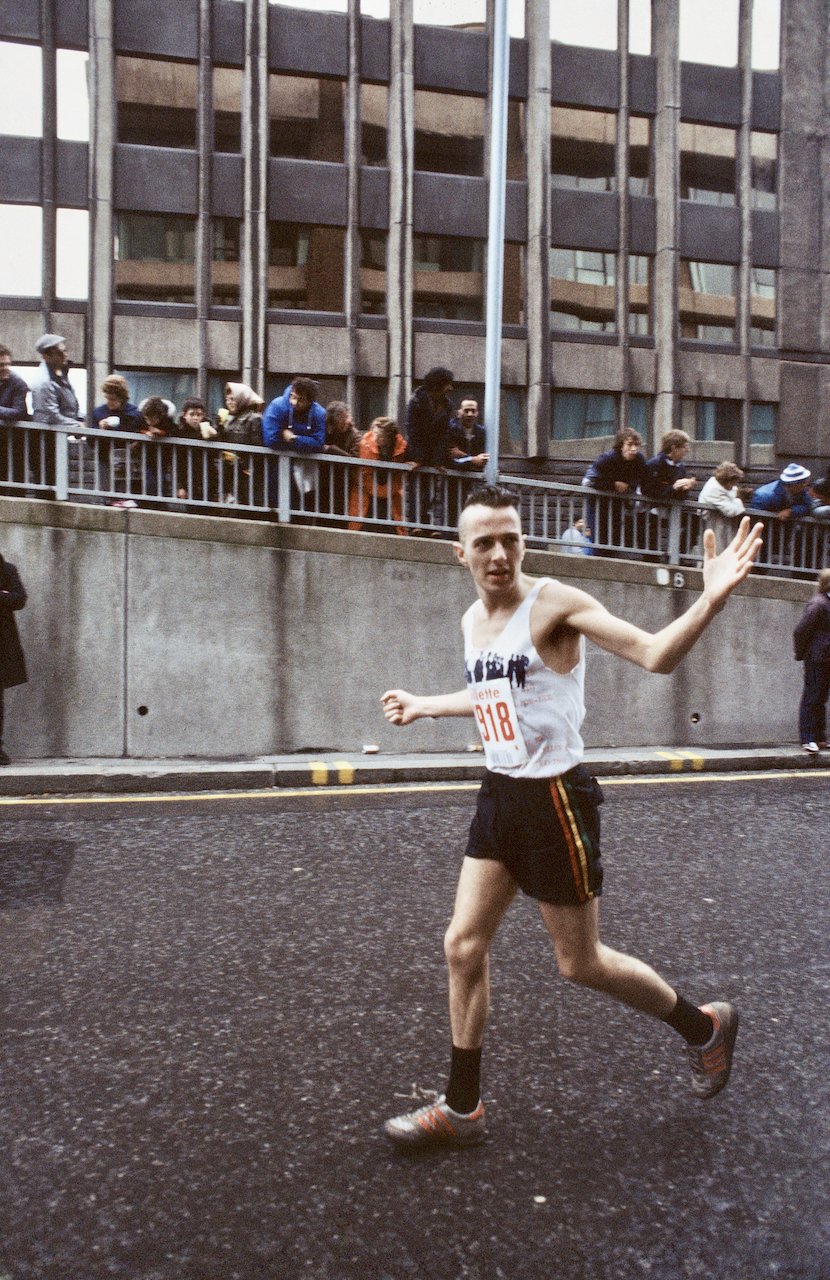
Coming back from a little summertime hiatus today to post a Happy Birthday tribute to one of our favorite punk rockers ever. The legendary singer of The Clash Joe Strummer would have been 70 years old today. The man once drank 10 pints of beer and didn’t run a single step of training for the month leading up to the Paris Marathon! 🍺🏃‍♂️

These London Marathon images are from 1983 and were taken by the excellent rock n’ roll photographer Steve Rapport. Special thanks to Steve for permission to post these. The photos with the adidas sneakers are a little unclear but if you know what model they were hit us up on the contact page. RIP Joe Strummer.

Joe Strummer London Marathon 1983 images above by Steve Rapport.

Athletic Interest: Youtube's Greatest Channel covers Nike's Greatest Bootleg

Putting up a quick post to let you know that the excellent YouTube Channel Athletic Interest picked up the wild Nike ‘One Line’ bootleg story and made an awesome video out of if it. For those of you who do now know about Athletic Interest it is a great YouTube channel that covers interesting stories at the intersection of Sports and Business. We have spent hours watching these videos and are huge fans. If you like this channel please make sure to like and subscribe. Special thanks to Fabian for the effort!

The ‘One Line’ sneakers are currently up for sale via auction until April 20th over at Heritage Auctions if you want to buy them.

Internet Legends: Harput's Sneaker Shop in San Francisco and Oakland

We love old school sneakers and old school hip hop. During our travels across the web we came across these masterpiece commercials for Harput’s up in Oakland and thought y’all would appreciate them.

Here’s another one….

Harput’s was founded by Turk Harput and we’ve included the full history from Robin J. Moody’s Portland Business Journal article ‘Vintage sneaker showcase’ from Jun 26, 2003.

Vintage sneaker showcase
Collectors covet long-ago models from top athletic shoemakers

By Robin J. Moody of The Portland Business Journal
Jun 26, 2003

It all started when Turk Harput was cruising a flea market in Oakland, Calif., in 1978 and spotted 1,000 pairs of discontinued sneakers.

He traded his '74 Volvo for the entire stock and began hawking the shoes--some dating from the '40s--from the back of his VW bus. Most sold for $5 or $10.

Today Harput's, the store that bears his name, is a purveyor of rare and retro sneakers that enjoys a special partnership with Adidas and caters to "sneaker heads" or rare shoe collectors.

It has a thriving web-based business, in addition to a shop in the Fillmore district of San Francisco. Turk Harput's son Gus Harput opened a shop in Portland at 139 N.W. Second Ave. in December 2002. It remains a family-owned business.

Ken Thornby, director of sports heritage for Adidas America, called Harput's one of the company's "trend accounts," that gets dibbs on Adidas' most exclusive product.

"We have had a working relationship with Harput's since the '70s. We share ideas and when there are sneaker shows in town we sometimes go together," Thornby said.

Sales of so-called retro shoes grew 11.4 percent in 2002, according to the trade group Sporting Goods Manufacturers Association. Harput's has made a name for itself selling these clean, old-school styles.

The Harput family has taken the unusual step of putting select shoes into storage. They take them out--sometimes decades later--to sell. This strategy has helped the company find a niche and stay in business in a market dominated by national chains.

"We had to specialize and offer what the chains could not," said Gus Harput. "We cut down our buying of shoes to those that were deemed classic and original and left the athletic performance stuff completely. We pulled this off at first with our extensive supply of 'dead-stock' shoes, put away for years in our San Francisco basement."

At the same time, manufacturers like Adidas began offering more retro models, distributing many lines of exclusive and limited edition product to shoe boutiques. The strategy has helped build a customer base for a whole new market segment--the sneaker collector, according to Gus Harput.

"[Adidas was] right at the beginning of reshaping sneaker tastes and reintroducing the retro products customers wanted," Harput said.

At the Portland shop, a few pairs of true vintage shoes are for sale in addition to dozens of re-released originals from Nike, Adidas, Puma and even New Balance.

A pair of original Adidas Chile '62s is priced at $160, and a pair of 1982 Nike Air Flights costs $200. A pair of Adidas designer Yohji Yamamoto's knee-high, neoprene, fashion-statement boots is priced at $400. A call to Nike was not returned by press time.

Owner Gus Harput has an extensive personal collection of rare shoes--many of which are on display at the Old Town store. One particularly rare Adidas shoe on display, made of ostrich skin, is reputed to be worth $10,000.

Part of the lore of Harput's is its online Harput's Vault, which sells rare and sought-after shoes, typically for $1,000. This week, Adidas Universal Kangaroos, made in West Germany, and the French-made Adidas Tobacco, were among the featured shoes for sale.

"With Adidas, the highly valuable shoes are those manufactured in France, Yugoslavia and West Germany because the company hasn't made sneakers there in 15 years," explained footwear culture consultant and sneaker collector Chris Hall.

Hall added there are a limited number of hard-core sneaker collectors, but more people who will pay high prices for remakes.

"There is a small handful across the world--perhaps 100--who will pay top dollar for vintage sneakers. There are more that would pay $700 for a remake that came out this year," said Hall, who also writes a column on footwear called Kickin' It for Mass Appeal magazine.

A good portion of sneaker heads are Asian males ages 13 to 35, Hall said. Hipsters and baby boomers are also fans, Harput said. Retro shoes are worn by people seeking fashion over function.

"For some it is reminiscing their youth through Adidas trainers they wore as kids, or trainers they wish they'd worn as kids. ... For others it's their devotion to the mighty athletes or teams that donned the three stripes on the winners' podium," Harput said in a recent inter-view with the online publication Propertop.com.

Adidas spokesman Thornby said core consumers for retro shoes are ages 14 to 24. There are also men in their 30s who grew up during the sneaker boom and are nostalgic for the shoes they wore during their youth.

"These are sneaker junkies who spend the money to seek out expensive shoes. They are on top of fashion and art," Thornby said, and some even have photo albums of their collections.

But fickle consumer tastes could mean retro styles go the way of Day-Glo.

"I'm always concerned about changing tastes," Thornby said. "A lot of people thought it would be over by now, but sales are still strong. These are clean, comfortable products people connect with."

Gus Harput predicts sales will hold steady in the coming months, "but I don't see things bullish," he added.

Harput's Portland store is open from noon to 7 p.m. daily.

Complex Sneakers: How Nike Bootlegged Its Own Sneakers

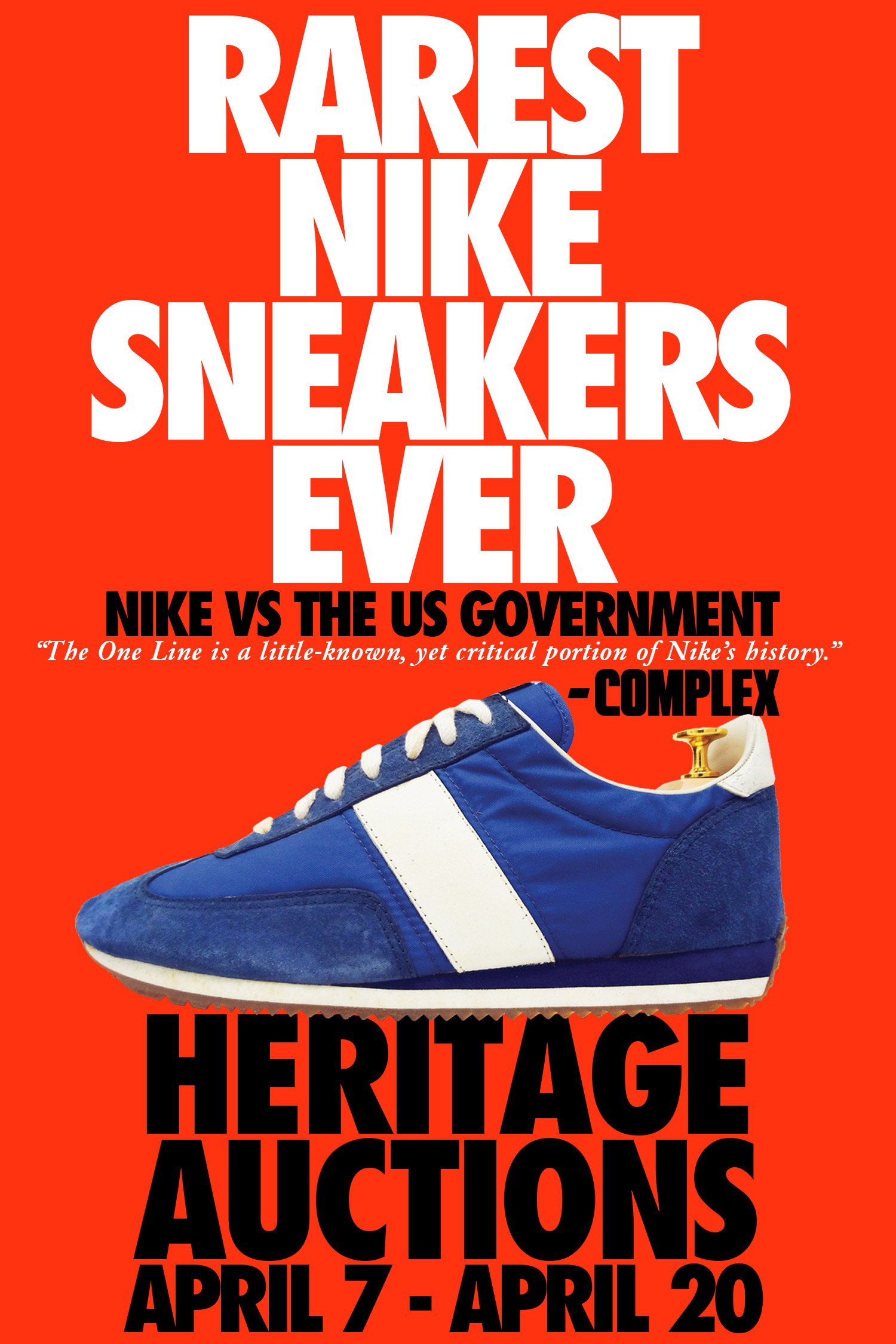
MARCH 2022 UPDATE: These Nike ‘One Line’ shoes will be posted for sale by auction with Heritage Auctions between April 7 - April 20, 2022. Please check the Heritage Auctions website at HA.com if you are interested in buying them.

Putting up a quick post to give a shout out to the team over at Complex sneakers for covering the ultra rare Nike ‘One Line’ sneakers. If you have time you should check out the article ‘How Nike Bootlegged Its Own Sneakers’ by Tim Newcomb at the Complex website.

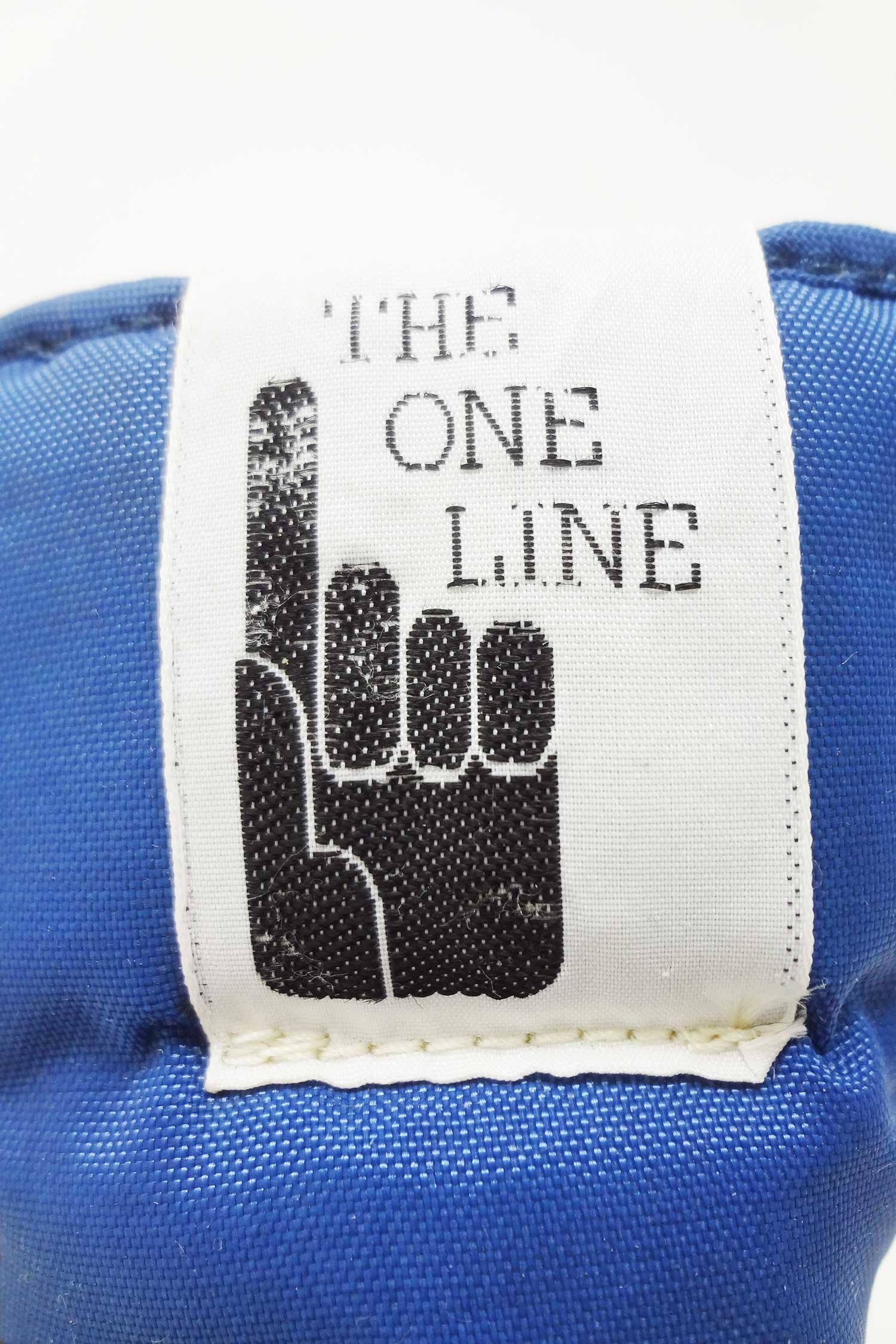
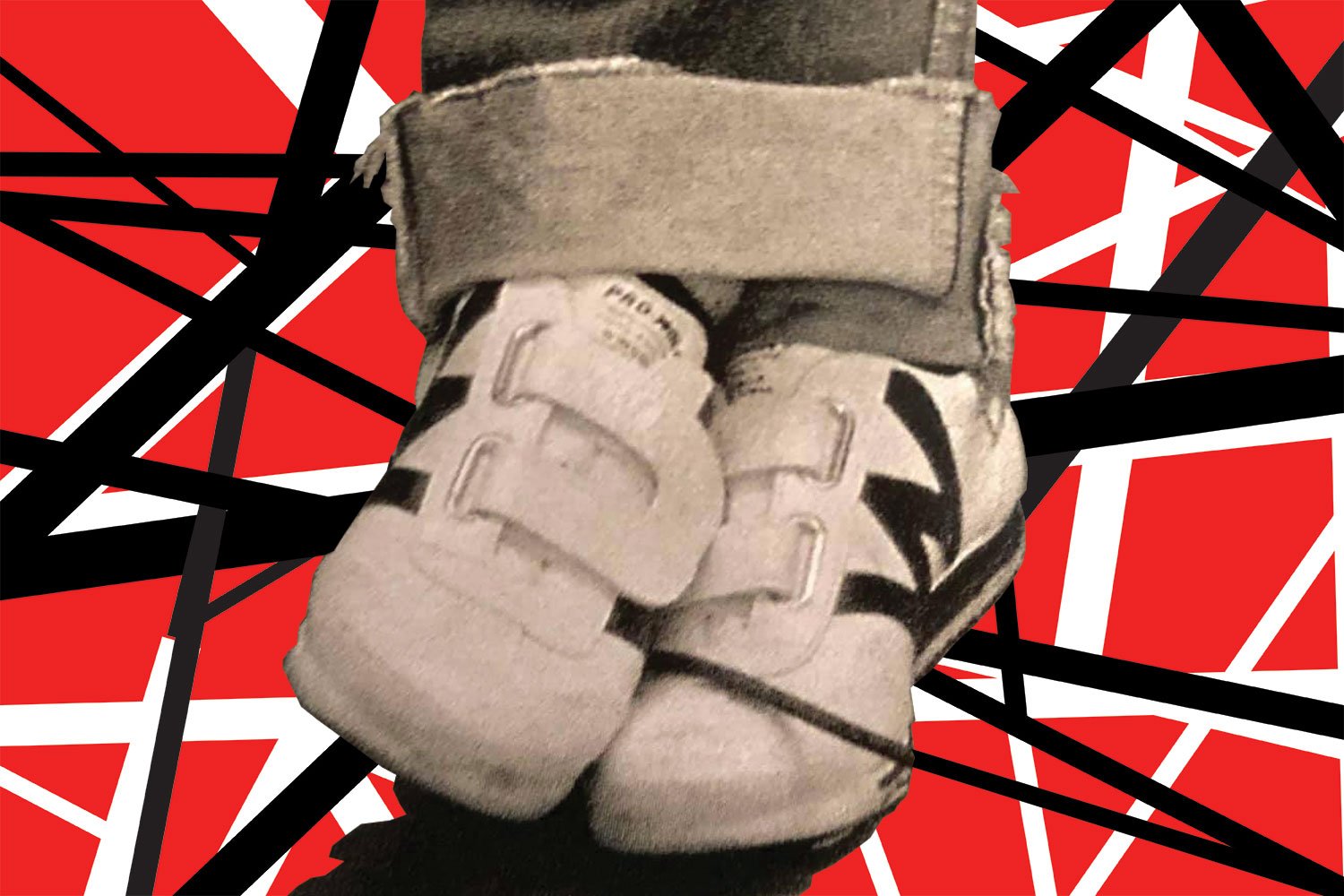
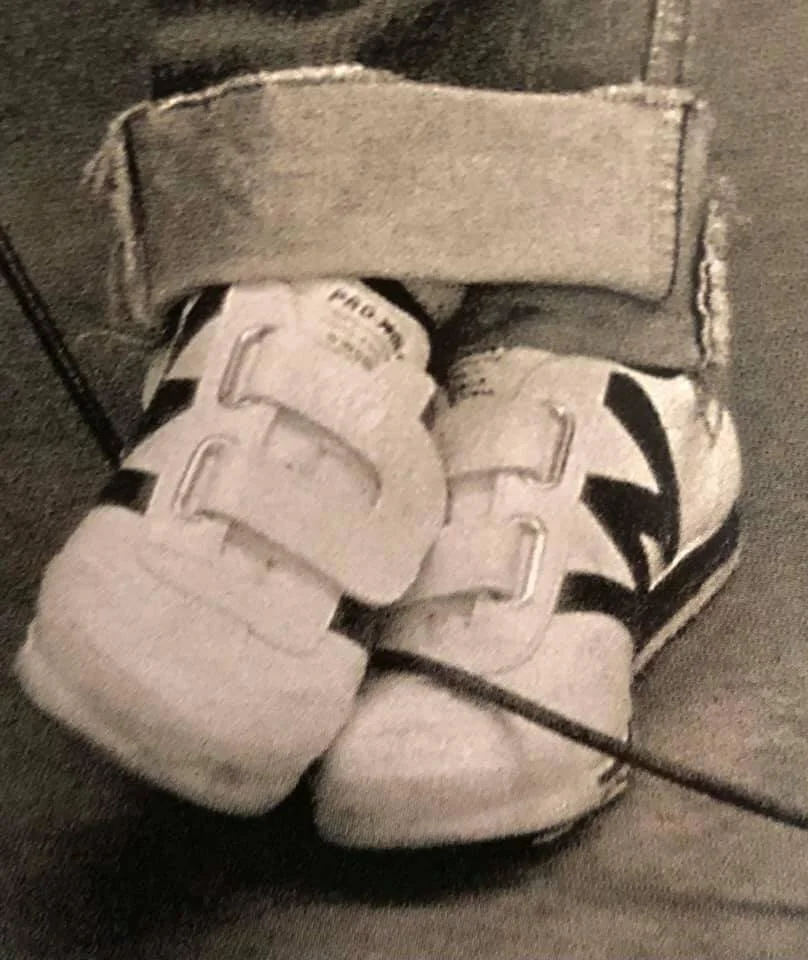
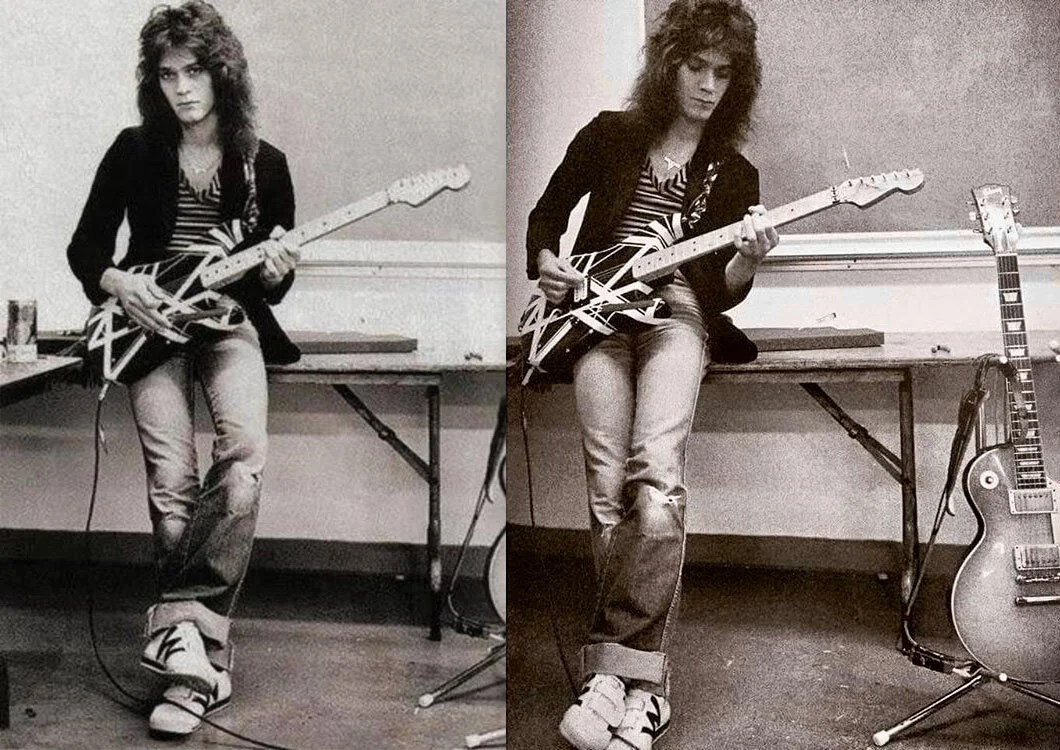
For more on the history of the obscure Nike ‘One Line’ brand you can check out our blog post ‘The Rarest Nike Shoes Ever Don't Even Have A Swoosh.’ These sneakers have an extraordinarily strange history and helped to save Nike from going out of business back in the day.

The rarest vintage Nike sneakers ever?

3/28/2022 UPDATE: These ultra rare Nike sneakers will b going up for sale by auction here at Heritage Auctions. You can read the story of the Nike ‘One Line’ shoes history here.

Please join us tomorrow morning right here at The Deffest blog for a special piece of vintage Nike history.

Authentic Brands Group Buys Reebok

We were reading today about the sale of Reebok by adidas to fashion conglomerate Authentic Brands Group. Not much to say on this one except that we hope ABG will keep the retro Reebok models alive and authentically bring back the Victory G runner. This also probably means we’ll see the comeback of the Shaq Attaq sneakers.

Reebok+Victory+G+1982+vintage sneaker ad @ The Deffest.jpg

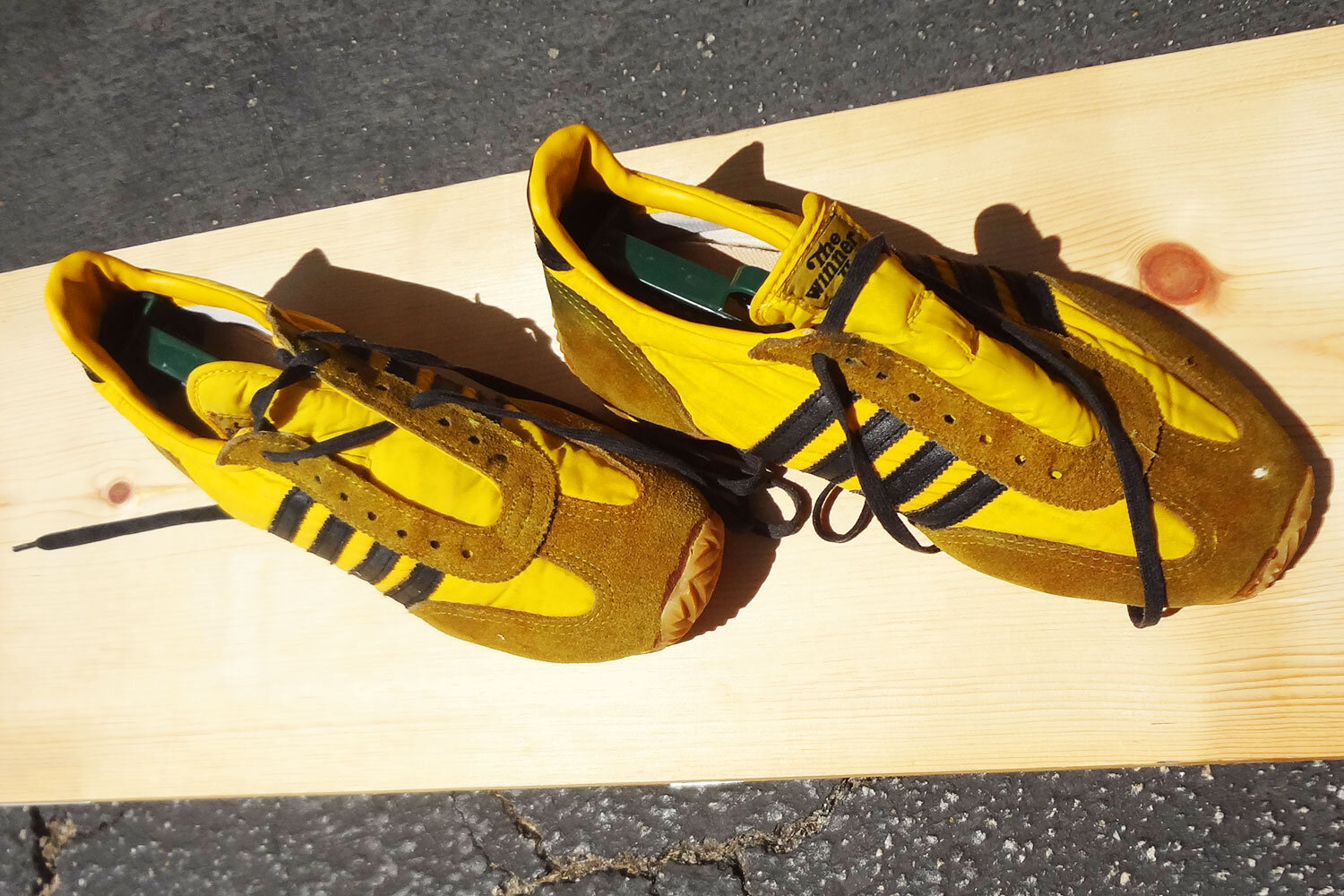
Vintage sneaker repair and restoration - Sears The Winner retro runners

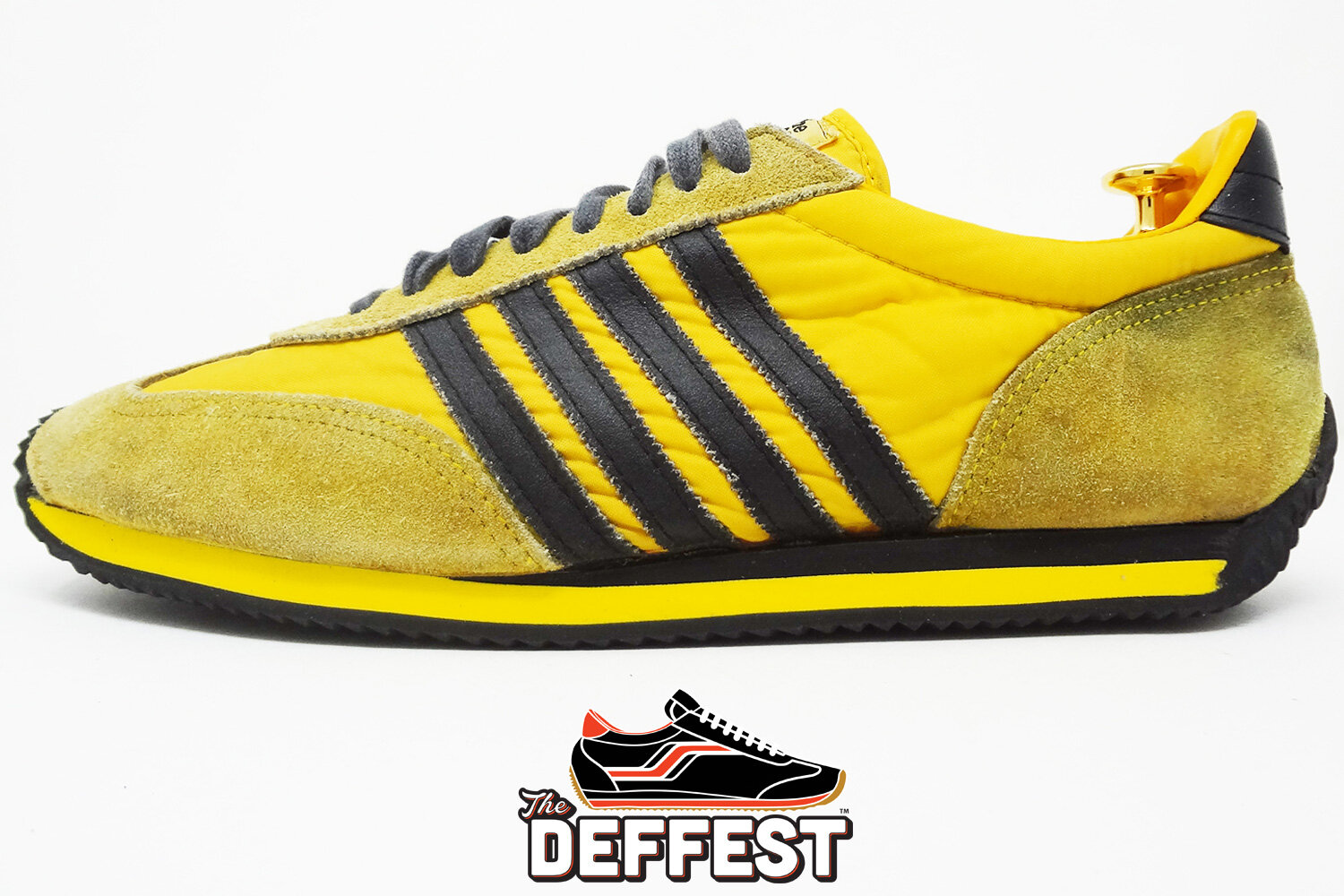
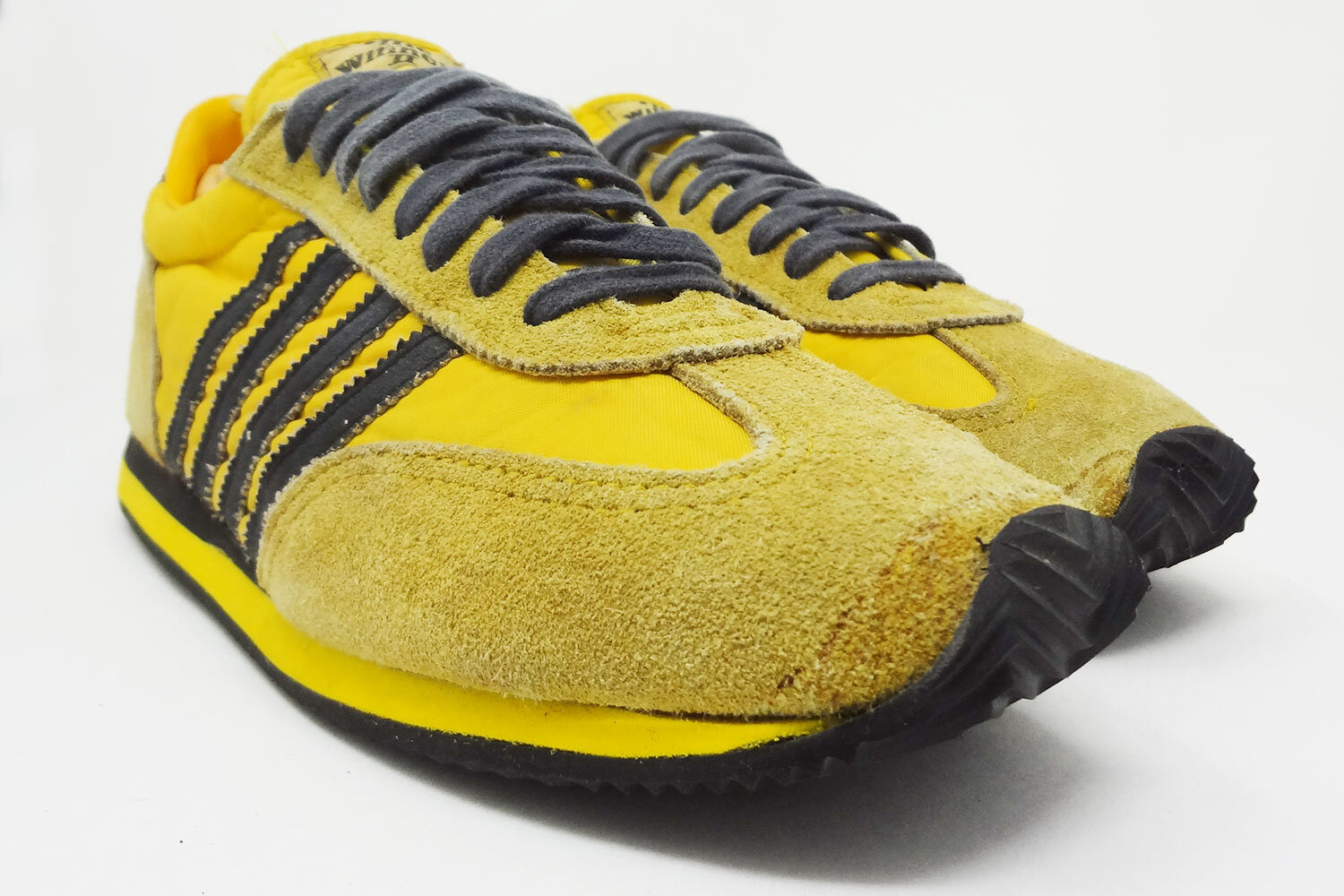
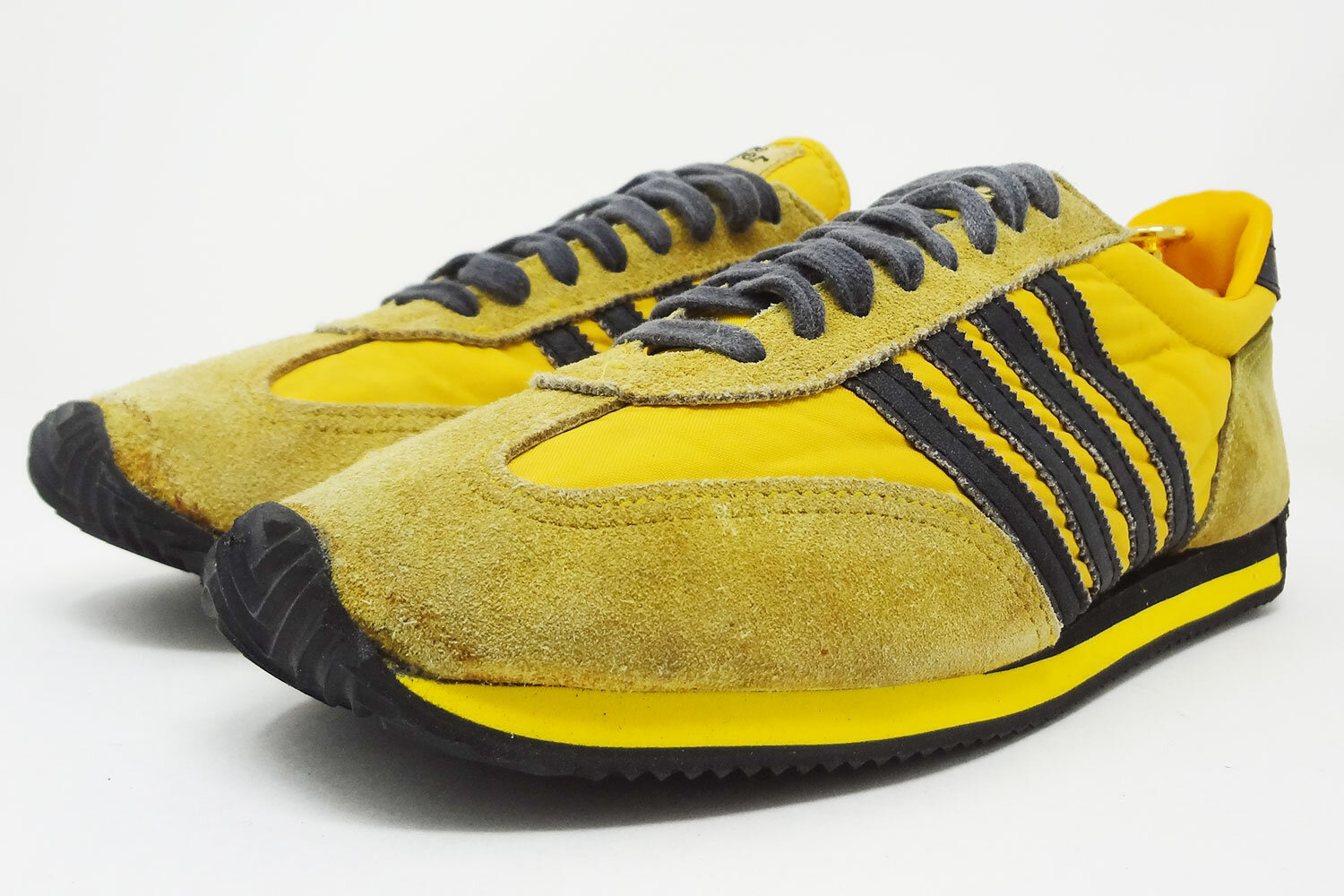
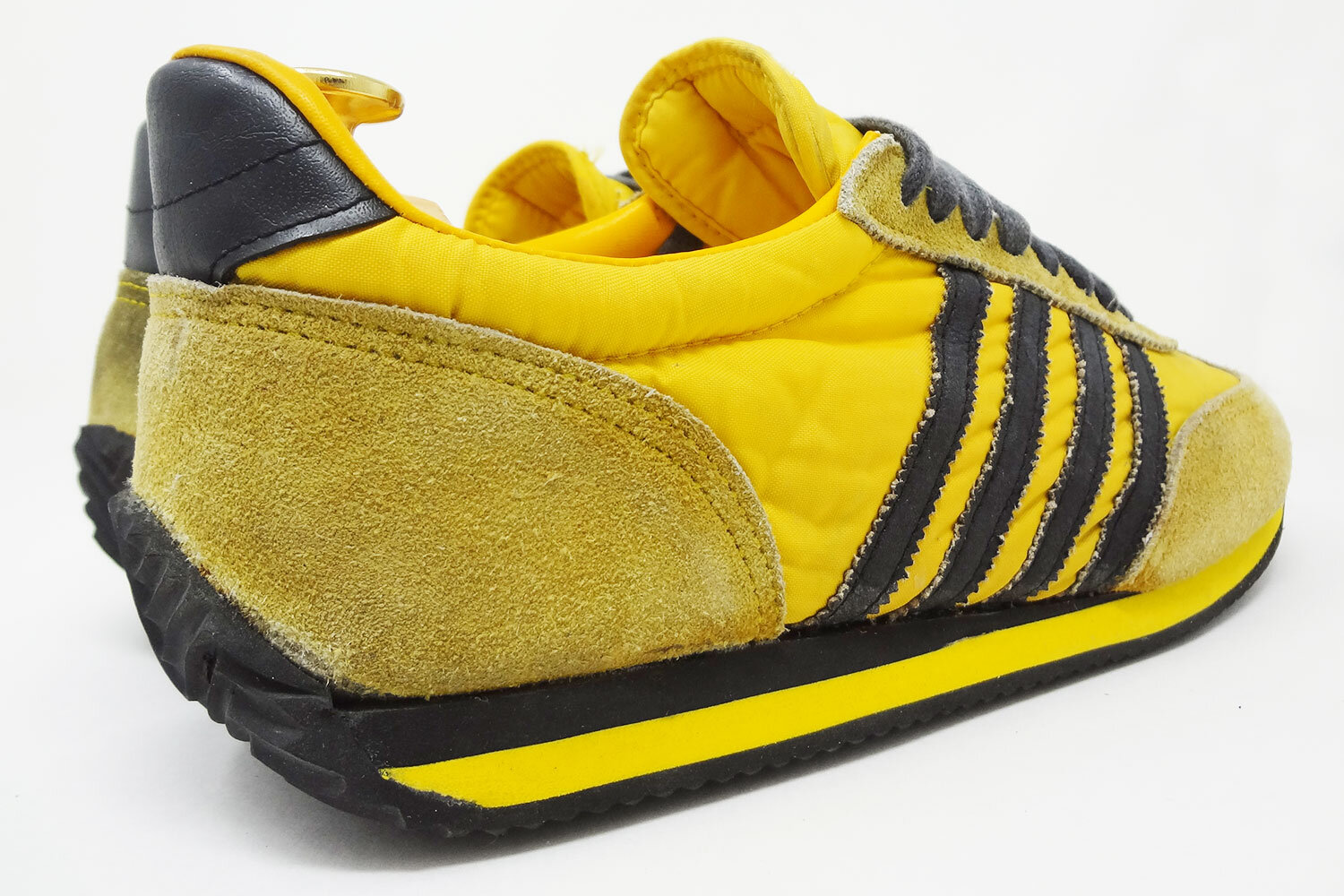
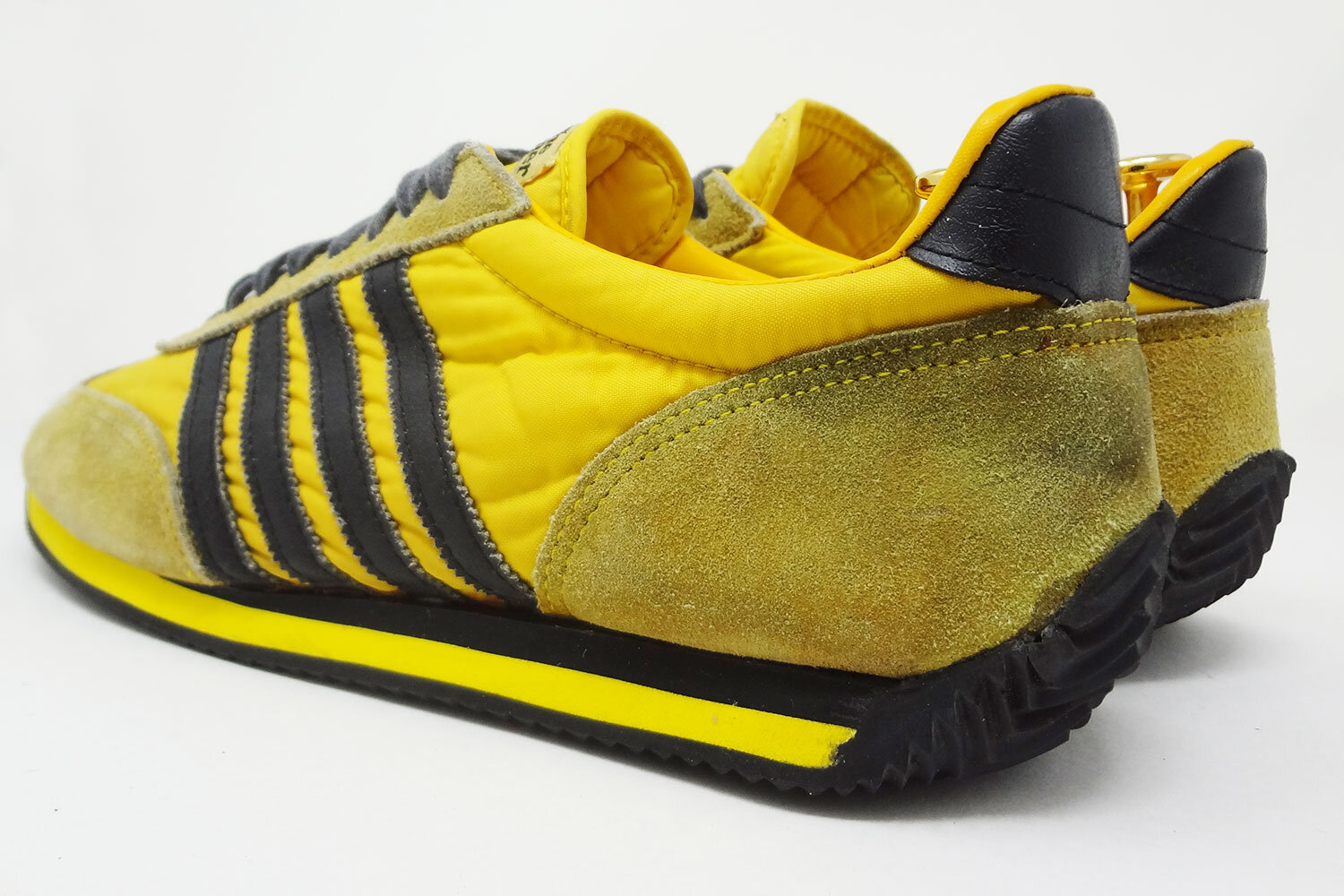
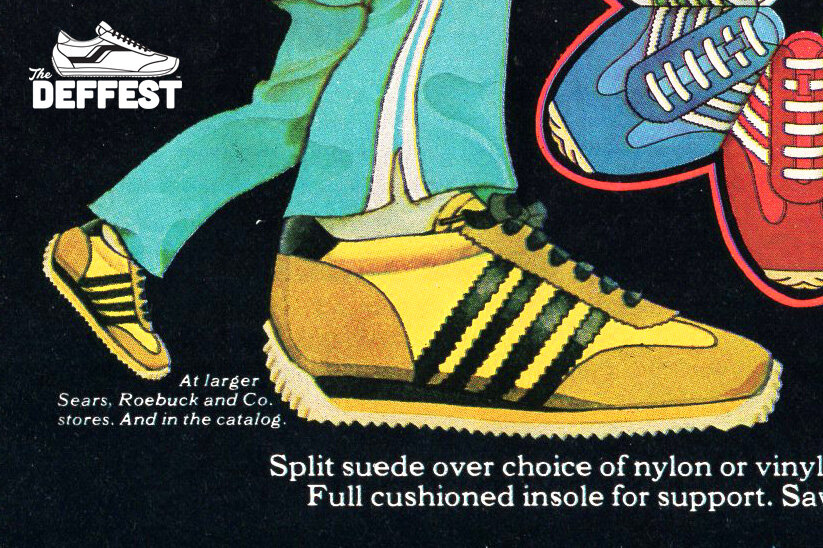
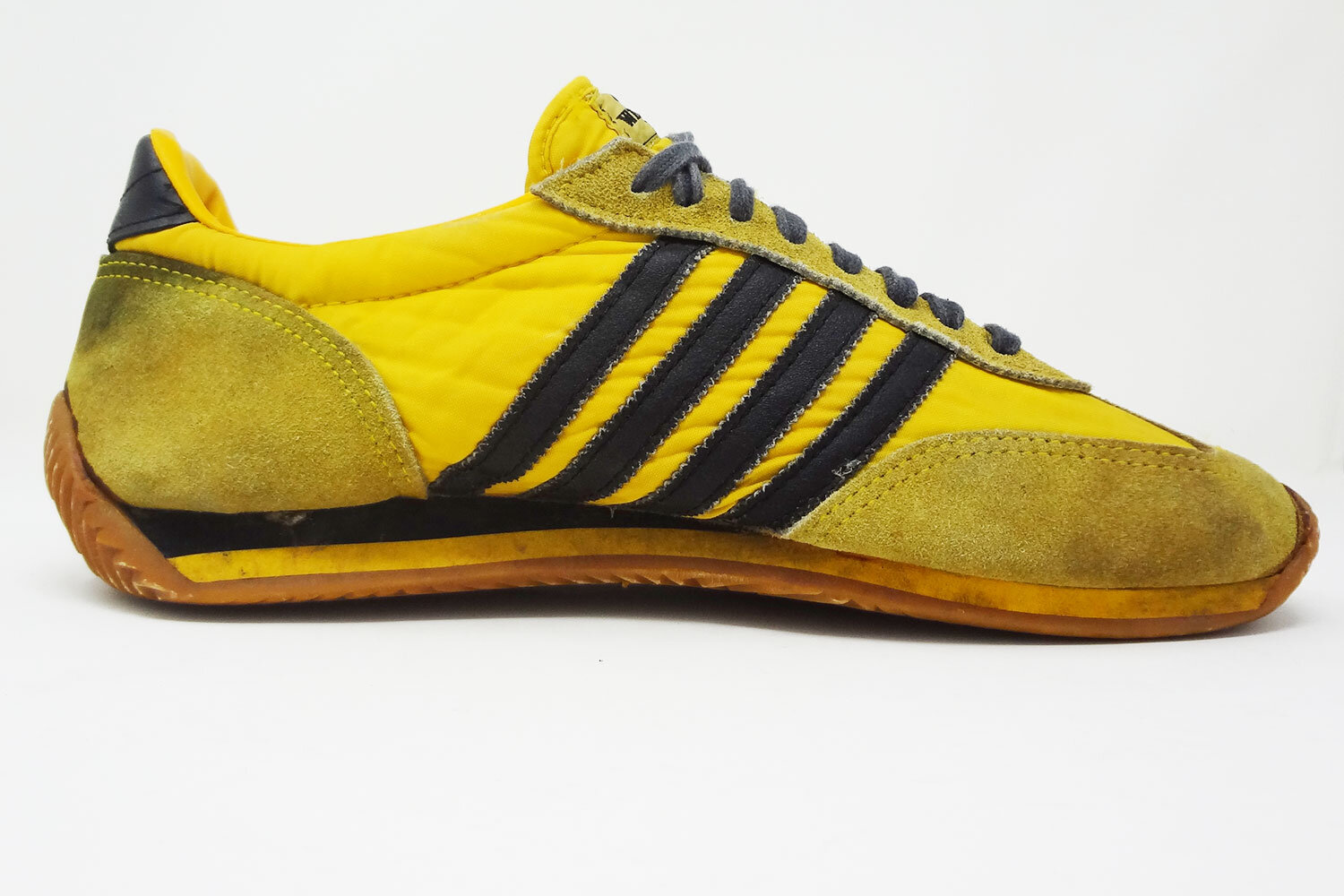
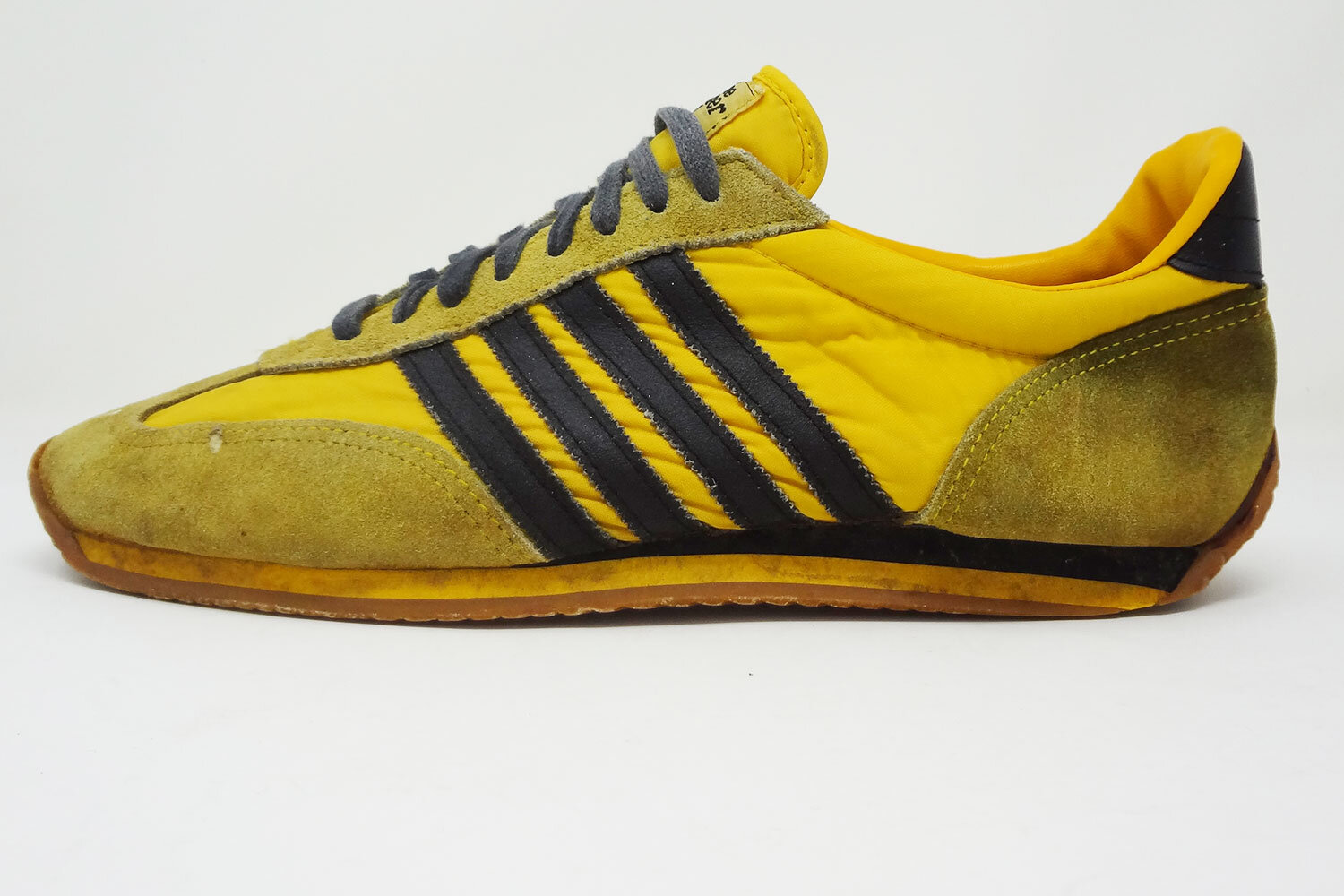
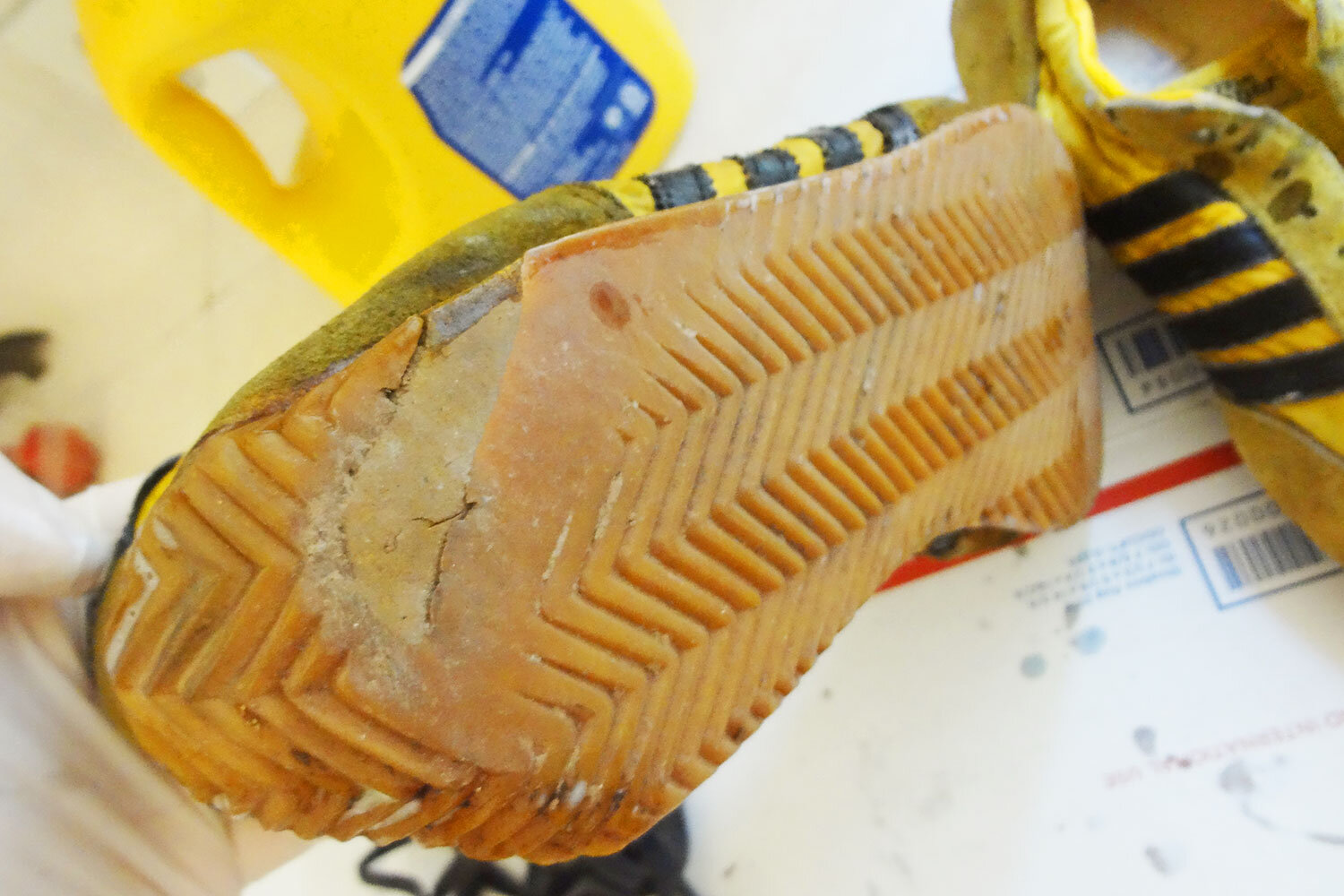
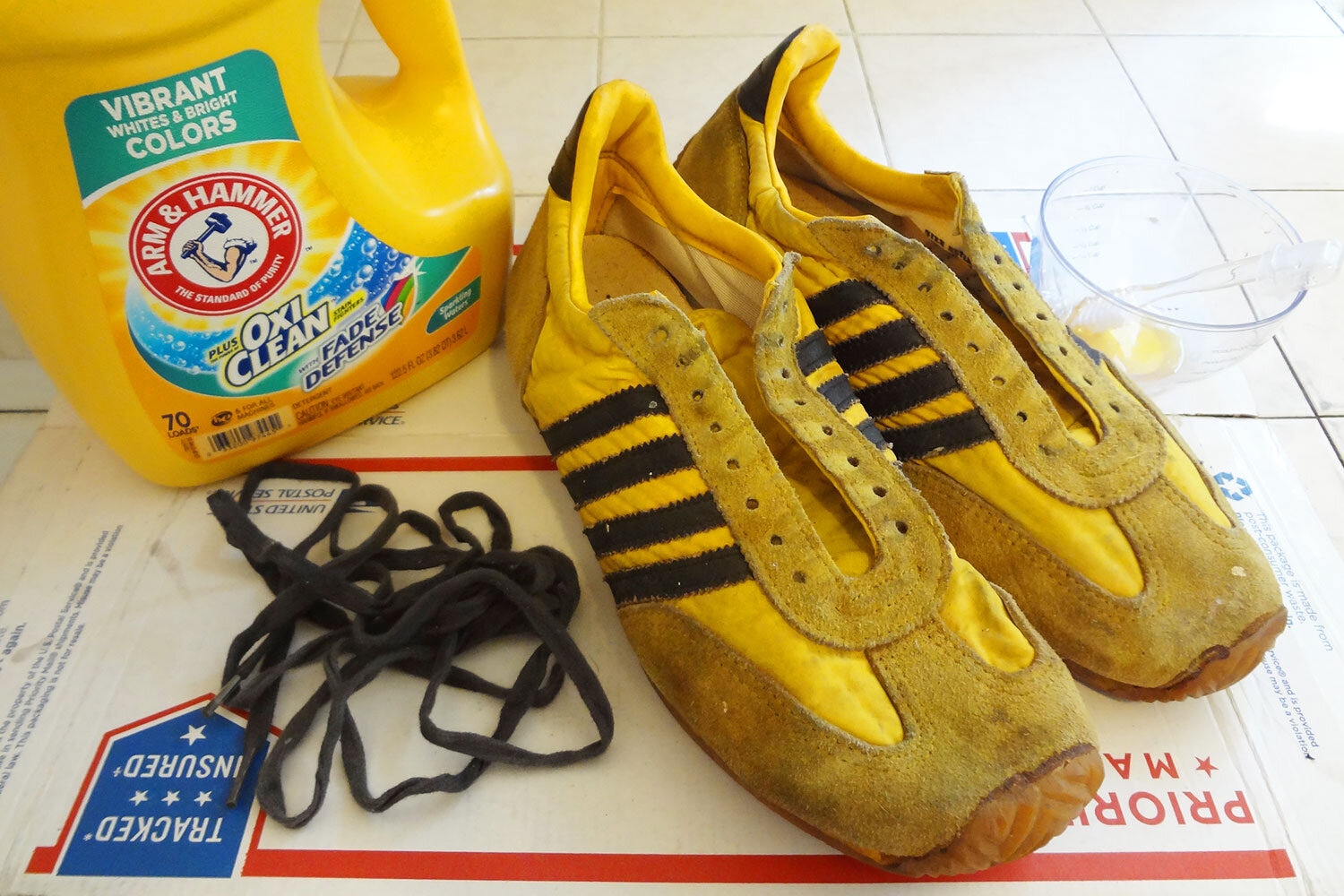
It’s been awhile since I posted a vintage sneaker repair here on the blog but today we’ve got a good one. This was a restoration project to see if I could revive these old 4 stripe yellow and black 1977 Sears The Winner retro running shoes. These sneakers were in maybe the worst condition of any vintage pair I have ever seen or owned. The soles were worn through the rubber and down to the foam, they had paint on them and were dirty as hell. It took a couple of hours of cleaning before I shipped them to our Instagram buddy and skilled cobbler craftsman @vintage_trainer_repairs68 over in the UK who fixed the worn, warped and brittle soles.

Before I post the photos of how gnarly these sneakers were here’s what they looked like after the midsole and repair. They came out great.

This is what they looked like prior to the repair. They were all jacked up with brittle, bent and warped soles. FUBAR…

The midsole had been worn all the way through the rubber. Damn.

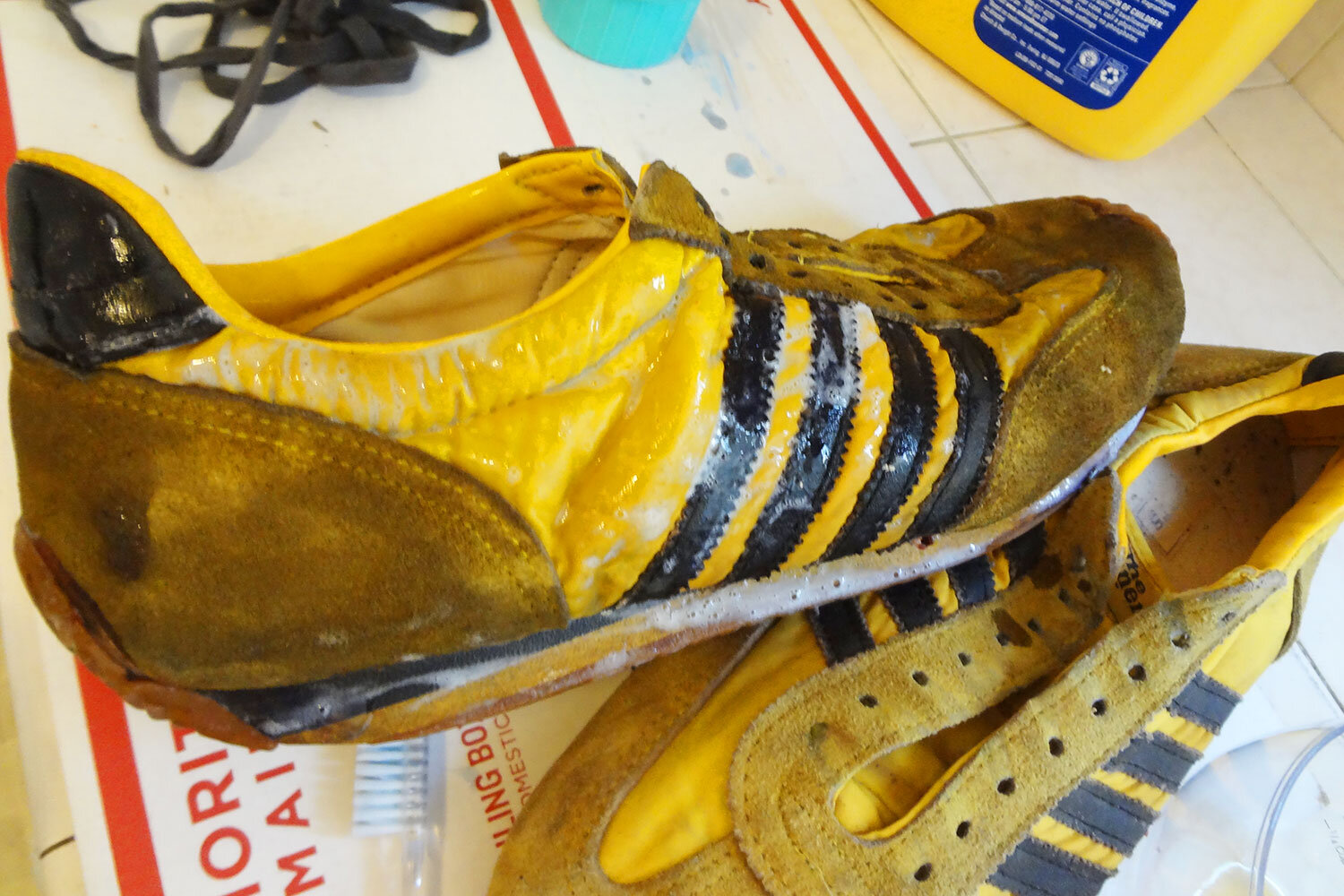
Due to the level of grime on these shoes I went hard at them with detergent using an old toothbrush to clean the nylon and suede. I don’t usually recommend doing this with vintage sneakers but this case needed the next level of cleaning so I threw them in the washer machine. (Don’t try that at home if you care about your old school sneakers. Instead I recommend taking them to Jason Markk for cleaning.)

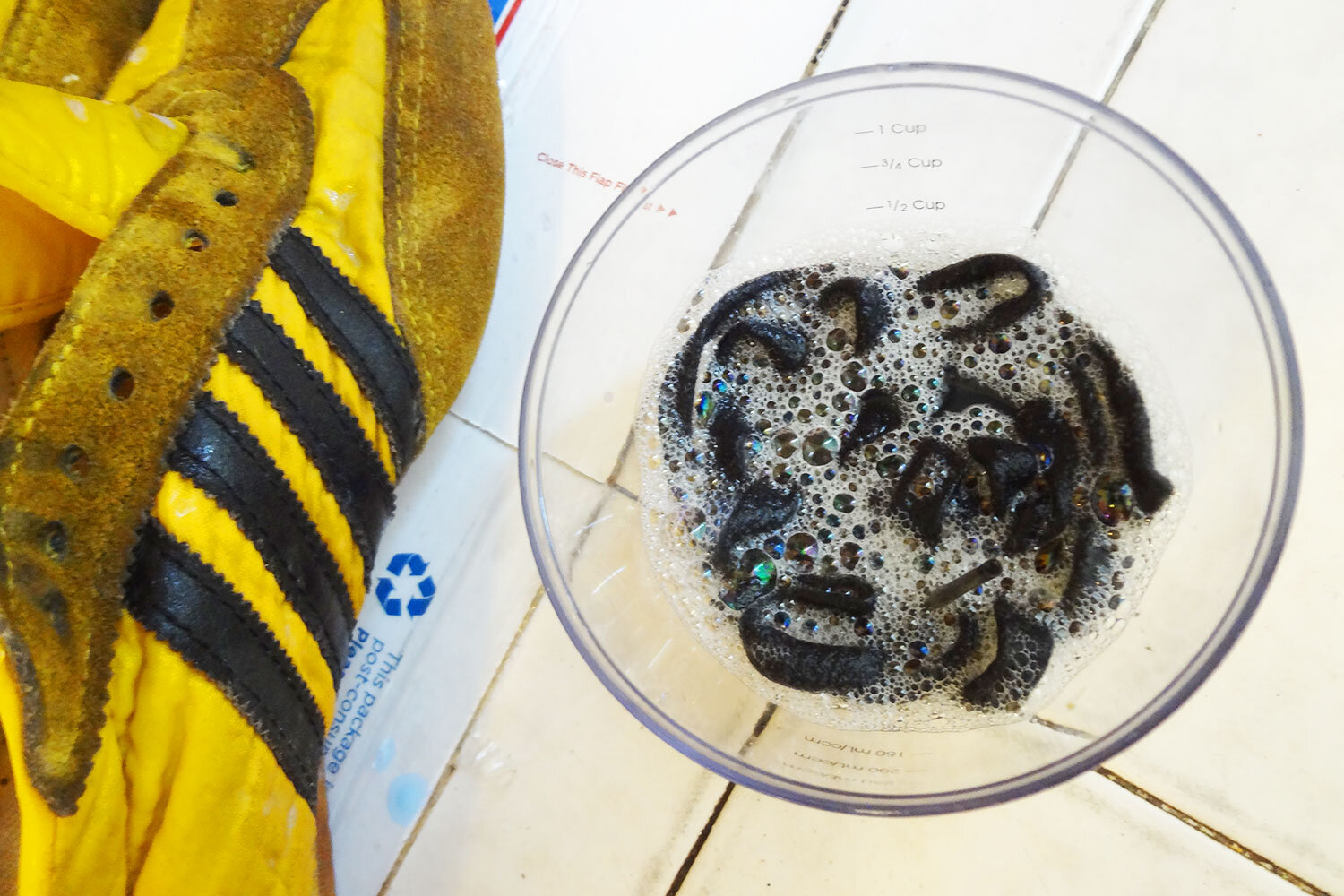
Here are some photos of the cleaning process. I removed the laces and let them soak in a mixture of water and detergent then I threw them into the washer machine with the sneakers. The washer machine removed a lot of the soot and brought out the color when they sun dried...

Here’s a before and after photo..

Before and after vintage sneaker repair @ The Deffest

If you have any pairs of vintage kicks that you want to get repaired I highly recommend checking in with @vintage_trainer_repairs68 over on Instagram. Tell him The Deffest sent you. 😎

The Sports Shoe: A History from Field to Fashion by Thomas Turner

This post is a quick shout out and plug for friend of the blog and fellow sneaker historian @thomas_a_turner. I recently picked up his book The Sports Shoe: A History from Field to Fashion off of Amazon and it is excellent. The book contains a ton of highly detailed information, some great vintage ads and covers all eras of sport shoes and sneakers throughout the decades. The book starts out in the late 1800’s Victorian era and travels through time as athletic footwear evolved for sports and fashion, including skate sneakers, hip hop and NBA Basketball. I highly recommend checking it out if anyone is interested.